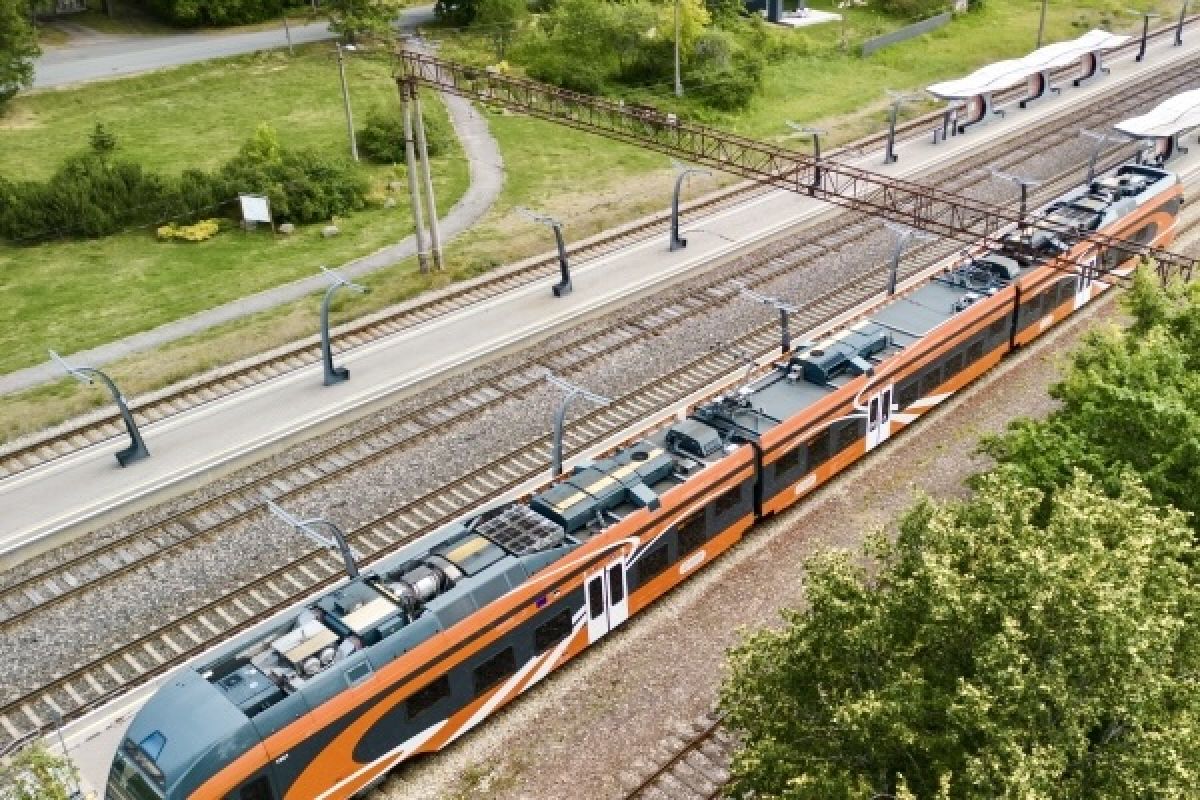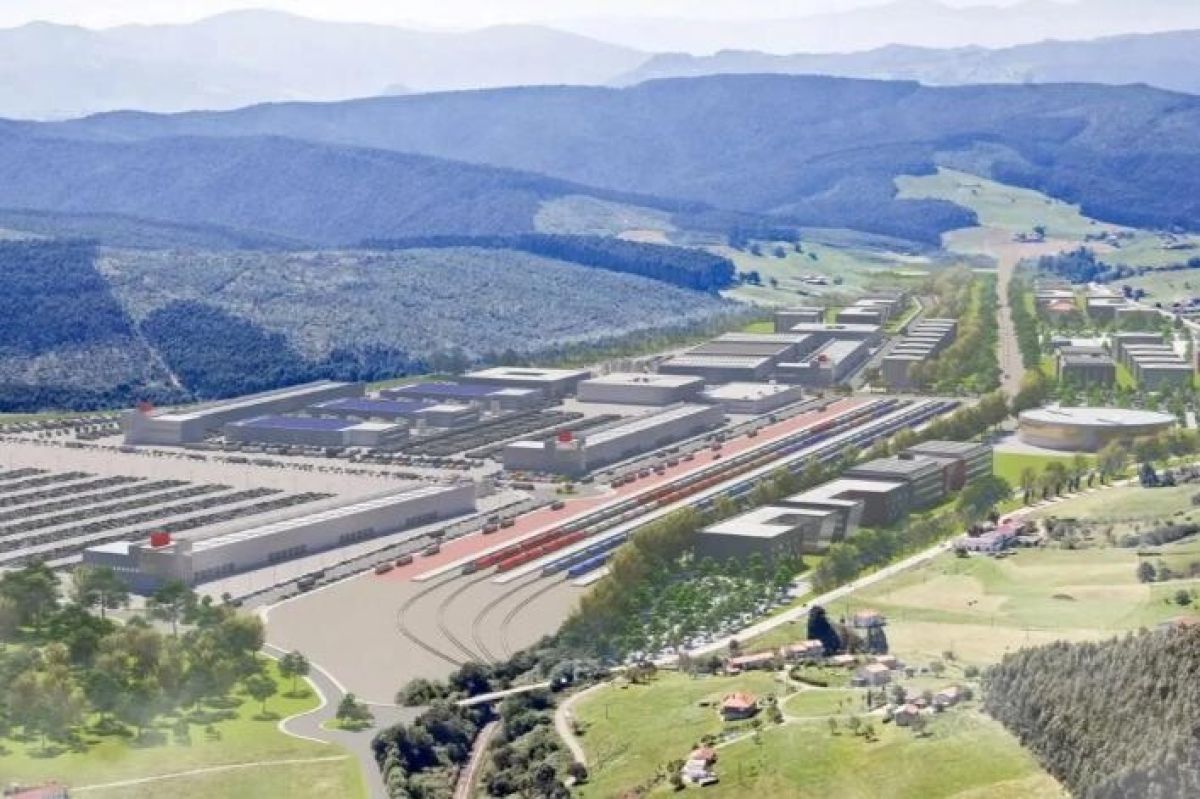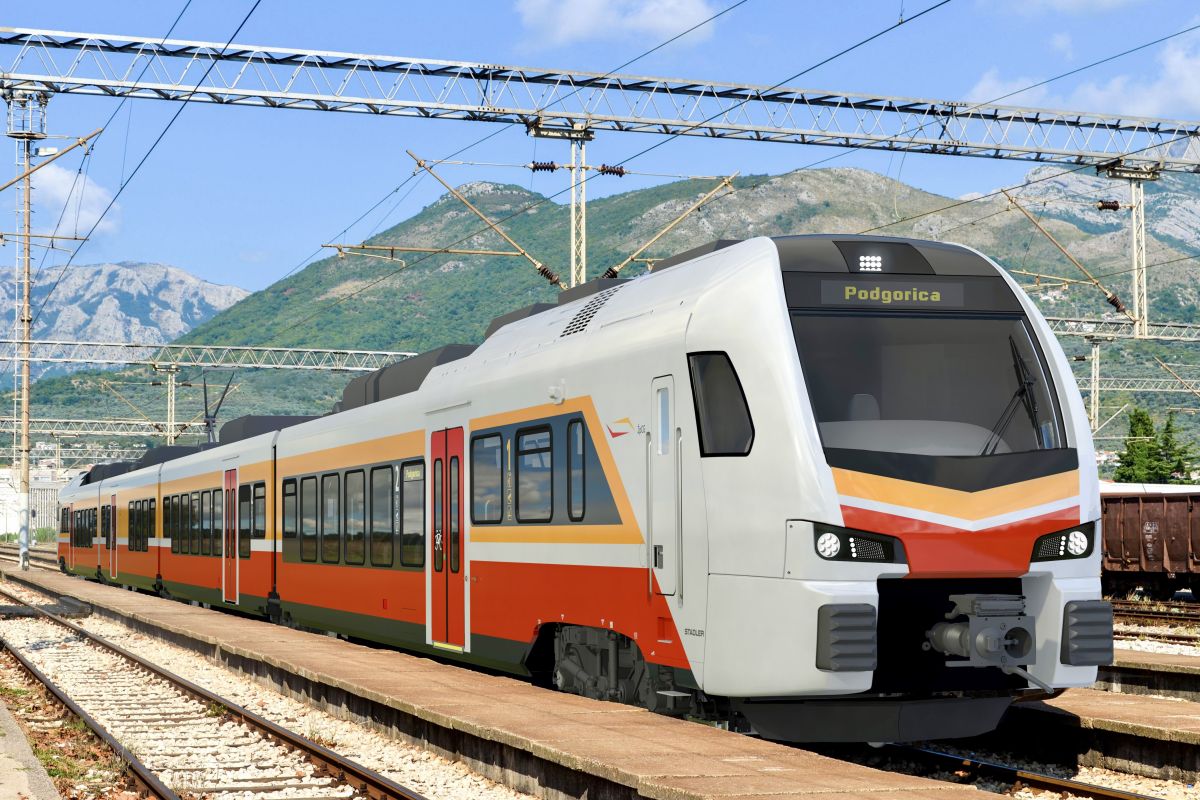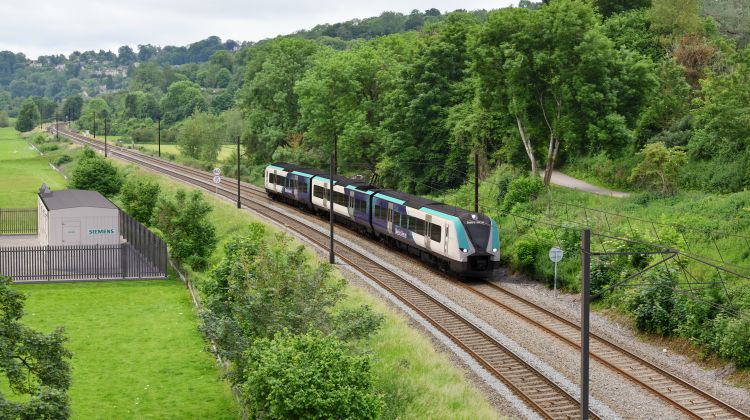
Siemens Mobility’s new manufacturing facility in Goole, East Riding of Yorkshire plans to produce Desiro Verve, trains that could replace aging diesel fleets for several major operators, including Chiltern, Great Western Railway (GWR), Northern, ScotRail, TransPennine Express (TPE), and Transport for Wales (TfW). The new trains could also be seen on the East-West Rail line within the next decade.
The introduction of these battery bi-mode trains could lead to significant financial and environmental benefits. Siemens Mobility projects that the adoption of these trains could save Britain’s railways EUR 4.1 billion and reduce CO2 emissions by 12 million tonnes over a span of 35 years.
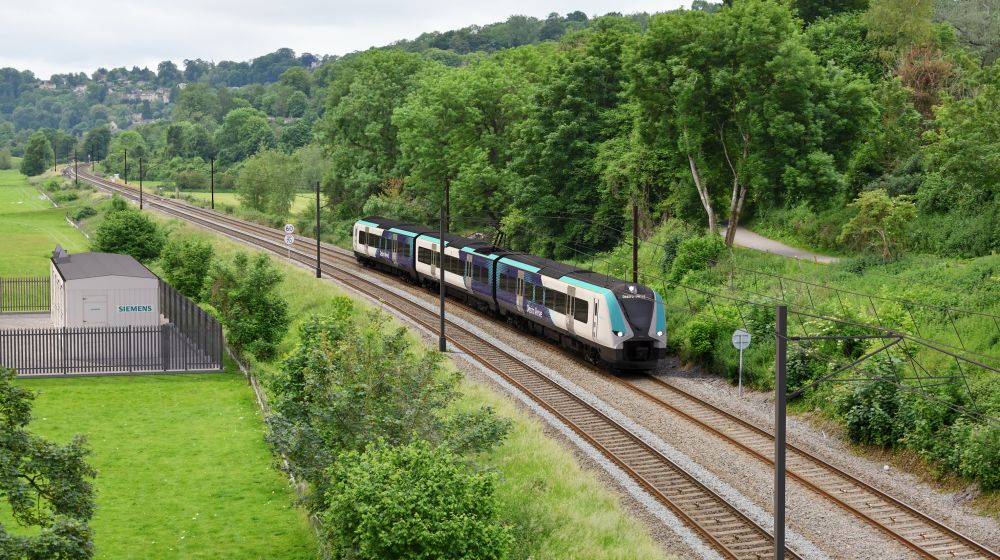
The battery bi-mode trains will operate on overhead wires on already electrified routes, switching to battery power where electrification is absent. This approach requires only small sections of the routes and specific stations to be electrified, significantly reducing the time and disruption compared to full route electrification.
A key component of this plan is Siemens Mobility’s innovative Rail Charging Converter, which can connect directly to the domestic power grid. This technology could shorten the installation time for overhead line equipment from seven years to as little as 18 months.
According to Siemens Mobility, their advanced train performance simulation software demonstrates that these battery bi-mode trains would need only 20-30% of a line to be electrified. The trains, which utilize Lithium Titanate Oxide battery chemistry, can charge fully in just 20 minutes, either while moving along electrified sections or while stopped at stations.
Siemens Mobility has also identified strategic points along various routes where discontinuous electrification could be implemented, powered by RCCs. This setup would allow batteries to be charged efficiently, connecting to the local power grid using an 11kV charge, rather than the higher powered 275/400kV network traditionally used for electrification projects.
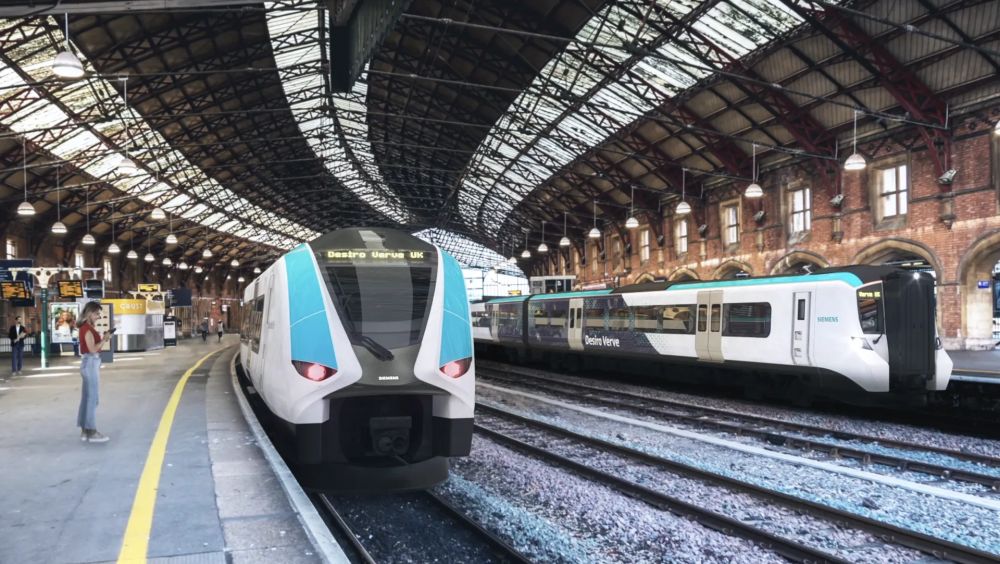
This approach, Siemens Mobility asserts, would align with the Government’s goal of eliminating diesel-only trains from Britain’s railways by 2040. It also promises substantial environmental benefits, equivalent to removing 80,000 cars from the roads or planting a forest the size of the Isle of Man.
Siemens Mobility's first battery train fleet is already in operation in Germany, running in the Ortenau region. These trains are expected to save 1.8 million litres of diesel annually once fully deployed across the network.
The adoption of Siemens' battery trains in Britain represents a major shift towards more sustainable and cost-effective rail travel, potentially transforming the future landscape of the nation's railways.