The Gotthard Base Tunnel is marking ten years since its official opening, with SBB highlighting its role in faster passenger services and more efficient rail freight across the Alps.
The 57-kilometre tunnel, inaugurated on 1 June 2016, remains the longest railway tunnel in the world. Together with the Ceneri Base Tunnel and the Lötschberg Base Tunnel, it forms the core of Switzerland’s New Rail Link through the Alps, known as NEAT.
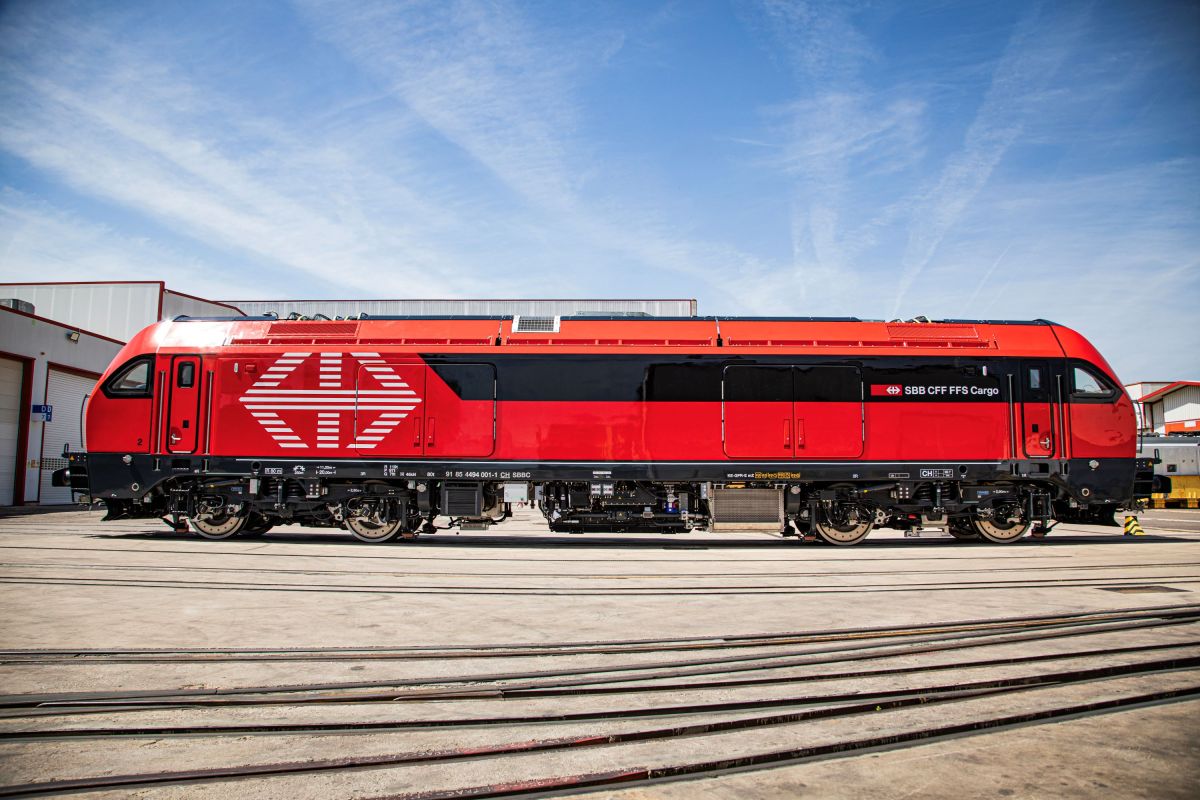
Since opening, 276,000 freight trains and 169,000 passenger trains have passed through the tunnel. For freight, the Gotthard Base Tunnel changed operations on the Genoa–Rotterdam axis, creating a flatter Alpine route that allows faster trains, longer formations and heavier loads than the historic mountain line.
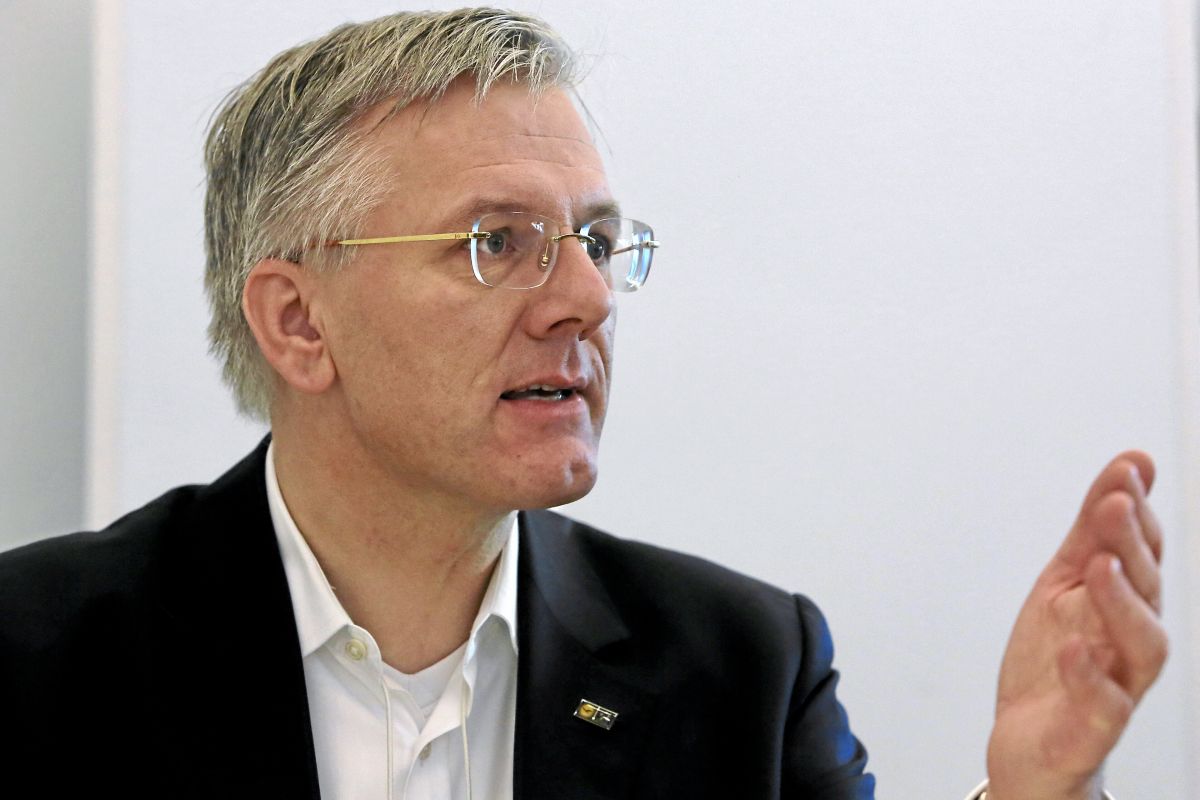
“Today I would like to thank all those who contributed to the construction of this project of the century, an outstanding achievement by Switzerland that is recognised and admired worldwide. My thanks also go to the SBB employees who work every day to operate the Gotthard Base Tunnel. Over the past ten years, the tunnel has permanently changed transalpine transport and strengthened the European north–south axis,” said Vincent Ducrot, CEO of SBB.
The freight figures show the shift clearly. In 2015, the Gotthard mountain route carried 17.8 million net tonnes of freight per year. In 2025, the base tunnel carried 24.2 million net tonnes, with additional freight still using the panoramic route.
Passenger traffic has also grown. Daily passenger numbers on the Gotthard axis increased from 9,000 in 2015 to 16,400 through the base tunnel in 2025, plus 1,400 passengers on the panoramic route. The journey from Zurich to Lugano now takes 1 hour 53 minutes, around 50 minutes less than in 2015, while Zurich–Milan takes 3 hours 17 minutes, about 45 minutes less than before.
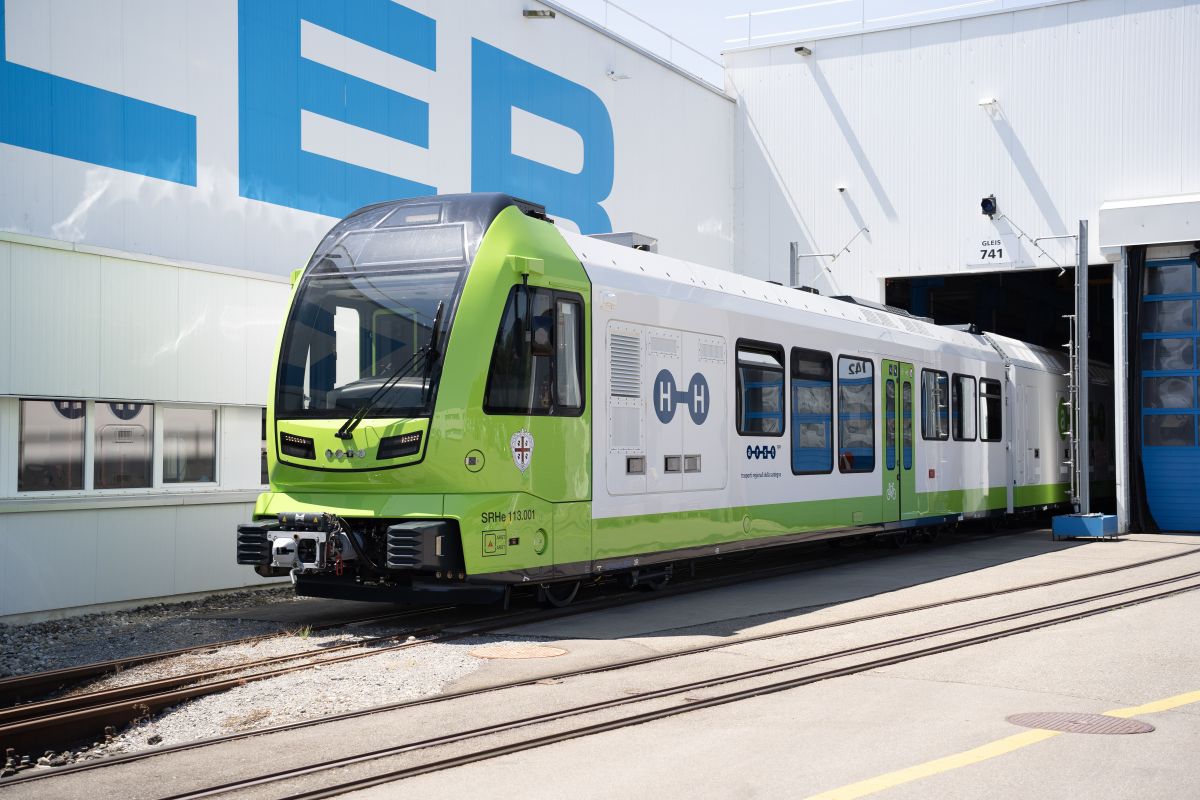
The historic Gotthard mountain route, opened in 1882, still has a role in regional transport, tourism and disruption management. It carries around 1,400 passengers per day on Südostbahn’s Treni Gottardo services and provides an alternative route when the base tunnel is restricted.
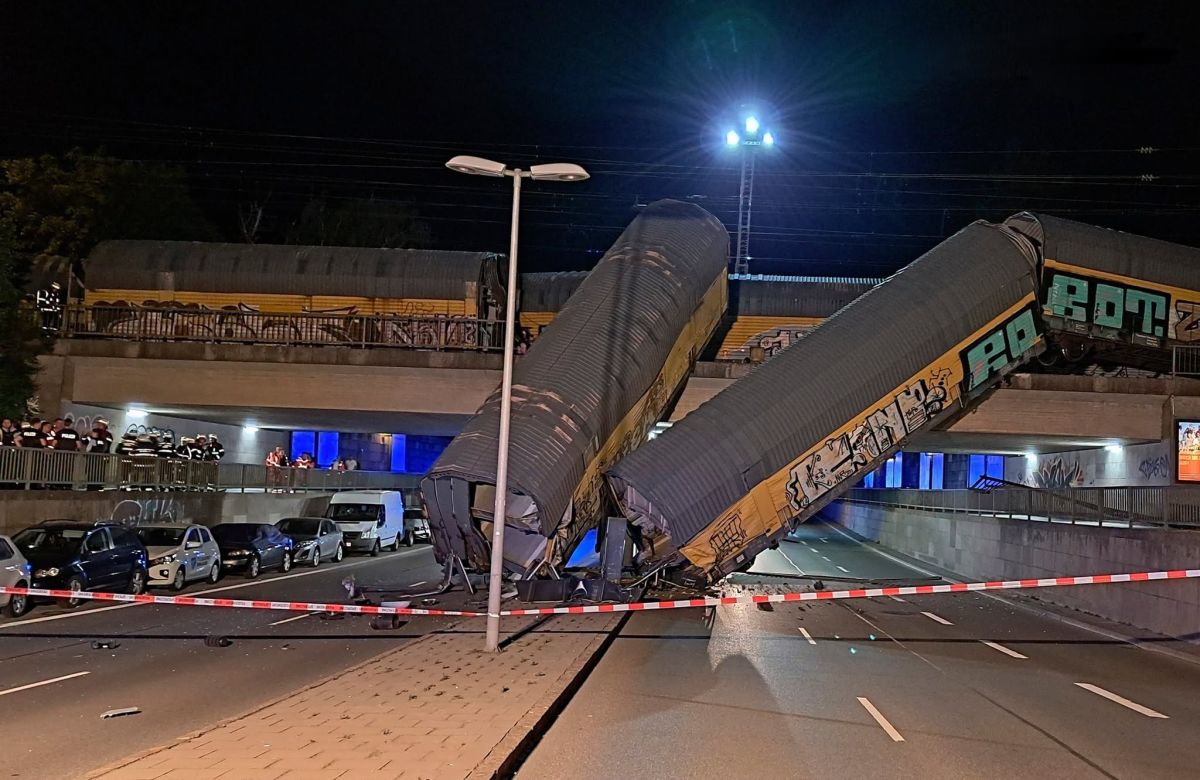
SBB invests around CHF 35 million per year in maintaining the Gotthard Base Tunnel. The anniversary also follows the serious 2023 freight train derailment, caused by a wheel disc fracture, which led to CHF 150 million in damage and kept the western tube closed for a year. In response, SBB has intensified freight wagon checks and installed derailment detectors at sensitive locations on the tunnel approaches.