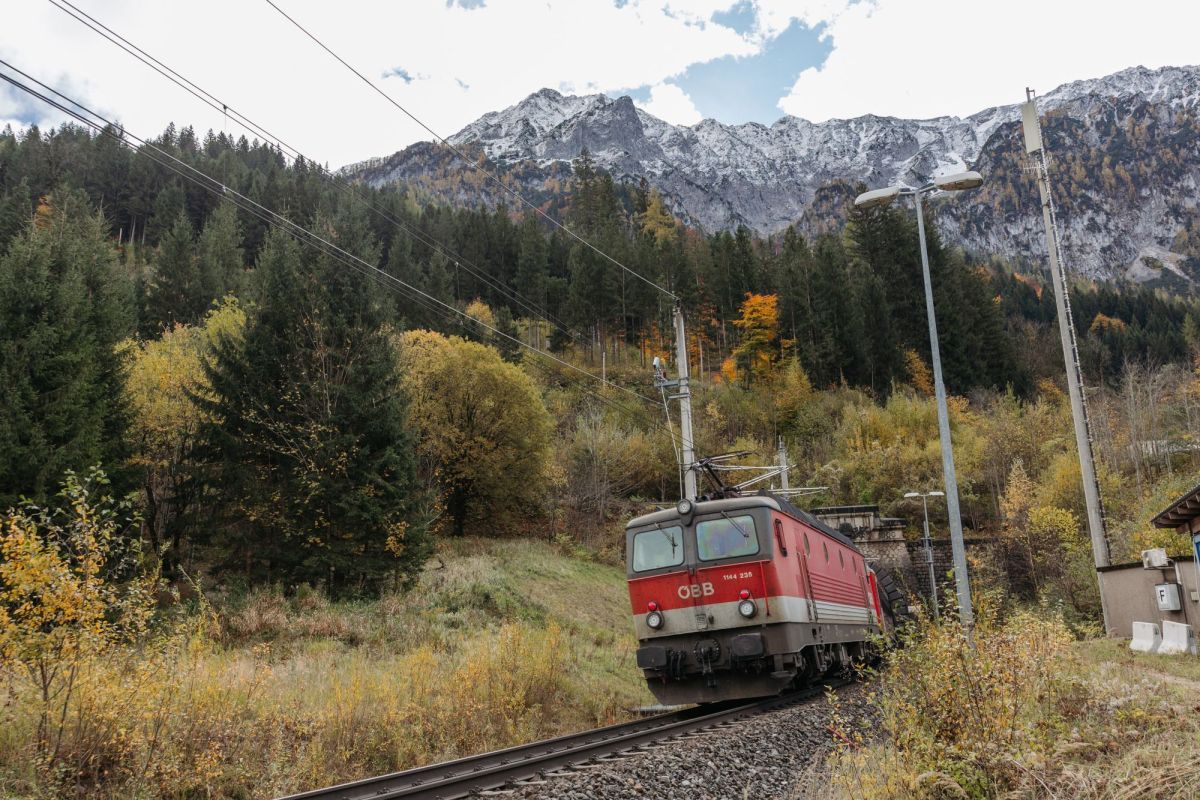
ÖBB has begun the route selection process for a new Bosruck Tunnel on the Linz–Selzthal Pyhrn line, starting a two-year planning phase that will run until 2028. The Federal Ministry for Climate Action and the ÖBB Supervisory Board commissioned the process in 2025, with construction not expected before 2030.
The project targets a reduction in long-distance journey times between Linz and Selzthal to around 75 minutes, compared with the current 105 minutes, alongside increased line capacity and partial double-tracking on a flatter alignment.
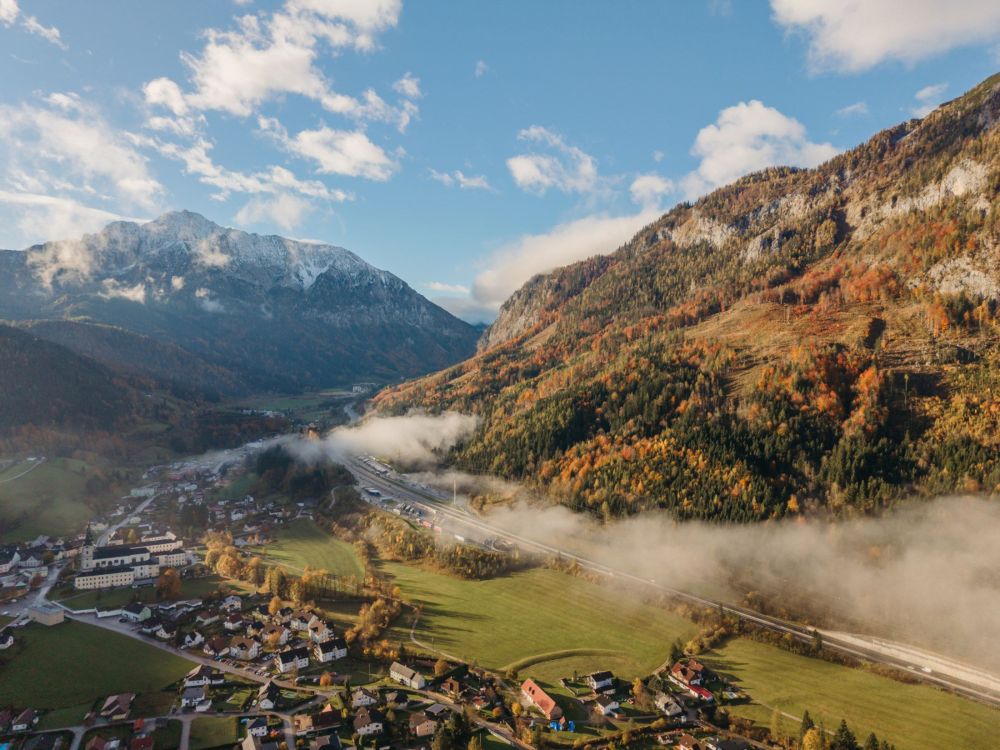
ÖBB has initiated a formal planning-related dialogue with regional stakeholders. Three forums representing the southern section, northern section and the wider region met on 24 and 25 March. Participants include representatives from regional government, business organisations, interest groups and public administration. Over the next two years, ÖBB will present planning progress and collect input from the region.
At the same time, technical groundwork for route selection is under way. External planners have begun surveying, mapping and exploratory works to define potential alignments. The results of these investigations will form the basis for track and tunnel planning and the development of route options.
Once initial study results are available, ÖBB plans to hold public information events. Project information is available via the ÖBB infrastructure website, and a dedicated project email address has been established for submissions.
The route selection phase is scheduled to conclude in 2028 with the identification of a preferred alignment. This will form the basis for the subsequent approval process, including an environmental impact assessment. The start of construction will depend on the outcome and duration of statutory procedures and is not anticipated before 2030.
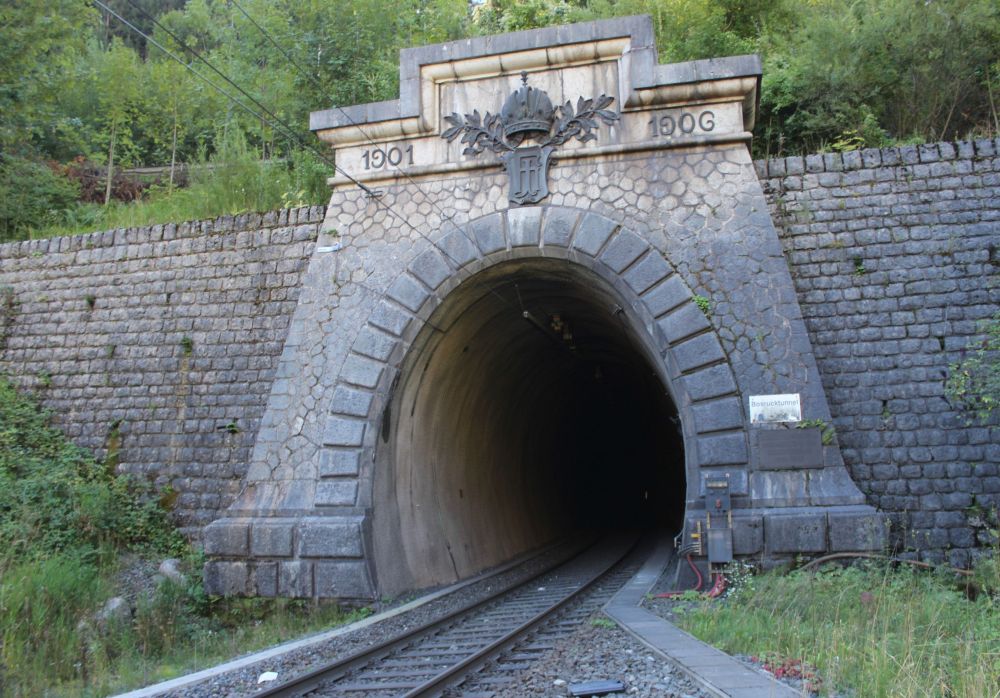
A replacement structure is required because the existing Bosruck Tunnel, opened in 1906, consists of a single tube and features steep gradients that generate additional operating costs. Without a new build, the tunnel would require extensive refurbishment in the 2040s without delivering capacity or performance improvements for rail traffic.