ÖBB has concluded the technical validation phase, which included system checks, trial operations and simulations involving multiple rail vehicles and measurement units.
Final test runs reached 250 km/h
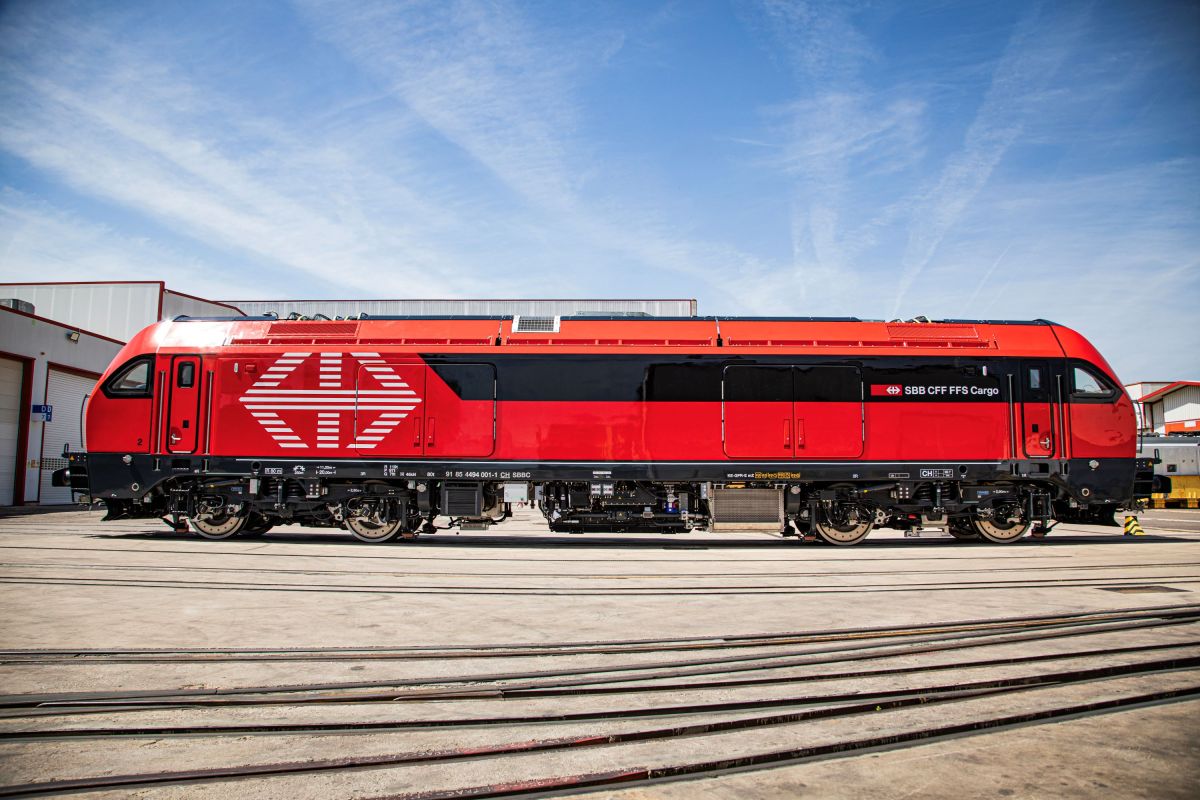
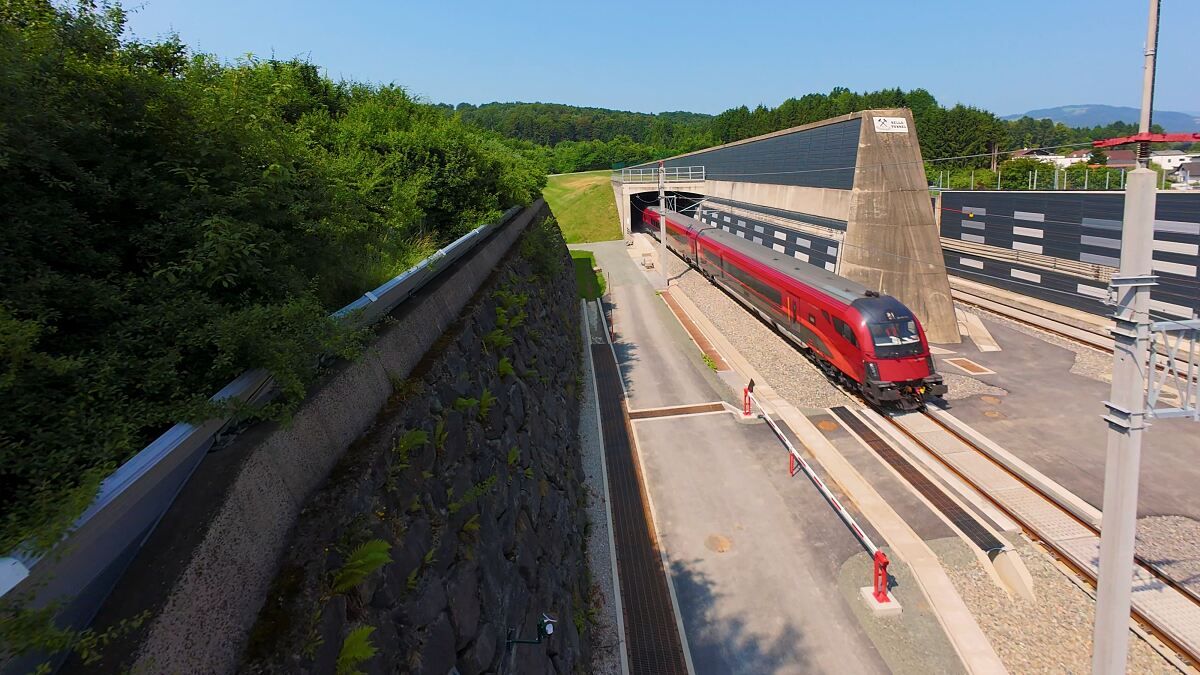
The trials included individual locomotives, test cars and Railjet units, all equipped with precision sensors. These collected data on vibrations, power supply, radio communication and track response. Testing was gradually scaled from 160 km/h to 250 km/h—exceeding the standard operating speed of Railjets, which run at 230 km/h in daily service. The test programme also examined the GSM-R system and the ETCS train control framework required for the corridor.

Shortened travel time between Graz and Klagenfurt
Following commissioning, the line is expected to connect Graz and Klagenfurt in 45 minutes. This compares to the previous rail travel time of nearly three hours and approximately 90 minutes by car. The final travel time and updated train schedules will be confirmed in the 2025/26 timetable, which ÖBB intends to publish on 16 September 2025.
Next steps toward commissioning
Before passenger services begin on 14 December 2025, freight operations on the corridor are scheduled to start in October. Regulatory approval procedures, training of personnel and safety drills with emergency services are planned for the intervening period. Starting in August, ÖBB will train operational staff, including drivers and technicians, for ongoing maintenance and line management.

Track access coordination, timetable planning and control centre operations have been involved throughout the preparation phase. The test programme has also involved support from external partners and system suppliers working on the ETCS deployment. With daily closures in Carinthia and Styria now lifted, final preparations will continue in the lead-up to commercial launch.