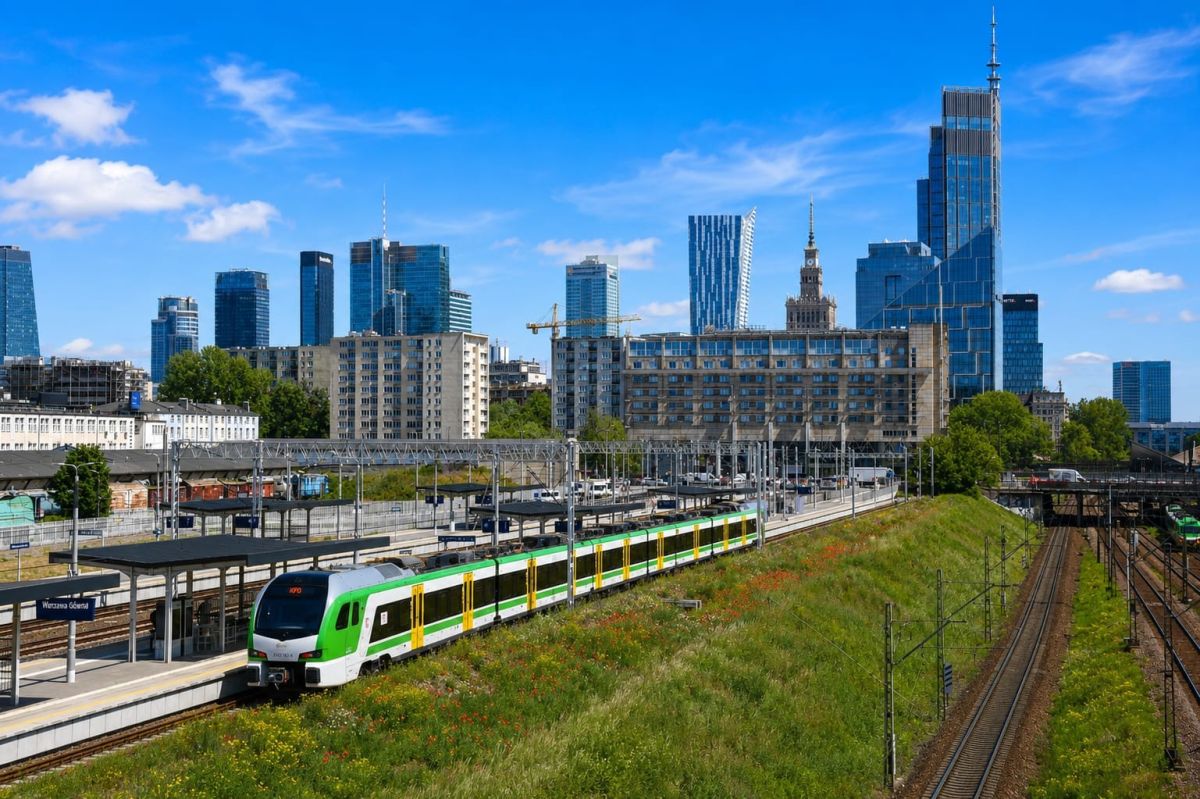
Deutsche Bahn (DB) has inaugurated the largest hydrotreated vegetable oil (HVO) filling station in eastern Germany, located at the Halle (Saale) marshalling yard. This facility will supply around one million liters of HVO 100 this year, offering significant CO2 reductions compared to fossil diesel.
This new HVO filling station is one of 21 across Germany. Shunting locomotives at the Halle yard will now benefit from nearly CO2-neutral operations. DB Cargo has plans to use eight million liters of biodiesel across Germany this year, potentially saving around 25,000 tons of CO2.
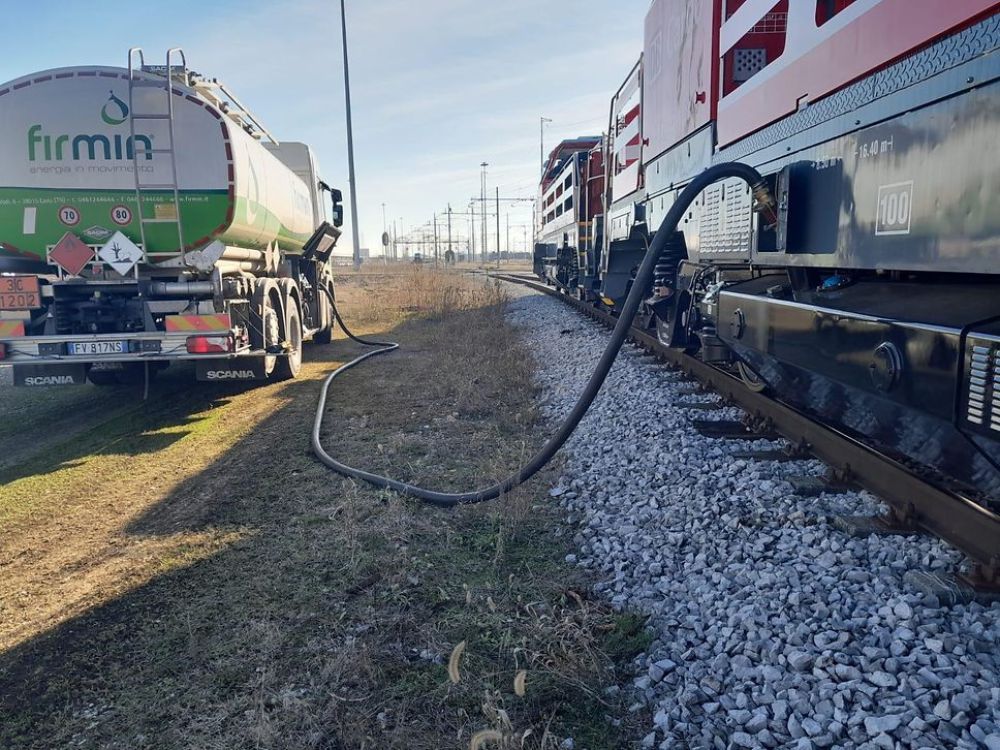
DB's shift towards biofuels is also evident in its operations beyond Germany. In January 2024, DB Cargo Italia began using HVO in its locomotives near Cervignano and Brescia, with plans to extend to other areas. This move underscores the company’s commitment to sustainability and innovation in rail transport.
The positive impact of HVO extends to other regions as well. DB Cargo Netherlands is currently testing HVO in its diesel locomotives, focusing on routes in the north of the country. Early results are promising, with expectations of integrating HVO into regular operations.
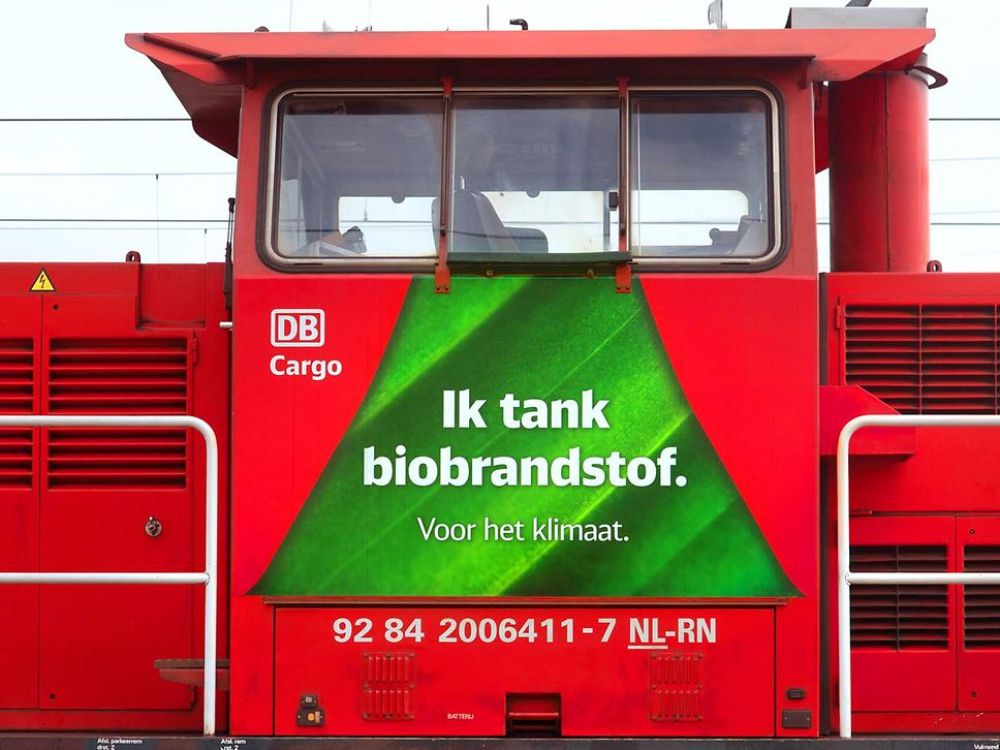
DB Cargo UK has also pioneered the use of HVO, with successful trials demonstrating the fuel’s viability.
DB’s Munich North marshalling yard has also transitioned entirely to HVO, supporting shunting services and the Bavarian chemical industry. The switch is part of DB's broader strategy to phase out fossil fuels, aiming to use ten million liters of HVO in 2023 and save approximately 30,000 tons of CO2.
Bremerhaven-Speckenbüttel has joined the initiative as the first European port using HVO-powered locomotives exclusively. This station, managed by DB Energie, dispenses over 300,000 liters of HVO annually.
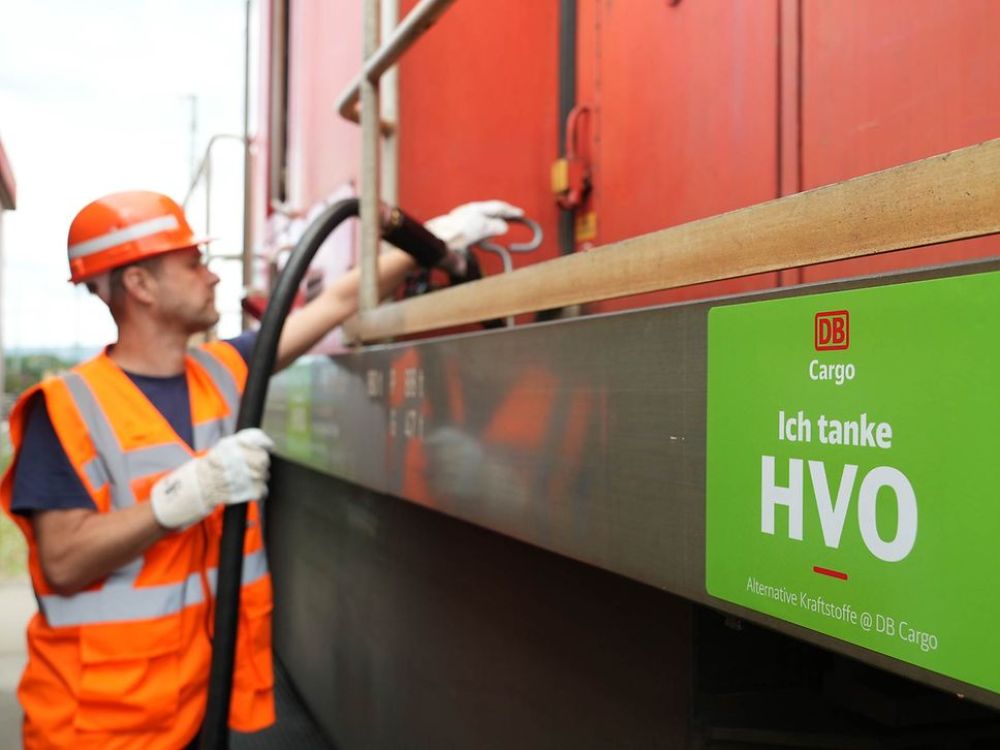
DB’s efforts to transition to HVO are ahead of schedule, with the company already using 17 million liters of the biofuel, twice the amount initially planned for 2023. This progress is partly due to the successful conversion of diesel filling stations and positive operational experiences.
The company’s sustainability strategy includes testing alternative fuels like HVO, derived from plant and waste residues. HVO offers similar performance to diesel while reducing CO2 emissions by about 90%. This biofuel is seen as a bridge technology, facilitating a shift towards greener rail transport.
DB's commitment to sustainability extends to exploring other alternative fuels, such as synthetic and air-to-fuel options, despite current market limitations.