I. Hydrogen trains in Romania – and what it signals for the region
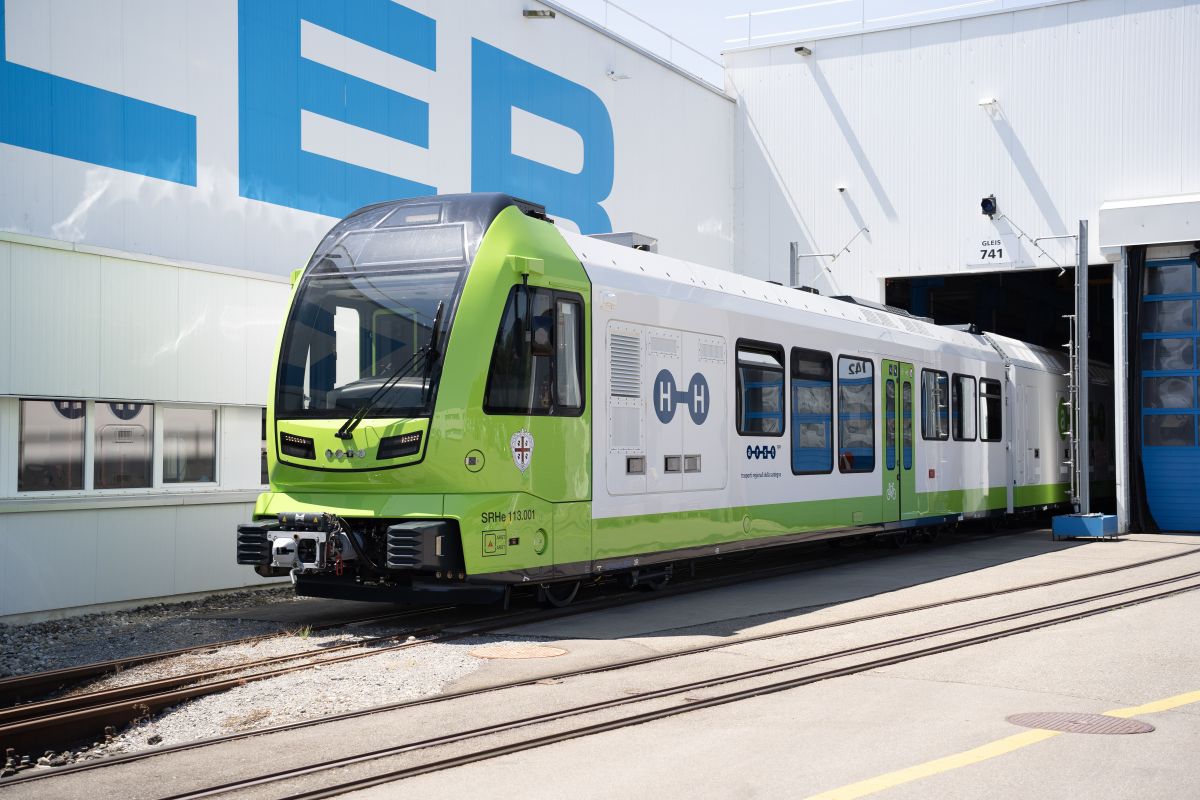
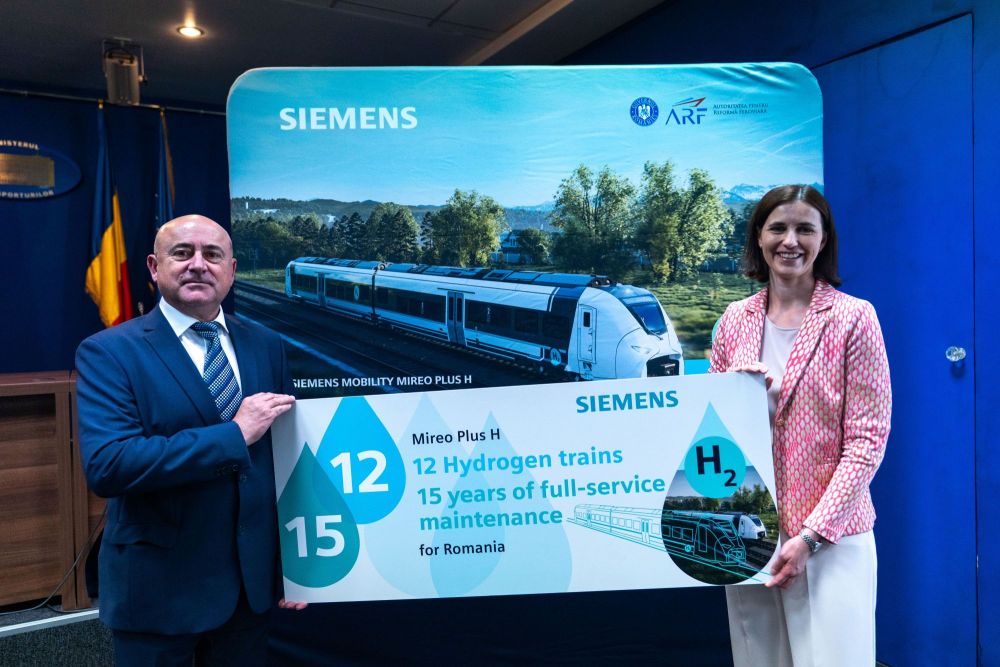
RAILMARKET.com: The ARF contract for 12 Mireo Plus H units is the first hydrogen rail order in Central and Eastern Europe. How do you see this contract from a Siemens Mobility global perspective?
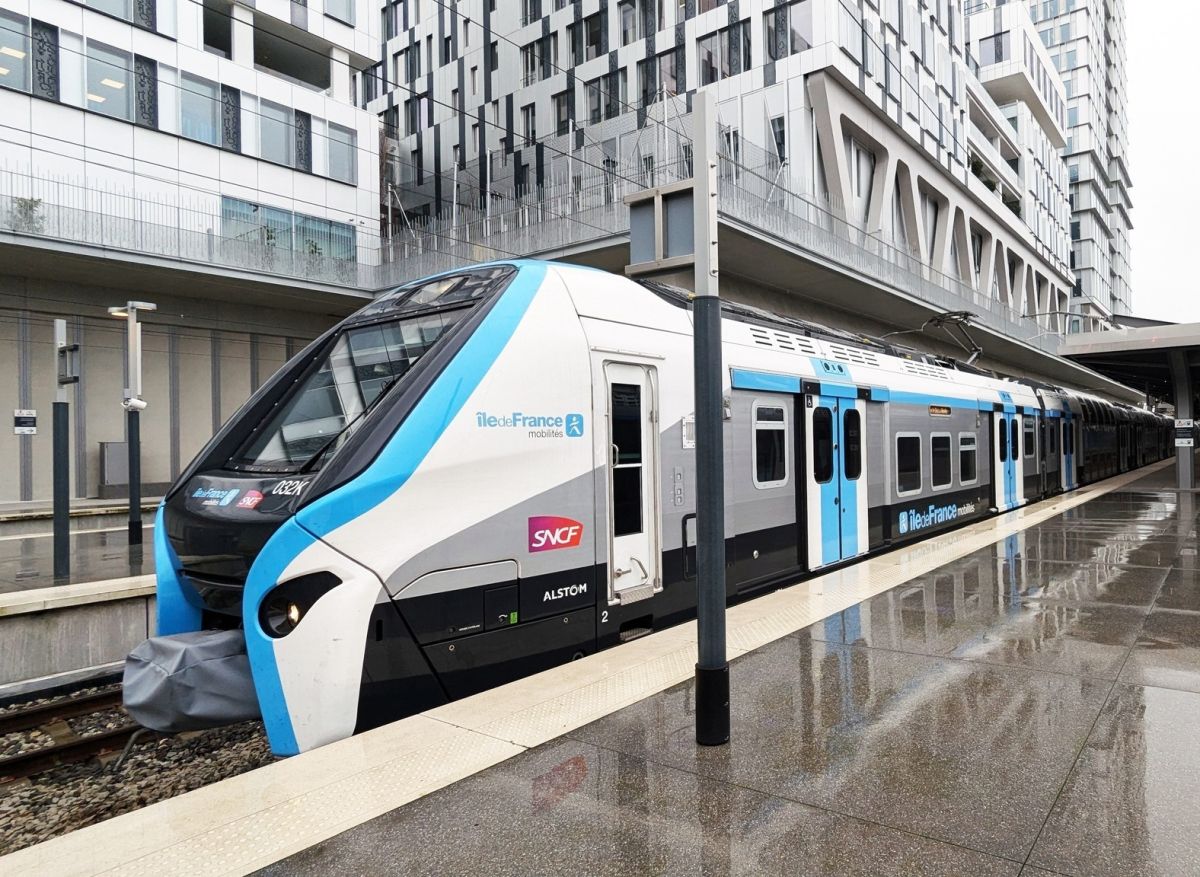
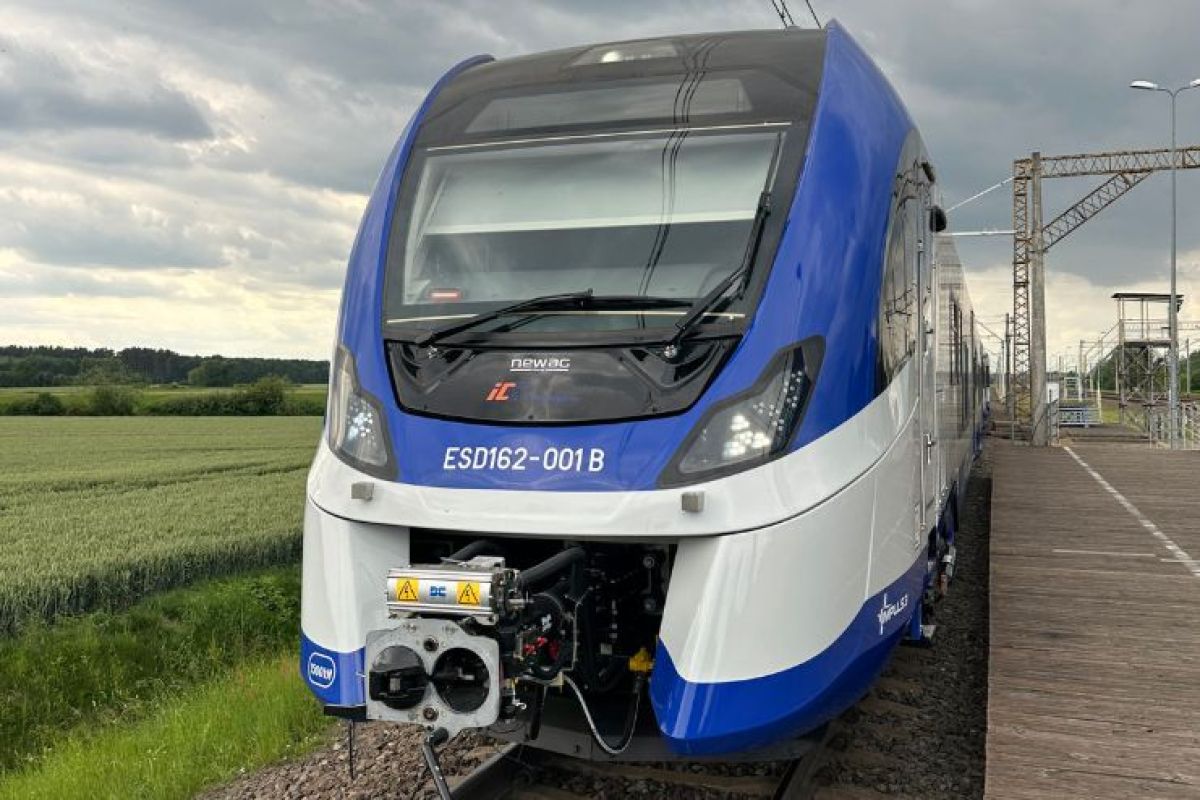
Tanja Kienegger: This contract is a landmark moment. It is the first hydrogen rail order in Central- and Eastern Europe and a strong signal that hydrogen is moving from pilot projects to scalable, long‑term solutions. This project will be beneficial for our customer, and all rail passengers in Romania as well. With the state-of-the-art Mireo Plus H platform trains, we are boosting passenger comfort in local and regional transport, while our customer ARF will benefit by a favorable economic basis. We are showcasing, that the future of rail means zero‑emissions and environmentally friendly mobility for everyone. Siemens Mobility will be a strong and reliable partner by taking over the maintenance responsibility for these trains.
RAILMARKET.com: The contract bundles 15 years of maintenance with an option for another 15, materially longer than any of your German hydrogen contracts. How does Siemens hedge obsolescence risk over that horizon - fuel cell stack replacement intervals, battery chemistry evolution, ETCS baseline changes
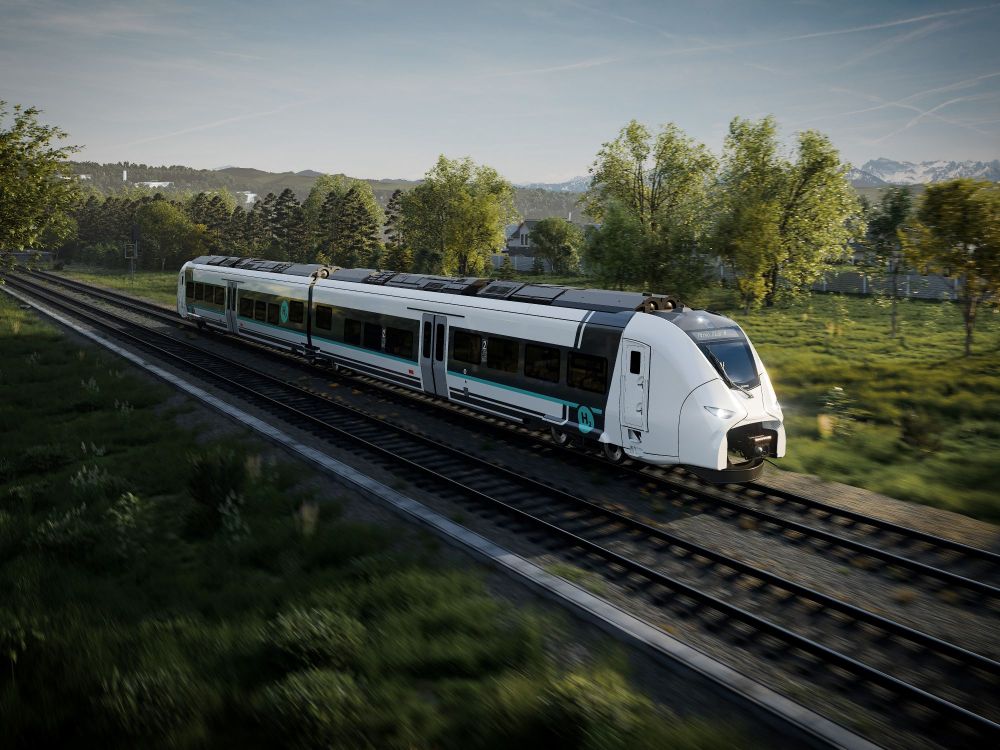
Tanja Kienegger: We are addressing challenges such as these by our vehicle platform where modularity and continuous further development are essential. Mireo Plus H is built as a hybrid, upgradable platform: fuel cell stacks and batteries are lifecycle‑managed components that can be replaced or upgraded over time. We deliberately use durable Lithium‑Titanate batteries for long cycle life, while keeping the system open to future chemistry advances. ETCS evolution is addressed through upgradable onboard architecture. Combined with digital fleet monitoring and long‑term service responsibility, this shifts technology risk away from the operator and ensures availability over decades.
RAILMARKET.com: Why hydrogen, when Lower Saxony concluded battery trains are cheaper?
Tanja Kienegger: Which technology fits best depends on the individual network characteristics – for example, the length and slope of the track - and also on specifics how the trains will be operated. Generally said, Battery trains are highly efficient where non‑electrified sections are rather short up to 100 kilometers with charging opportunities after that. Hydrogen trains become competitive on longer routes, at higher operating speeds, or where grid capacity and charging infrastructure are limited. In Central and Eastern Europe, decisions are also influenced by network topology, funding structures, and national industrial or energy strategies. The key is to match the technology to the operating profile, not the other way around.
RAILMARKET.com: Which CEE countries are likely hydrogen follow‑ons – and which will skip straight to batteries?
Tanja Kienegger: Across Central and Eastern Europe, there is a strong need for alternative traction because large parts of the regional rail network are still not electrified. Where smooth, state of the art passenger and emission free passenger transport shall be established, our Mireo fleet with alternative drives are the best answer. Some countries with long, continuous non-electrified lines will seriously evaluate hydrogen as a diesel replacement. Others, especially those with denser networks and shorter non‑electrified gaps, are likely to move directly to battery‑electric trains. We expect hydrogen and battery solutions to coexist across the region, each addressing different operational and infrastructure realities and we are happy to serve both technologies.
II. Vectron in CEE — Slovenia signed, Croatia next, Dual Mode further east
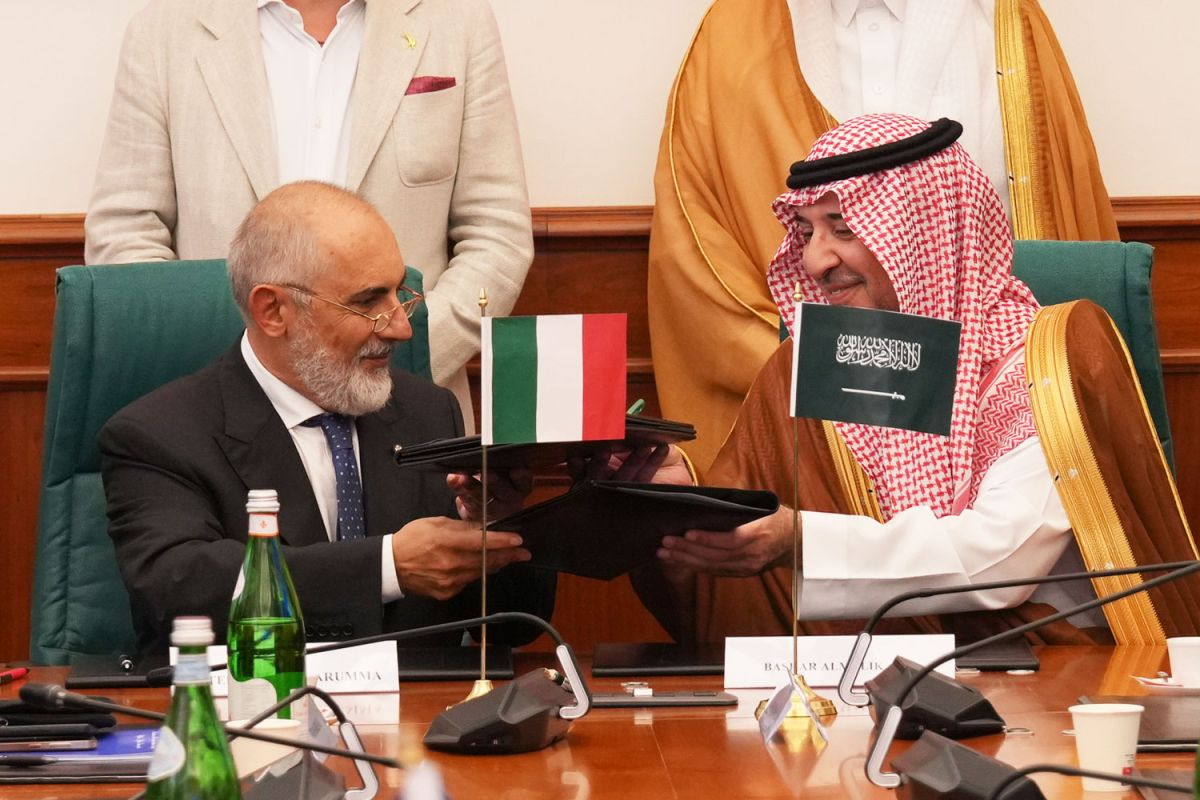
RAILMARKET.com: In December 2025, SŽ Potniški Promet signed a €26 million contract for four 200 km/h Vectron MS locomotives - Slovenia's first Vectrons for passenger service, with homologation across eight countries. Aleš Napast called it the next phase of a 25-year partnership. What does this deal change strategically for Siemens in the Western Balkans corridor, and how does it complement Alstom's Traxx win on the SŽ Tovorni promote freight side earlier in 2025?
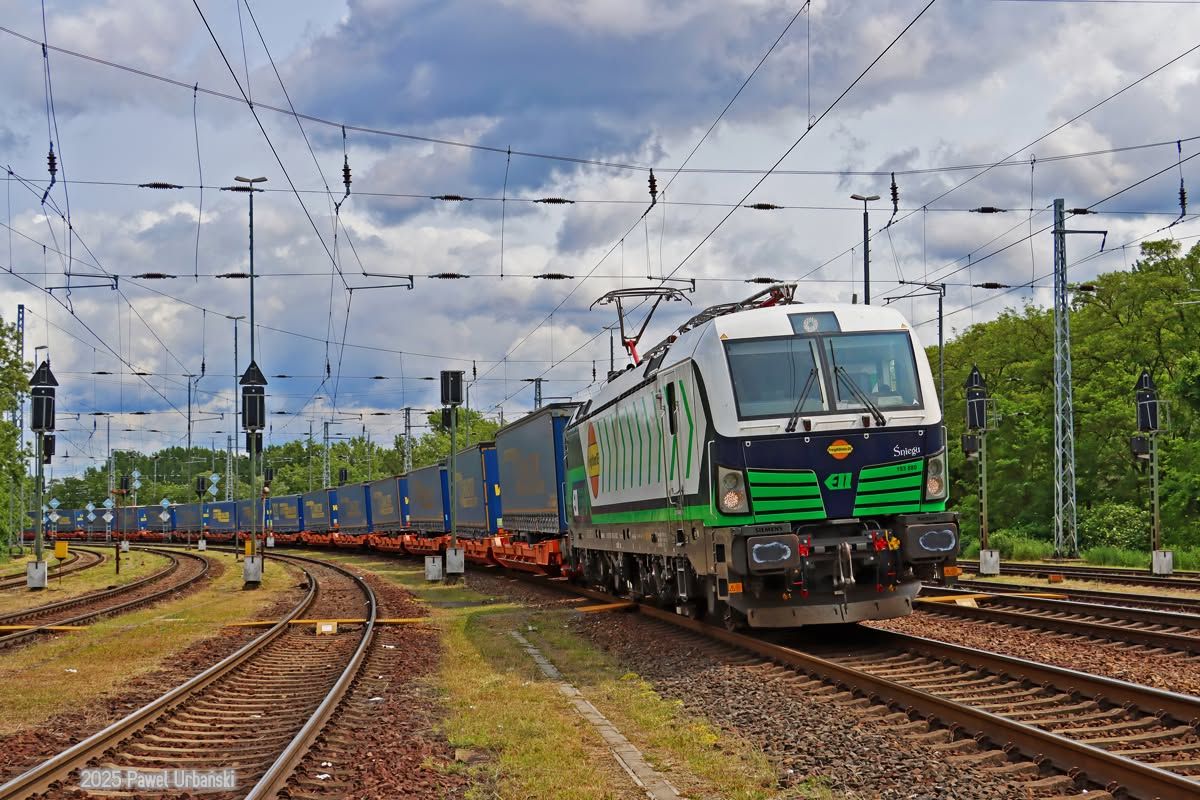
Tanja Kienegger: Strategically, this contract showcases Vectron as the backbone of international passenger transport in the Western Balkans corridor. These are Slovenia’s first Vectrons for passenger service, capable of 200 km/h and approved for operation across eight countries, which is essential for seamless cross‑border mobility between Central and Southern Europe. It builds on a 25‑year partnership and marks a clear step toward future‑oriented, interoperable rail.
RAILMARKET.com: How about Croatia? HŽ Cargo already operates leased Vectron X4 locomotives, and HŽPP is renewing its fleet. What are Siemens' read on the upcoming Croatian tenders, and what role does Vectron's eight-country homologation play in pitching for the Zagreb–Split and Mediterranean Corridor traffic? Croatia as the next step – how do you see upcoming tenders?
Tanja Kienegger: We are delighted to announcing the first-ever Vectron order in the country, signed with ENNA Logic, which marks Siemens Mobility’s market entry and demonstrates strong demand for interoperable, high‑performance locomotives in Croatia and the Balkans. Vectron’s multi‑system design and wide cross‑border homologation make it ideally suited for corridor traffic linking the Adriatic with Central Europe. For upcoming Croatian tenders, especially on routes like Zagreb–Split and along the Mediterranean Corridor, interoperability, reliability and lifecycle efficiency will be decisive — exactly where the Vectron platform has proven its strengths across Central and Southeastern Europe.
RAILMARKET.com: Vectron Dual Mode has been steadily collecting approvals for the CEE corridor - Akiem, Swietelsky and Alpha Trains have all ordered units configured for Germany, Austria, Czechia, Slovakia, Hungary, Romania and Bulgaria. Cross-border approval between Germany and Austria came through in January 2026. And the announcement of the Vectron Dual Mode east version for 25 kV is promising in this segment that seems to take over new orders. When do you expect CEE operators themselves - not lessors based further west - to start placing direct Dual Mode orders, and what is currently the bottleneck?
Tanja Kienegger: Vectron Dual Mode locomotives are our solution to solve challenges given by the reality of partially electrified networks and the pressure to reduce diesel operation. Today, lessors are leading demand, but as fleet renewal cycles progress and regulatory frameworks stabilize, we expect more direct orders from operators themselves. The main bottleneck is not technology, but investment planning and long‑term fleet strategies.
RAILMARKET.com: Where does Smartron fit today?
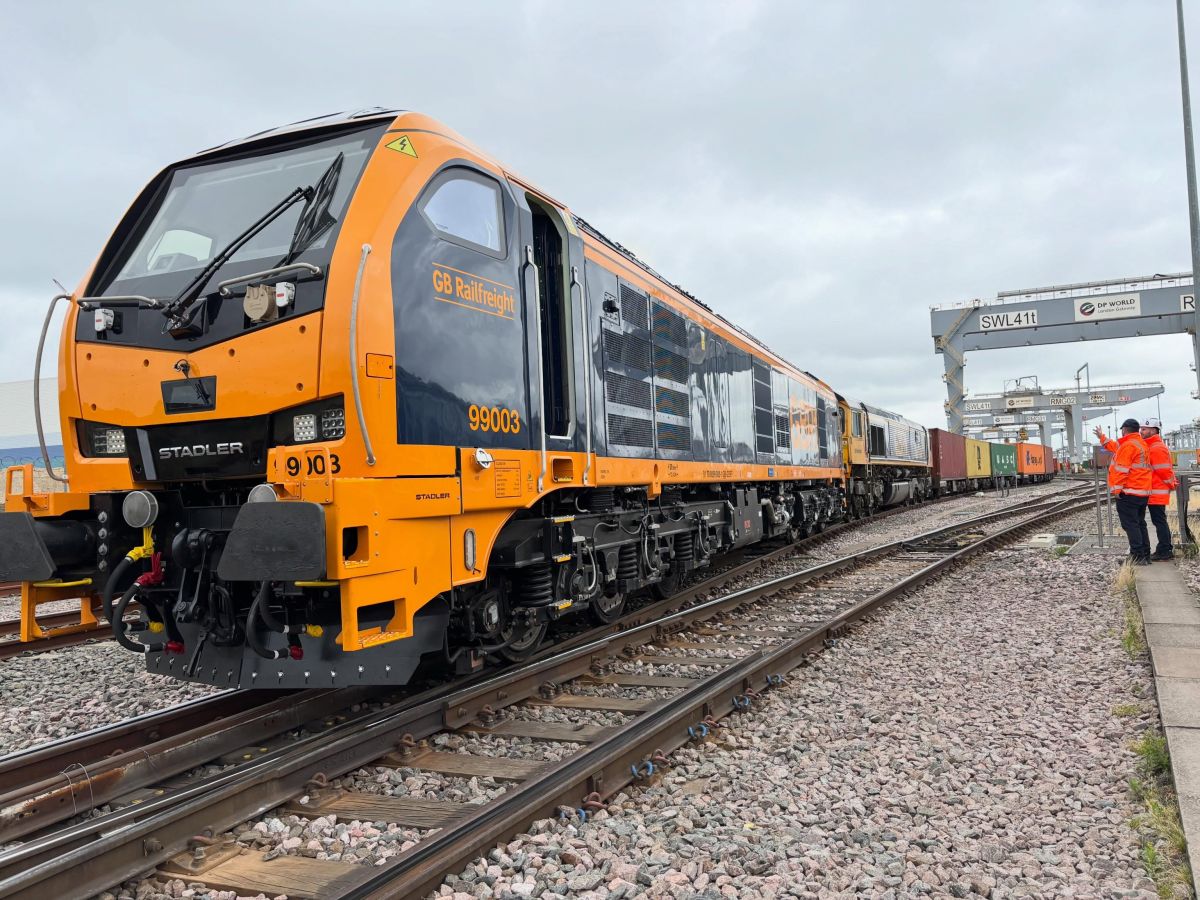
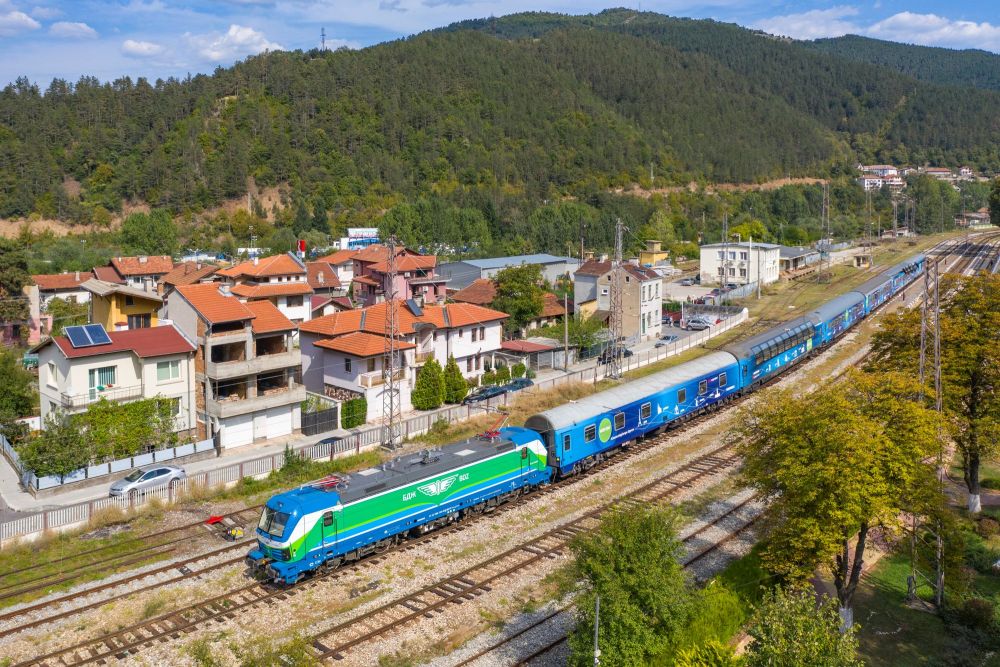
Tanja Kienegger: Smartron is designed as a highly standardized, fully electric freight locomotive that delivers exactly what many CEE operators need today: simplicity, reliability and attractive total cost of ownership. It focuses on the essentials, offering strong performance on electrified lines without the complexity of multi‑system platforms, making it a very efficient replacement for ageing diesel fleets where electrification is already in place.
In Central and Southeastern Europe, Smartron is already well proven. In Bulgaria, it has been deployed by BDZ, with recent deliveries concluding, while in Romania it is operating both with local customers and international operators active on the market. European players such as CARGOUNIT are using them for cross‑border freight operations that include Romania and Bulgaria as key markets.
RAILMARKET.com: What does the next decade of the Vectron platform look like in CEE - particularly with the new Vectron Hybrid (battery-electric) variant?
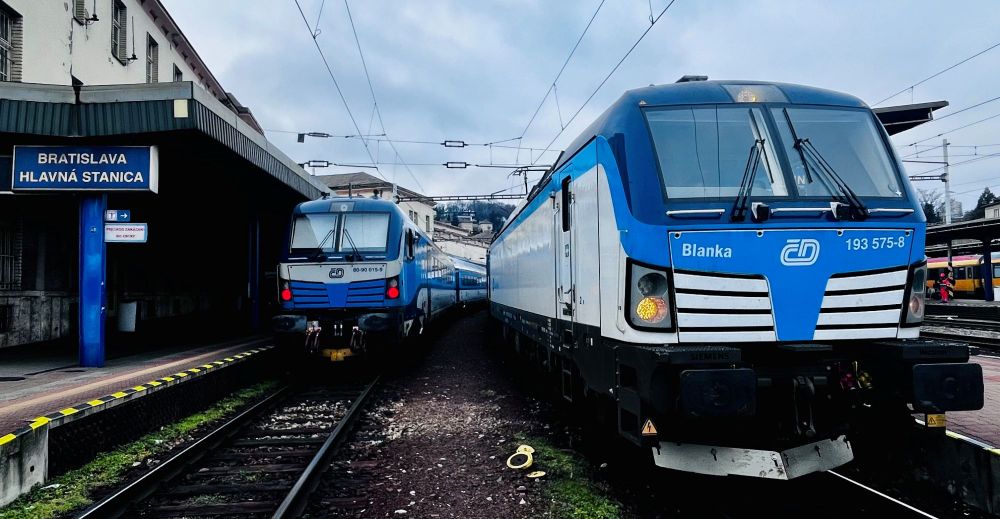
Tanja Kienegger: With almost 3,000 Vectrons ordered, the next decade is about evolution rather than replacement. Under the Vectron Evolution concept, the platform continues to expand with additional country homologations - including e.g. France - new digital and operational functionalities based on the new Vectron X technology and new variants such as battery‑electric and hybrid solutions. The Vectron Hybrid, entering service from 2029/2030, is a logical response to partially electrified networks and tightening decarbonization requirements.
For Central and Eastern Europe, this evolution is particularly relevant. Customers in Austria and CEE - including Austria, Croatia, Slovakia, Slovenia, Serbia, Hungary, Romania and Bulgaria - have already ordered a high three-digit-number of Vectrons, representing roughly 30% of global Vectron sales. This underlines the region’s strategic importance. To support growing demand, Siemens Mobility has increased Vectron production capacity to around 380 locomotives per year, ensuring scalability for the next phase of growth.
To be continued in part II