The European Commission has adopted an implementing decision formalising the next steps in the development of the high-speed rail connection between Lisbon and Madrid.
According to the plan, the corridor will be delivered in two phases: by 2030, the route is expected to support direct high-speed services between the two capitals with a journey time of approximately five hours. By 2034, the final configuration of the infrastructure is intended to reduce the journey time to around three hours.
The Évora–Caia section on the Portuguese side is scheduled to enter operation in 2026. Studies for the Lisbon–Évora section, which includes a new crossing over the Tagus River, are due to be completed by the end of 2027.
The project also foresees the establishment of a joint coordination structure involving both Portugal and Spain, working in cooperation with the European Coordinator for the Atlantic Corridor.
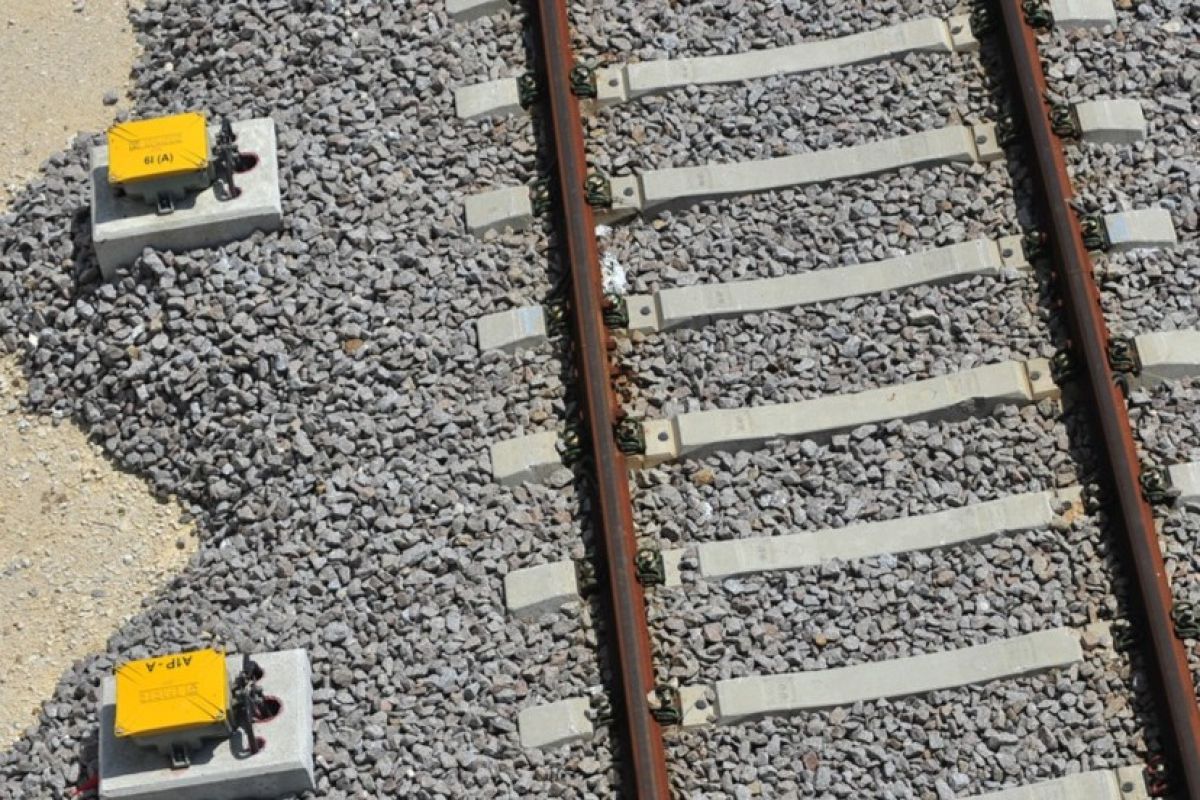
The rail link is designed to operate with full technical interoperability, including the adoption of European standard gauge (1,435 mm) and deployment of ERTMS. The completed line will connect directly with Spain’s existing high-speed rail network.