Kenya Railways has launched operations involving the rail transport of refrigerated containers using newly introduced self-powered wagons between the Inland Container Depot (ICD) in Nairobi and the Port of Mombasa.
The operation included the movement of a reefer container from Nairobi to Mombasa using a new wagon type equipped with independent cooling power systems. Each wagon features built-in powerhouses, with the current fleet comprising 16 wagons collectively capable of transporting 32 twenty-foot equivalent units (TEUs) under controlled temperature conditions.
The wagons are fitted to provide continuous power to the reefer units throughout the journey. Real-time temperature control systems are installed to ensure the consistency of required storage environments for temperature-sensitive cargo. This step targets the logistics chain for perishable goods such as fruits, vegetables, pharmaceuticals, and seafood.
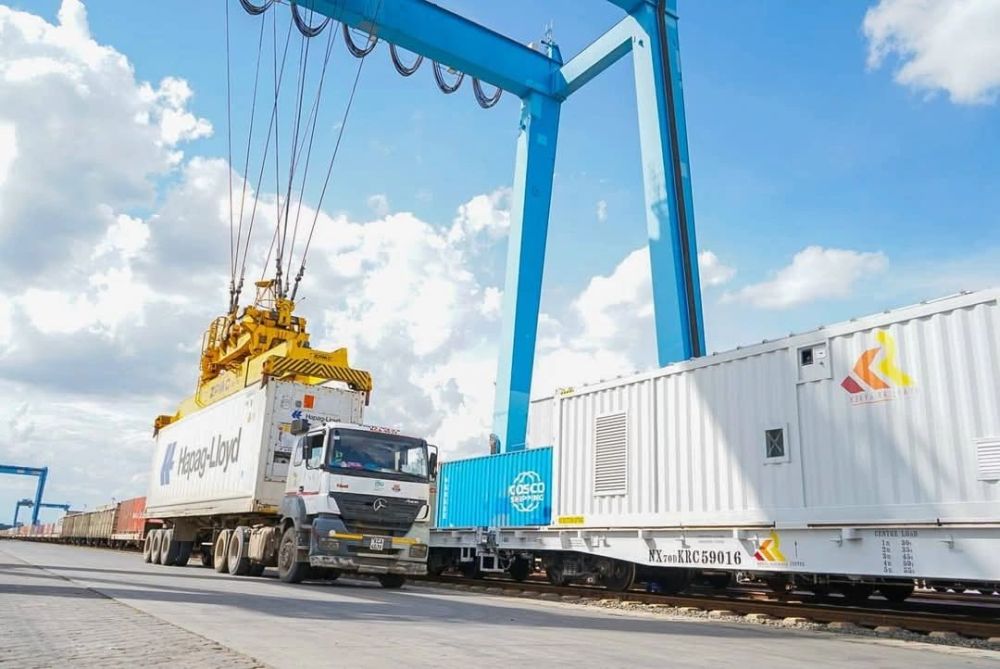
The addition of these wagons expands available options on the standard-gauge railway between Nairobi and Mombasa, a corridor already serving bulk, containerized, and passenger transport. With self-powered reefer wagons, Kenya Railways now includes perishable goods in its rail freight portfolio, creating a through-service link to maritime export and import gateways.
The system is structured to operate in both directions, enabling refrigerated shipments inbound from the coast and outbound from Nairobi’s ICD. The configuration supports flexible deployment based on cargo volume and timing.
The railway-based reefer service offers an alternative to road-based refrigerated transport across the corridor, with controlled temperature rail solutions potentially supporting longer shelf-life maintenance during transit. The use of rail also addresses load consolidation and fuel dependency concerns in temperature-controlled logistics.