The Austrian rail logistics company Innofreight has announced a record turnover of €300 million for 2024, citing growth in its operations and increased freight movement across Europe.
Under the InnoWorld umbrella
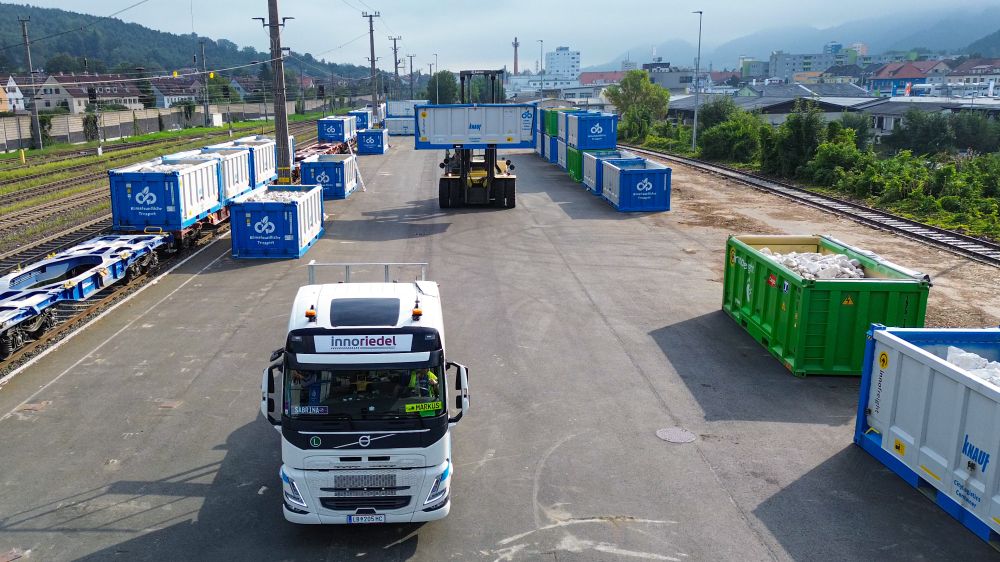
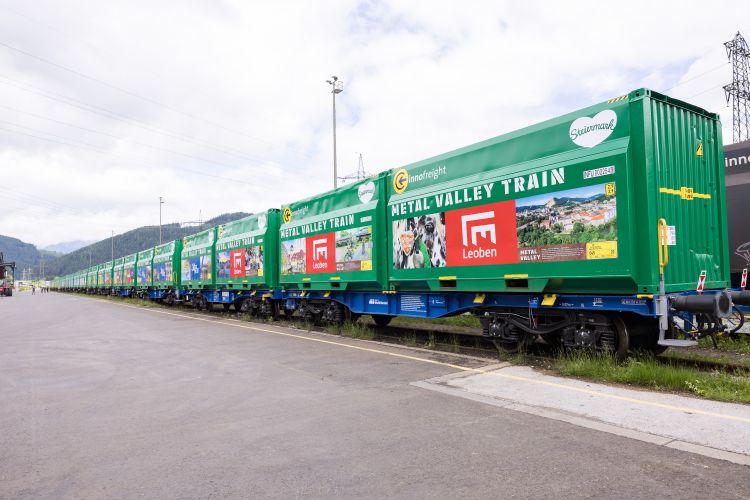
Operating under the InnoWorld umbrella, the company’s 2,000 employees across 14 countries played a central role in handling agricultural products, construction materials, steel, and energy goods. Its modular logistics solutions include more than 40 superstructure designs, wagons, and specialized loading technologies, which the company says improve transport efficiency.
Innofreight’s operations are concentrated in Styria, where approximately 50 trains using its equipment operate daily. These trains provide services for a range of industrial partners, supporting environmentally conscious transport methods and contributing to regional supply chains.
Expansion of logistics infrastructure and equipment
The company has outlined plans for continued growth in 2025, driven by the rising demand for freight cars across Europe and infrastructure projects such as the Koralmbahn and the Semmering Base Tunnel. Innofreight’s facility in Trieste, developed in partnership with MSC, will manufacture wagons and bogies that aim to meet the growing needs of European freight traffic and improve connectivity between northern and southern ports.
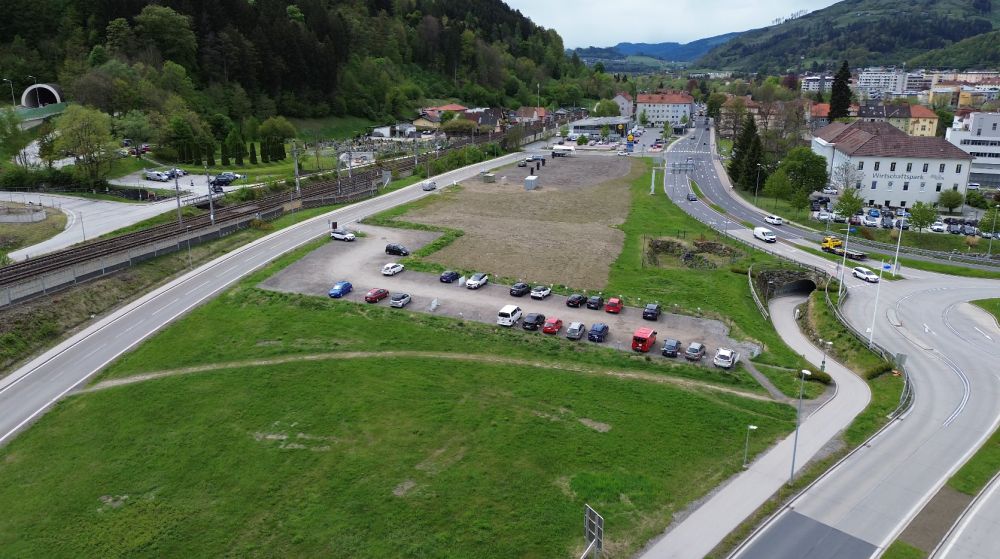
Additionally, Innofreight is preparing for the development of InnoPark SÜD, a logistics hub in Bruck, designed to support research, development, and training initiatives. The facility, projected to cost €35 million, is scheduled to begin construction in the second quarter of 2025, with completion expected within 18 months. The site will include e-charging infrastructure to support the integration of electric vehicles in freight logistics, complementing existing projects in the region.
Focus on sustainability and innovation
Innofreight continues to integrate sustainability and innovation into its logistics solutions. The company aims to use its expertise in combined transportation methods, emphasizing rail as the backbone of its operations while accommodating road transport for first- and last-mile deliveries. Collaboration with partners across Europe is expected to support ongoing efforts to decarbonize the logistics sector and optimize industrial supply chains.