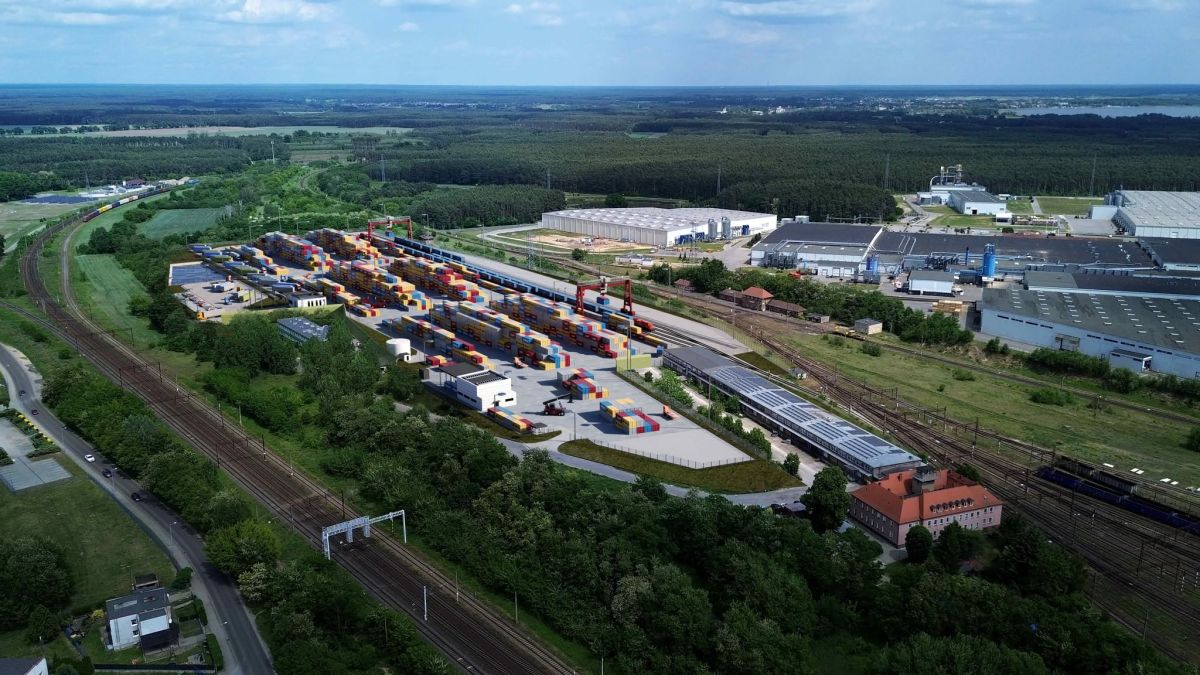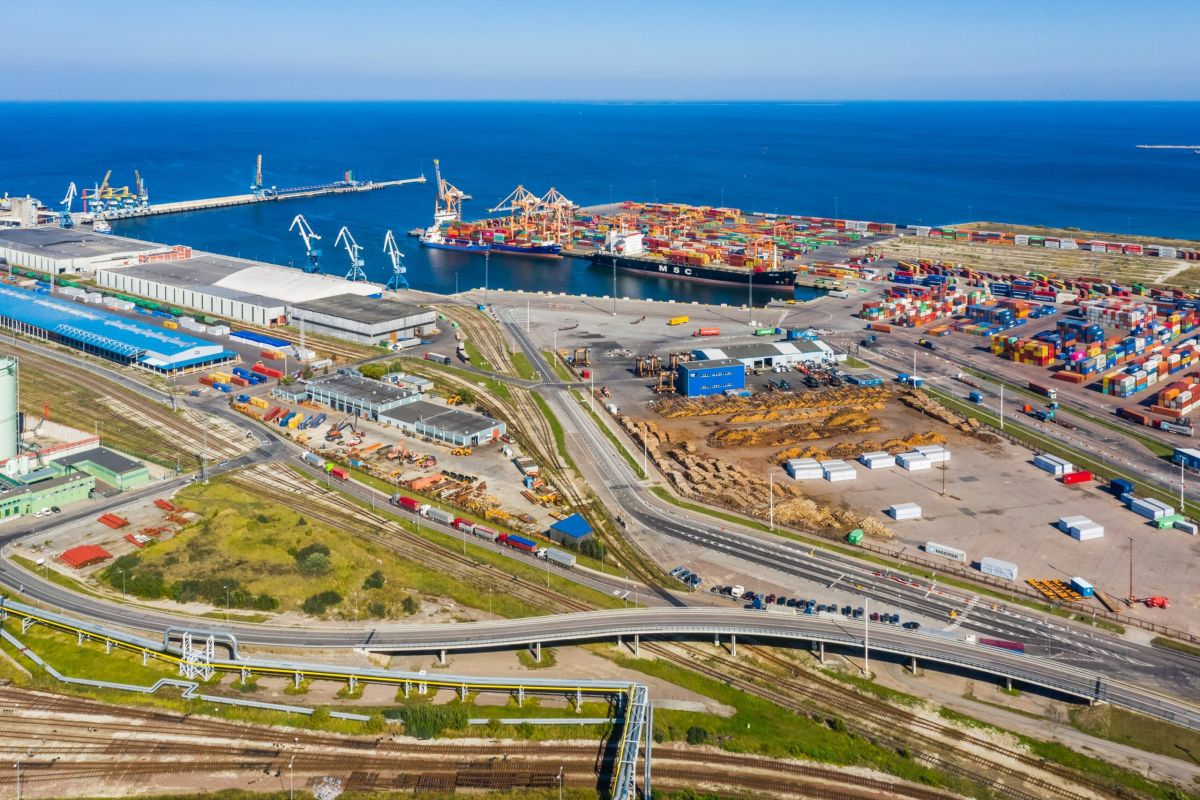
Rail Baltic Estonia has awarded a design contract for the connection of the Muuga freight terminal to the planned Rail Baltica line. The contract was signed with the Estonian engineering company AllSpark.
The contract covers the design of the approximately 16-kilometre-long section between Soodevahe and Muuga. The agreement is valued at nearly 2.9 million euros.
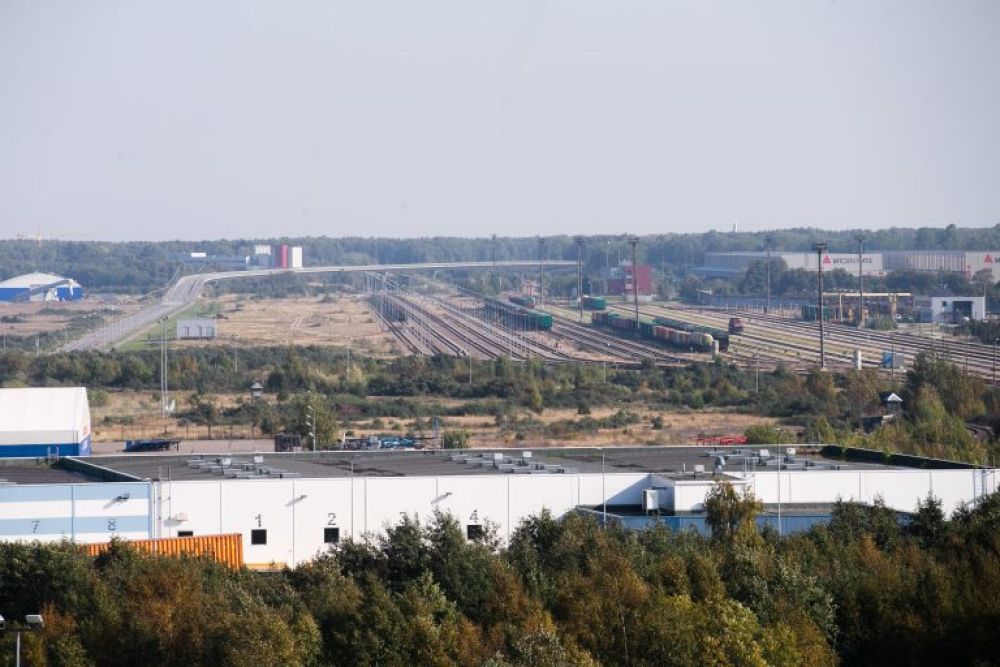
The planned rail section is designed exclusively for freight traffic. The project includes the construction of a new railway with a European standard gauge of 1,435 mm. The work also involves redesigning existing infrastructure affected by the construction, including sections of the current 1,520 mm gauge railway, intersecting roads, and utility networks.
Timeline and project progression
The design phase is scheduled for completion by September 2027. According to the project timeline, some parts of the design work are expected to be finalised earlier, which will enable construction activities to begin in 2027. The construction phase is planned to continue until 2030.
The project will not only cover the new rail connection but also integrate necessary supporting infrastructure. This will involve the design of service roads, noise barriers, culverts, and retaining walls along the new route. Additionally, the contract includes the design of a control centre and a depot building in the Muuga freight terminal area.
Muuga Harbour overview
Muuga Harbour is the largest cargo port in Estonia, located approximately 17 kilometres east of Tallinn. It is part of the Port of Tallinn and is one of the deepest and most modern ports in the Baltic Sea region, with natural depths reaching up to 18 metres. Muuga Harbour plays a key role in handling transit-origin goods and accounts for around 50% of the total cargo volume of the Port of Tallinn, as well as approximately 40% of the transit cargo volume passing through Estonia.
The port is equipped to manage various types of cargo, including liquid bulk, containers, dry bulk such as fertilisers, grain, and gravel, general cargo, and Ro-Ro transport. The harbour features an extensive free zone that allows for simplified customs procedures, ownership transfers, and value-added operations without import VAT on goods temporarily processed and exported from Estonia. Muuga Harbour also offers considerable space for future development and is part of the Trans-European Transport Network (TEN-T) Core Network. The Muuga Industrial & Logistics Park is located within the harbour area, providing opportunities for companies requiring direct port access for logistics or production activities.