The acquisition of Martin Enterprises by SeaCube Container Leasing highlights a logistics segment that is increasingly relevant for rail freight operators serving major ports and inland distribution corridors. While the transaction is not rail-specific, it reinforces the importance of container-based cold storage as part of intermodal transport chains where rail plays a key role.
Martin Enterprises operates a fleet of portable refrigerated containers and a large cold-storage yard in the Los Angeles region, one of North America’s most important gateways for containerised freight. The area is also a critical rail hub, connecting the ports of Los Angeles and Long Beach with inland terminals across the western and central United States. Facilities of this type are commonly rail-served or rail-adjacent, enabling temperature-controlled cargo to shift efficiently between ship, rail and truck.
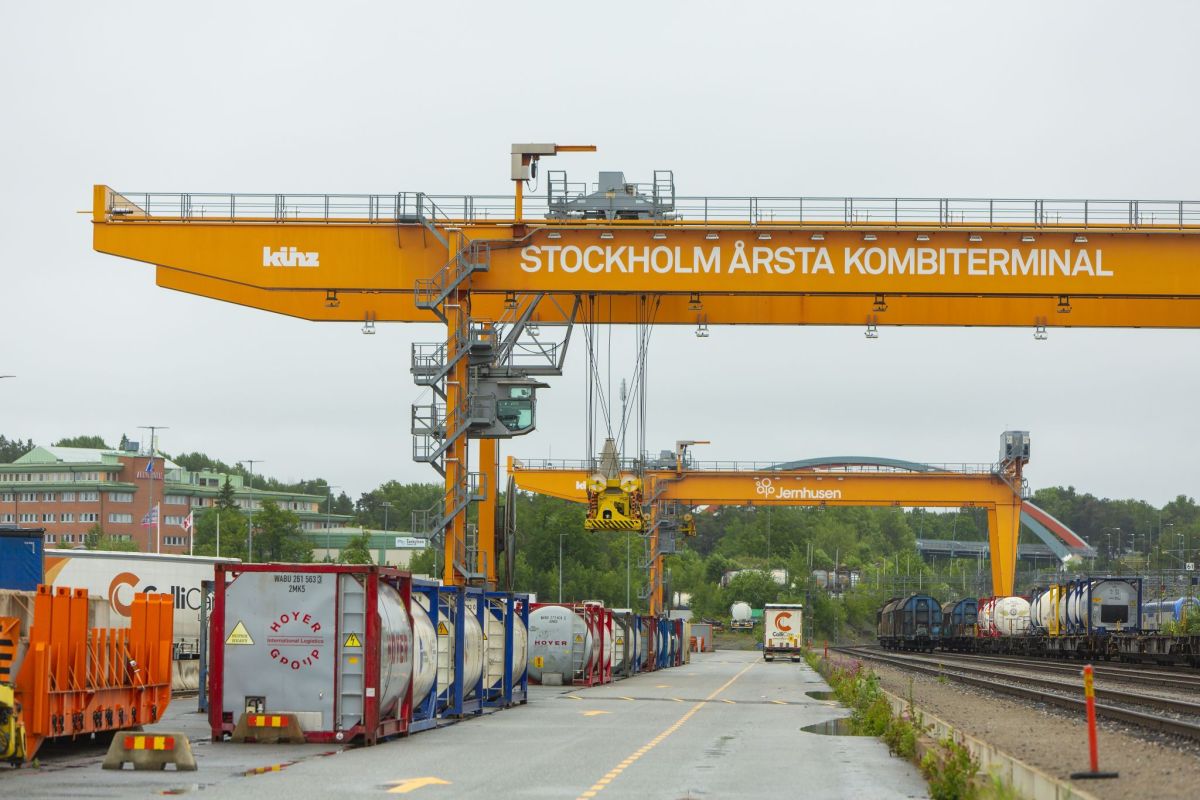
For rail freight, cold-chain logistics remains a niche but growing market. Food, agricultural products and pharmaceuticals increasingly rely on intermodal solutions that reduce road dependency while maintaining strict temperature requirements. Portable cold-storage containers can be positioned at or near rail terminals, allowing operators to consolidate volumes, manage dwell times and reduce pressure on port storage capacity.
From an infrastructure perspective, the deal illustrates how non-rail assets can still influence rail utilisation. Rail operators benefit when port-side and hinterland logistics facilities are designed around container flows that can be transferred directly onto trains, supporting longer-haul movements where rail is most competitive. This is particularly relevant on congested West Coast corridors, where shifting cargo from road to rail is a strategic objective for both operators and public authorities.
The transaction also reflects a broader trend in which logistics and container leasing companies expand beyond pure equipment provision into integrated storage and handling services. For the rail sector, this integration can improve reliability and predictability in intermodal chains, especially for time-sensitive and high-value cargo.
While the acquisition itself does not change rail capacity or infrastructure, it underscores how investments in port-linked logistics assets can indirectly support rail freight growth. As intermodal volumes evolve and supply chains become more specialised, rail-adjacent cold-chain facilities are likely to remain an important enabler for shifting suitable freight from road to rail.