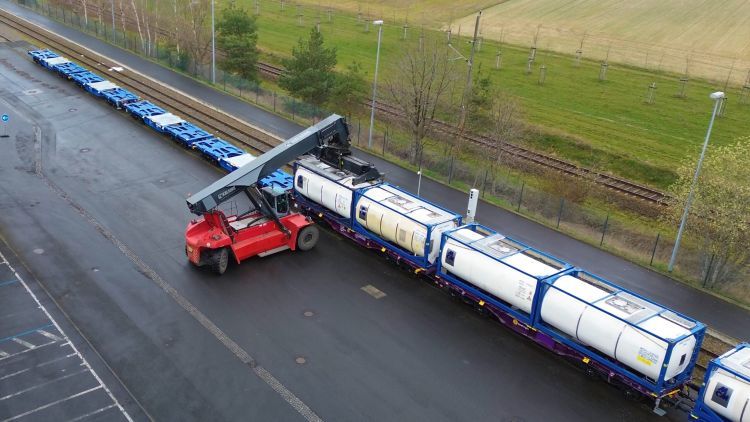
Innofreight, in partnership with Kronospan, has initiated a significant shift in the logistics strategy by moving glue transport from road to rail.
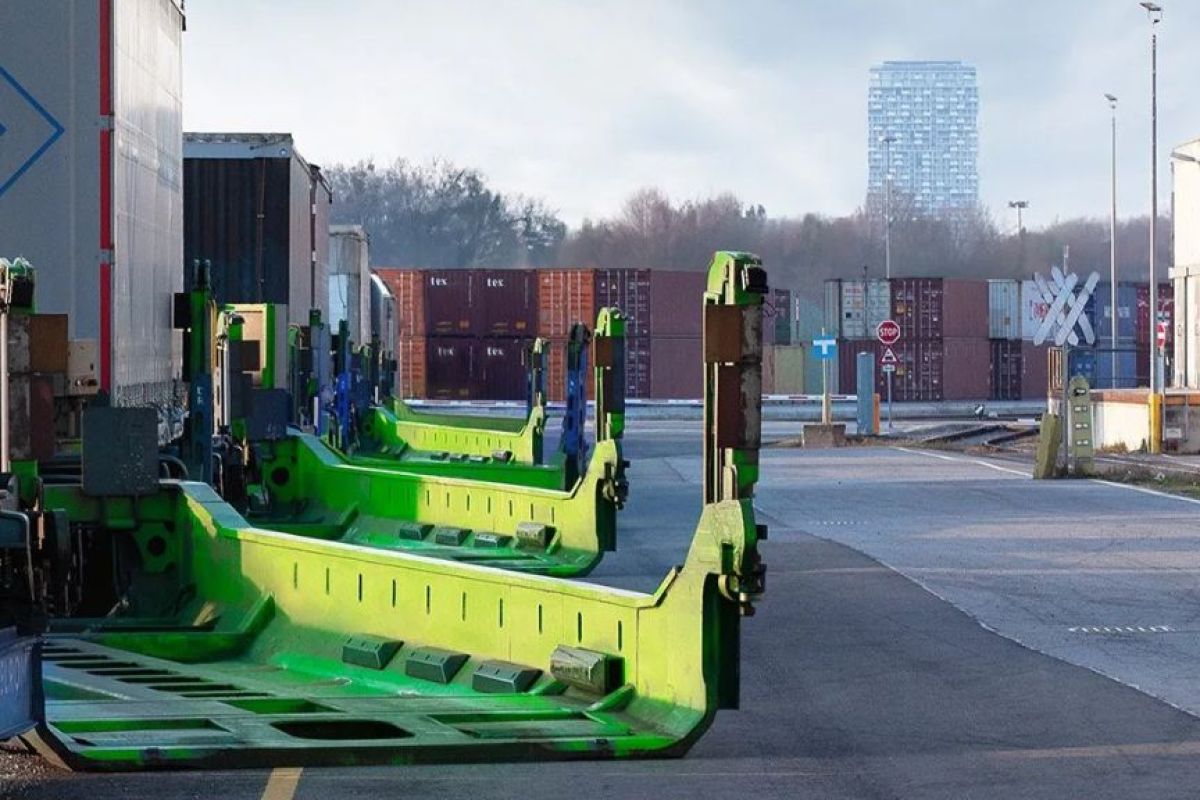
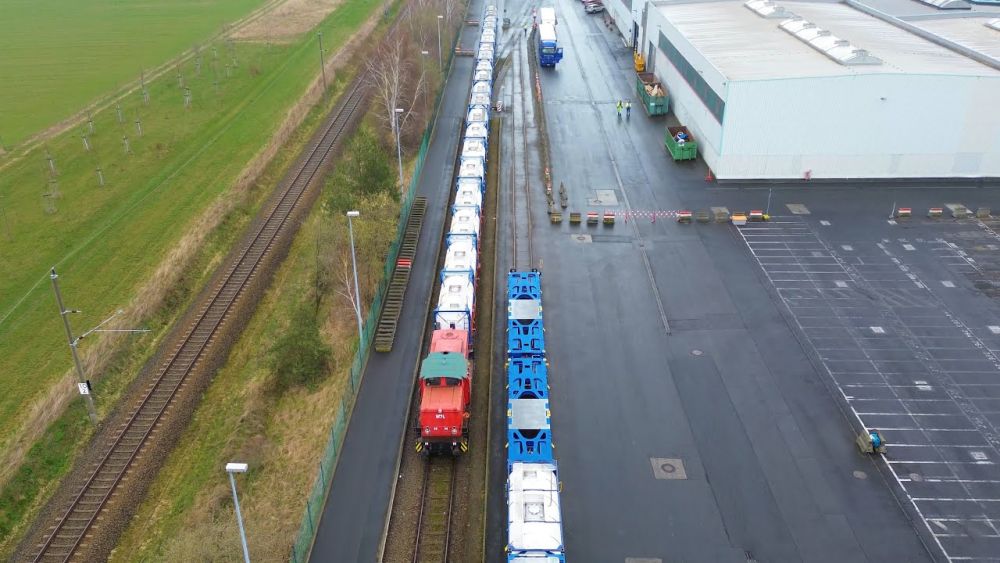
The project shifts away from the conventional transport method, where glue needed for chipboard production at Kronospan’s Salzburg plant was moved by 40 weekly truck trips from Lampertswalde near Dresden in Germany. This process has been transformed since mid-February 2024 in favor of rail transport, with a block train consisting of ten 2×40 ft InnoWaggons equipped with ISO tank containers now handling the once-weekly delivery of 1,000 tons of glue.
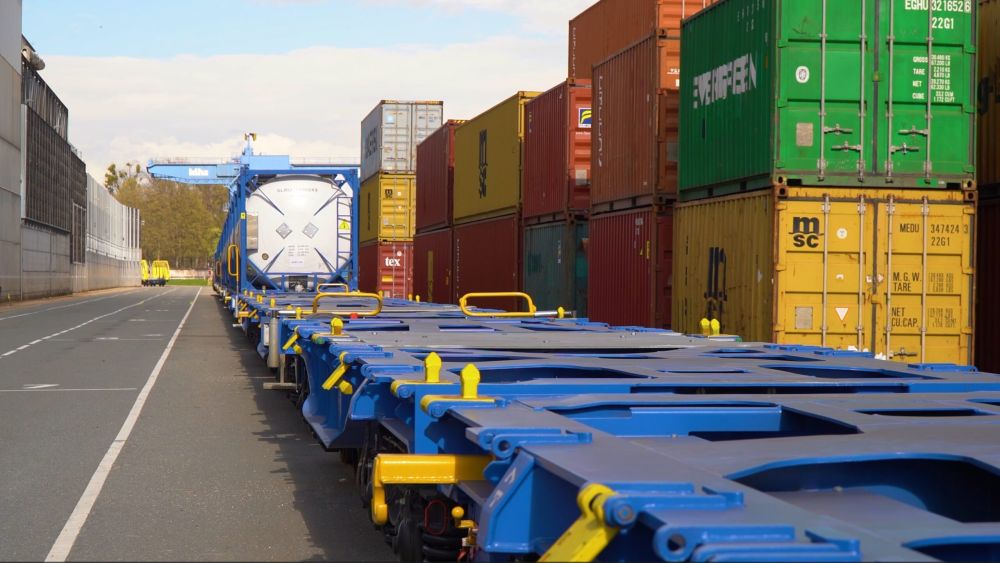
This logistical adjustment is not just a change in transport mode but also a significant step towards sustainability. By adopting rail solutions, Innofreight helps reduce CO2 emissions by about 80 percent. This shift is projected to decrease the annual number of trucks on the road by 2,800, thereby transferring 65,000 tons of goods to rail transport each year.
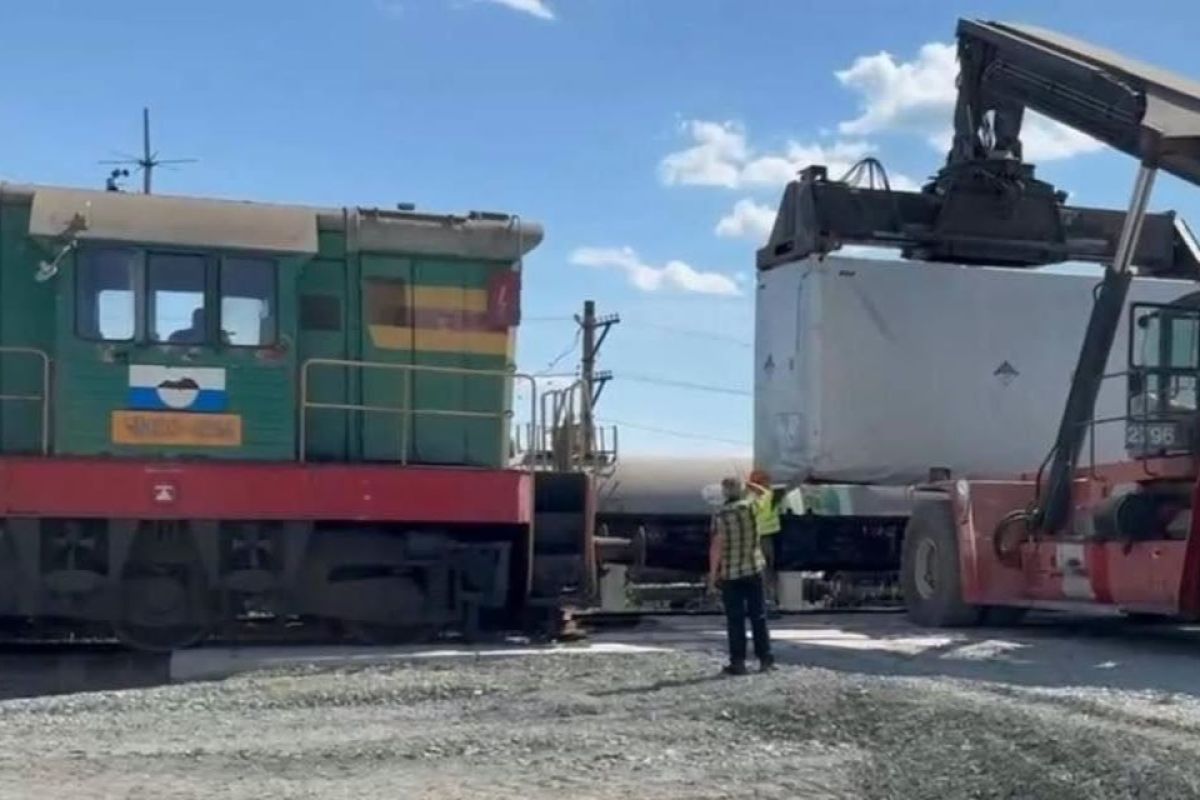
After a 600 kilometre journey, the tank containers are unloaded at the Container Terminal Salzburg. Malta Multi Modal highlights the advantages of a block train use instead of single wagonload traffic. The block train can be adjusted at any time, whether it comes to number of containers, or the route taken. The train can be extended by seven more wagons, potentially serving more Kronospan sites. The multimodality and the use of flat wagons also enables complementing the tank containers by other types of containers too.
The aim of this collaboration among Innofreight, Malta Multi Modal, and Kronospan is to develop logistics solutions that meet future demands and enhance sustainable practices across the production chain. This approach ensures that Kronospan can continue to use wood efficiently, a vital resource in their manufacturing process.