Austria and Slovakia have signed a joint declaration of intent to expand cross-border rail transport, with a focus on links between Vienna and Bratislava and wider international corridors.
Better connection via Marchegg
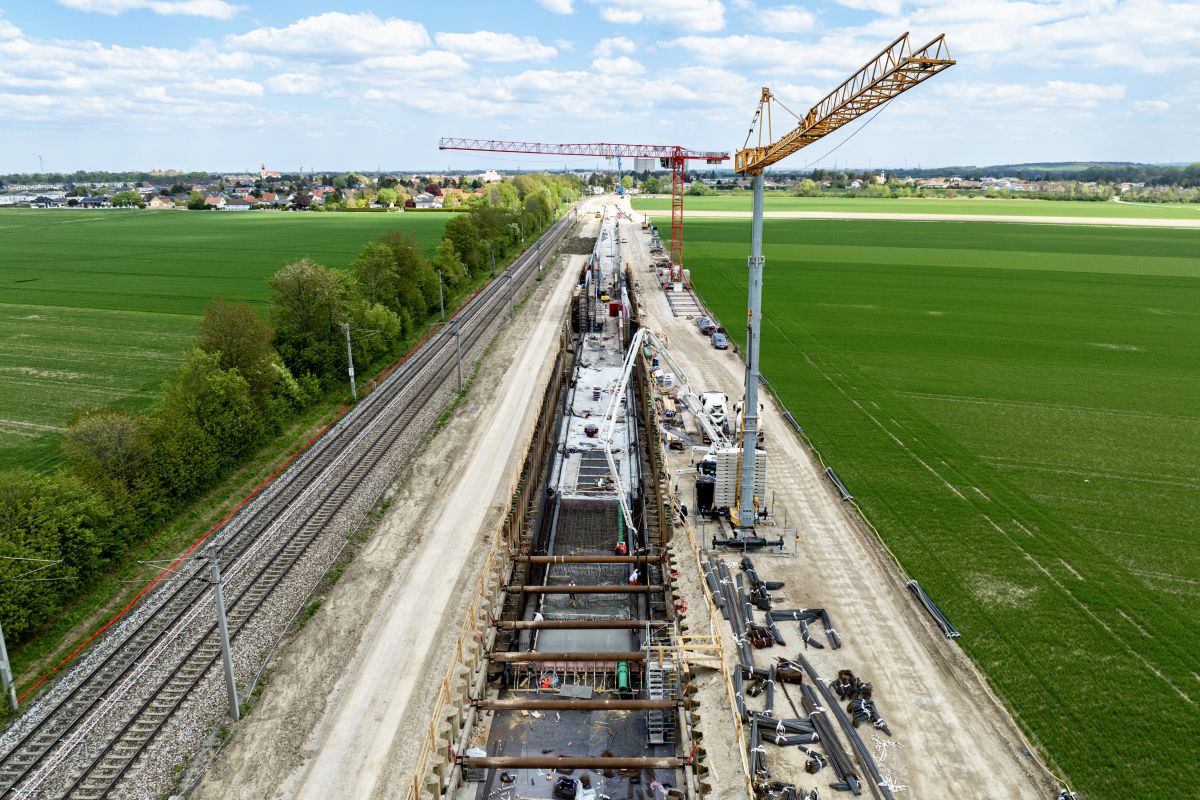
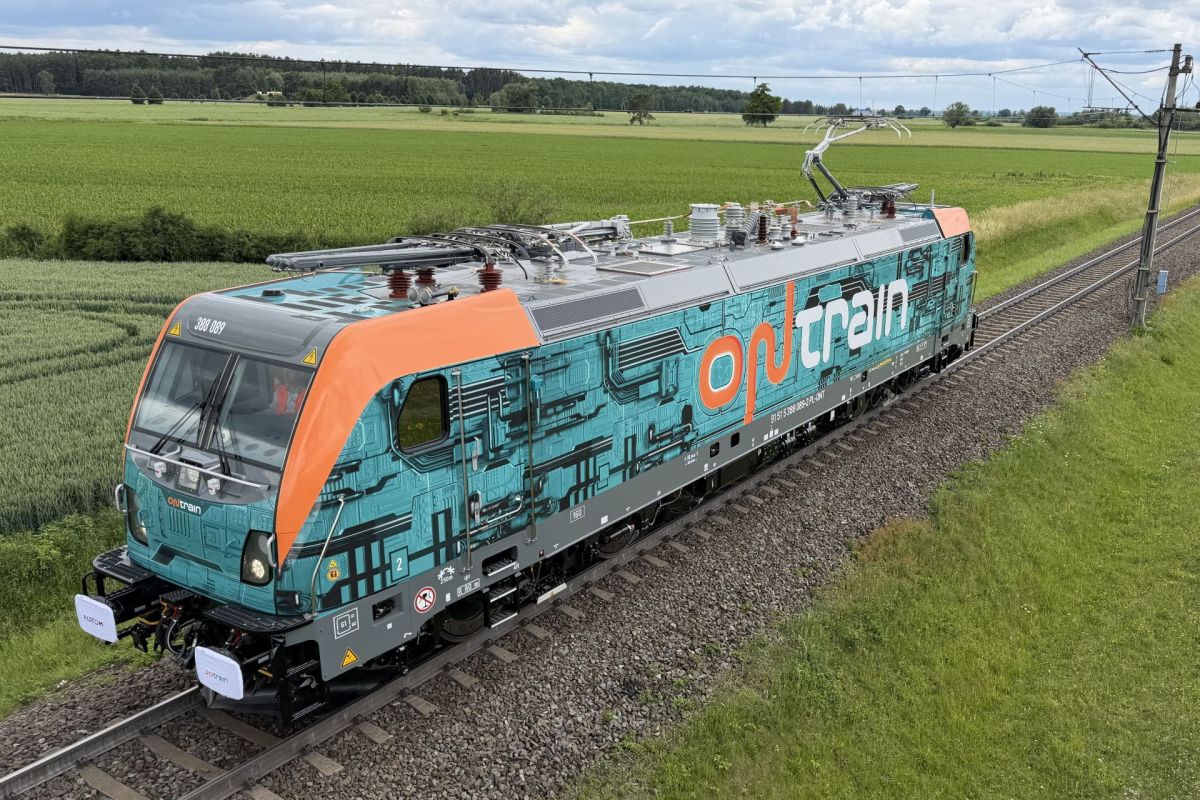
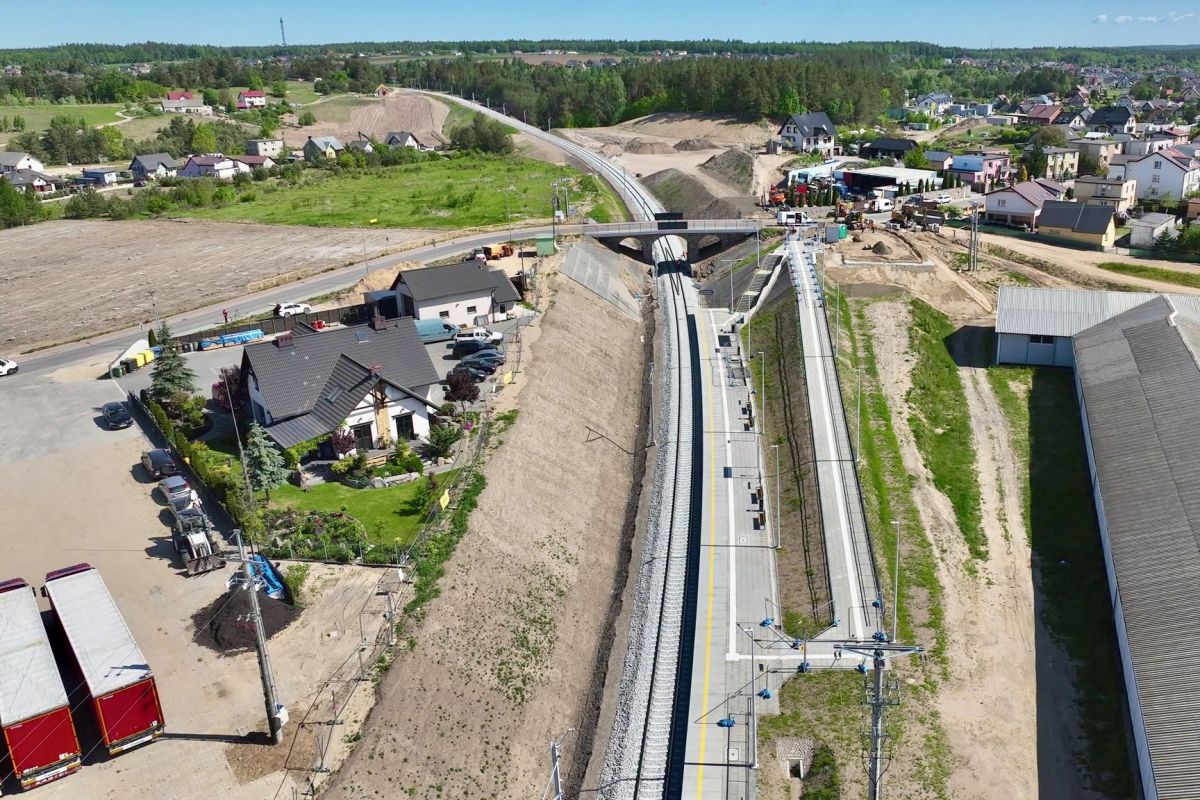
A central project is the Vienna–Bratislava connection via Marchegg, which was electrified and modernised in 2025. Both sides are preparing to introduce an hourly service throughout the day from 2026. On the Slovak section between the border and Devínska Nová Ves, double-tracking and installation of the European Train Control System (ETCS) are being advanced.
Improved access to Vienna airport
The ministers also addressed improved rail access to Vienna Airport. Austria is planning a new line from Vienna Airport to Bruck an der Leitha and a double-track expansion between Parndorf and the border near Kittsee. Slovakia is pursuing long-term plans to double-track the line between Bratislava Petržalka and the border near Kittsee. Full ETCS deployment along the corridor is intended to support cross-border operations, including potential direct services between Vienna Airport and Bratislava Petržalka.
High-speed network integration
The declaration also refers to integration into the European high-speed rail network. Austria plans to raise maximum speeds on the Vienna–Marchegg line to up to 200 km/h, while Slovakia is considering a high-speed line between Bratislava and Kúty with onward connection to the Czech Republic. Longer-term concepts include new international long-distance services via a proposed Bratislava West station.
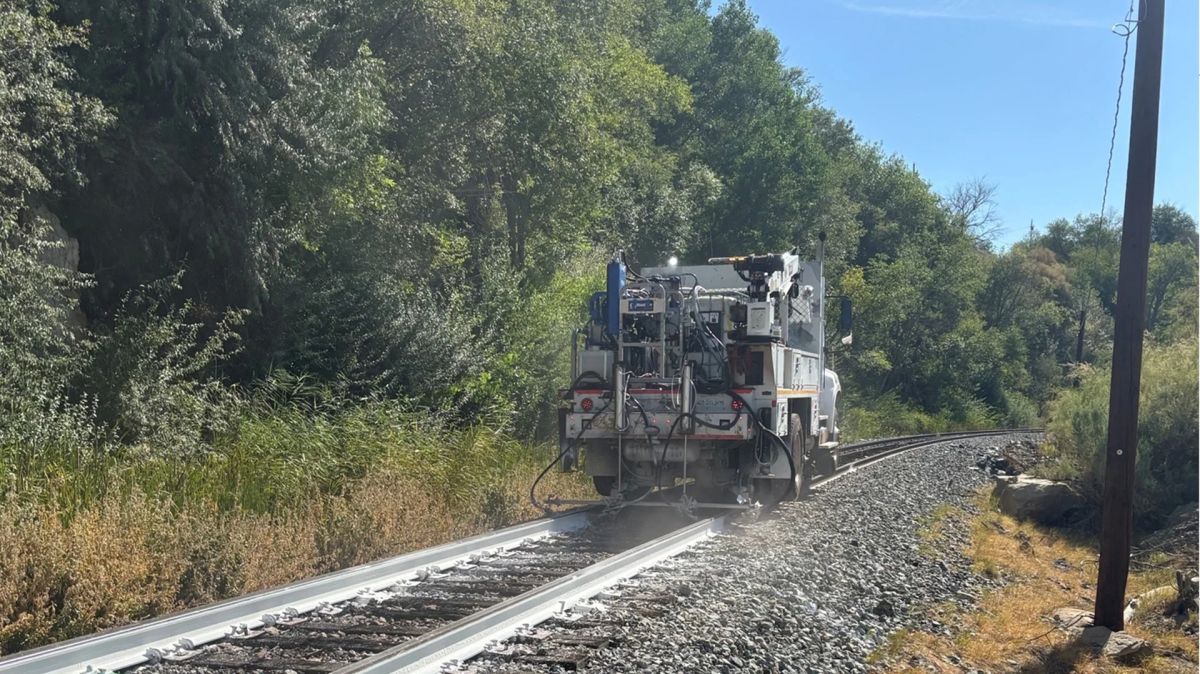
Modernisation of the Northern Railway between Vienna and the border near Břeclav was also discussed. Both countries intend to coordinate construction schedules to limit disruption to passenger and freight traffic, with Slovakia indicating it could provide diversionary capacity if required.