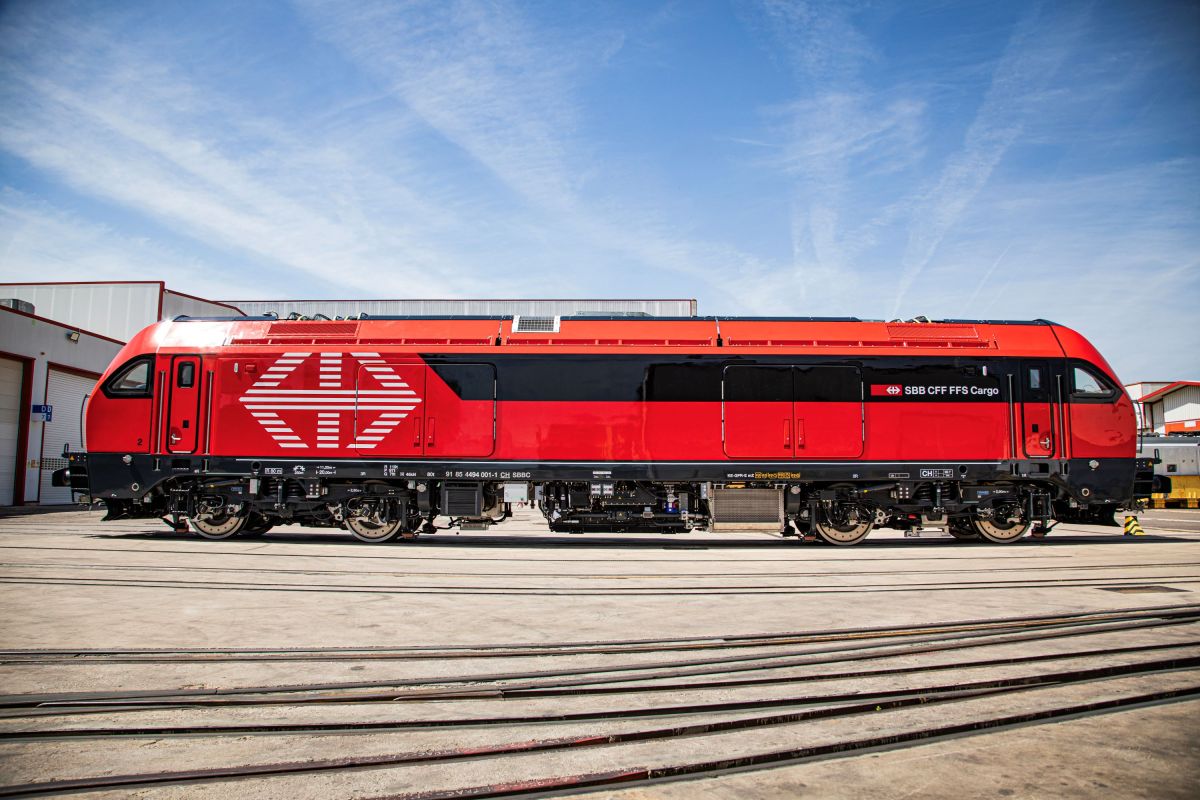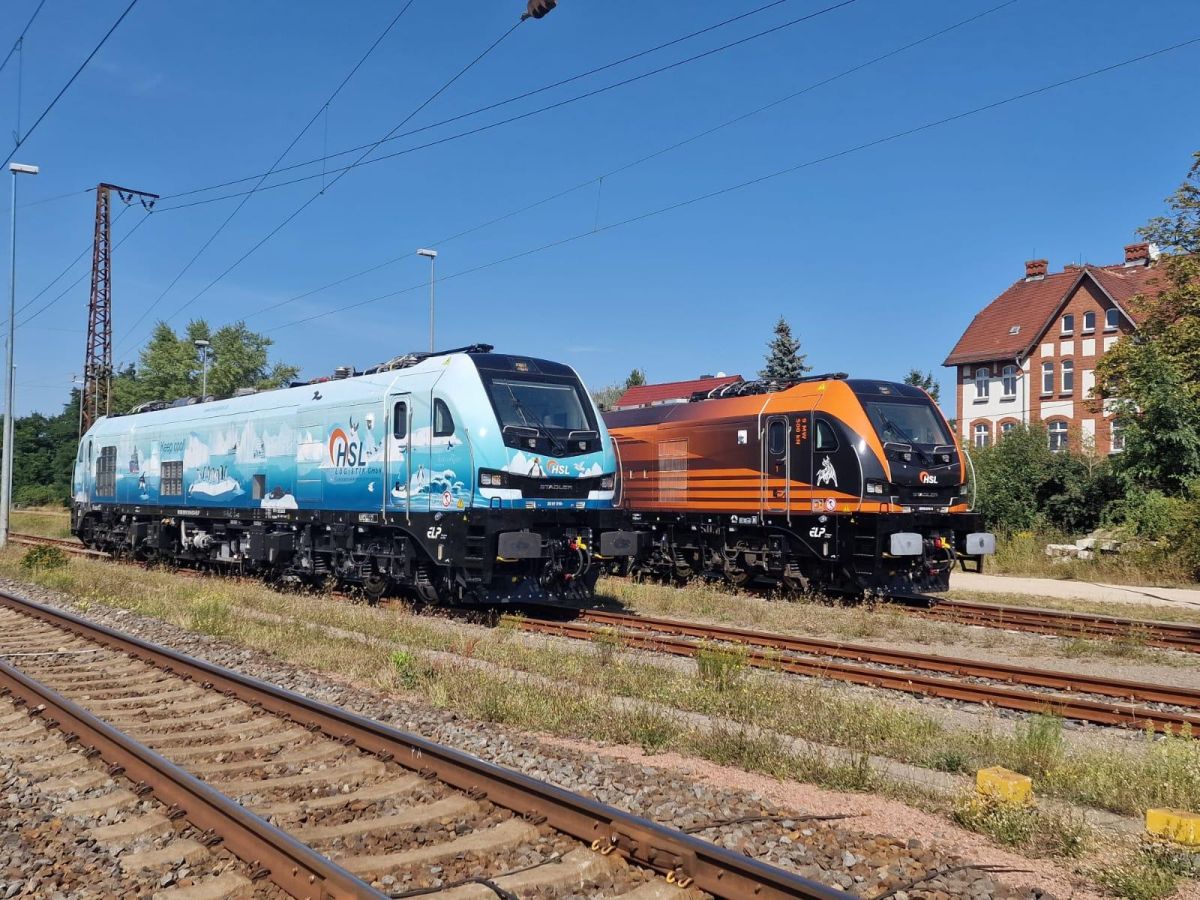
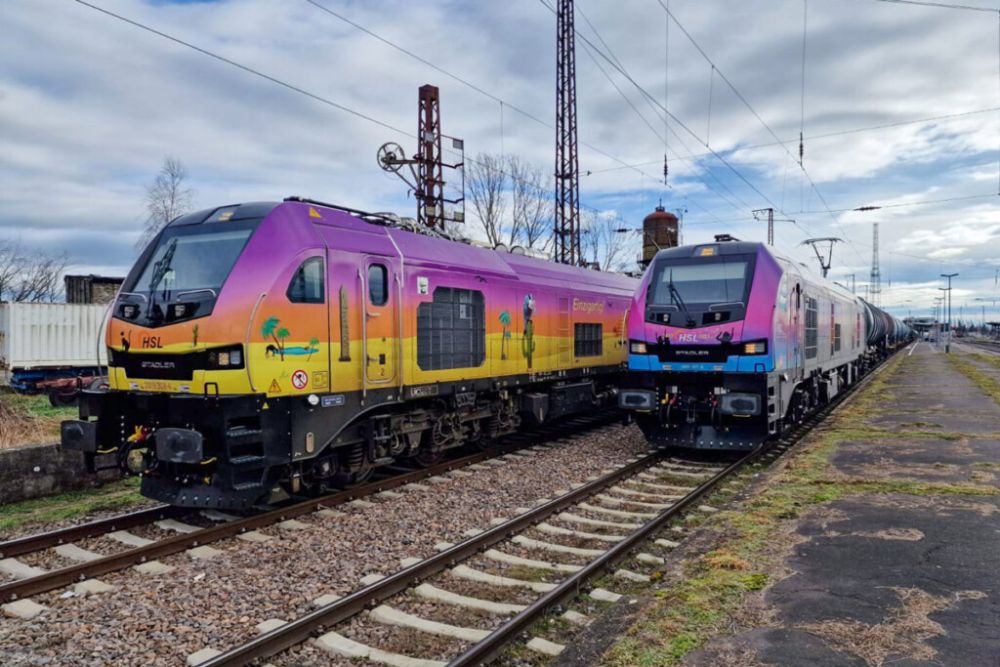
Railmarket: Since when has HSL Logistik been using the Euro9000, and where was it first put into service?
Michael Steinhäuser: We started using it gradually in 2023. At first, the Euro9000 ran on international routes between Germany, the Netherlands, Belgium, and Switzerland. It was used mainly for heavy freight and corridor trains, and also for services close to last-mile operations.
Railmarket: What expectations did you have when deciding to lease the Euro9000 from ELP?
Michael Steinhäuser: We wanted a locomotive with strong multi-system power, plenty of traction reserves, and reliable availability. In short, a machine that gives us measurable capacity and helps maintain punctuality as we continue to grow.
Railmarket: What were the main factors that led you to choose this model?
Michael Steinhäuser: The key points were traction power—up to 9 megawatts—multi-system capability, the last-mile function, ELP’s service package, and a convincing total cost of ownership profile that fits the current ECM standards.
Railmarket: How does the Euro9000 perform in daily operation compared with other locomotives in your fleet?
Michael Steinhäuser: It performs very well. It’s strong, stable, and predictable. We need fewer locomotive changes, have fewer disruptions in dispatching, and we see a noticeable improvement in punctuality.
Railmarket: On which routes or train types does it bring the greatest advantage?
Michael Steinhäuser: It performs best on long, heavy corridor trains that cross national and system borders. It’s especially effective on north–south routes with intensive shuttle traffic, for example during the sugar beet season.
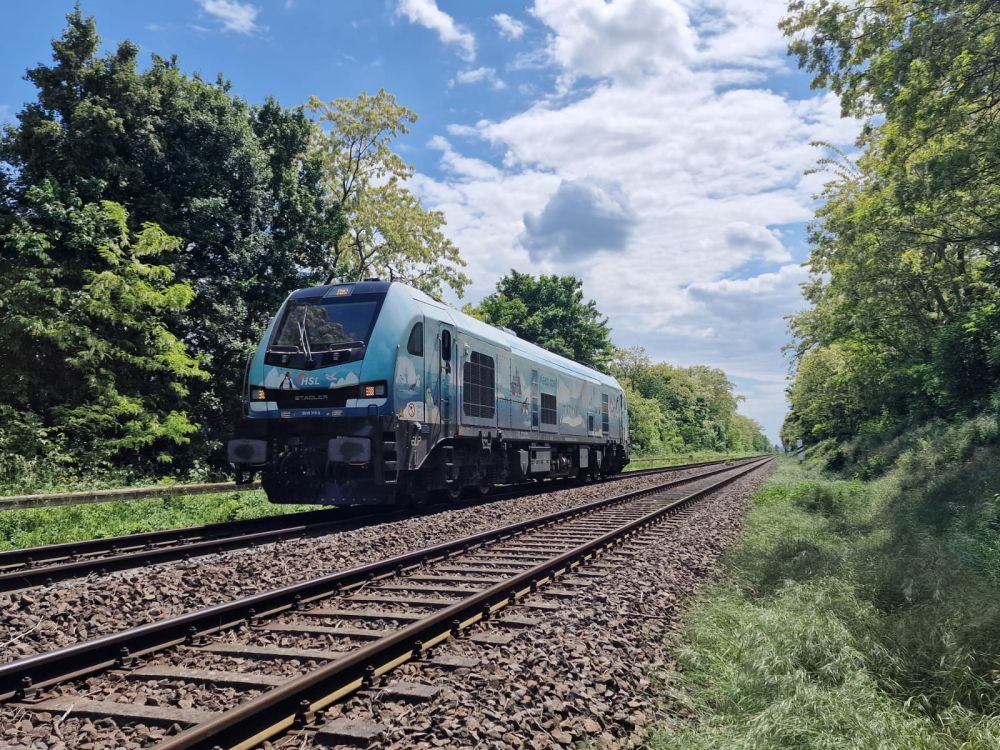
Railmarket: How does it handle steep gradients or heavy loads?
Michael Steinhäuser: Very confidently. It has strong starting traction, smooth slip control, and consistent performance—exactly what is needed when every tonne matters.
Railmarket: How do your drivers and operations teams describe the Euro9000 in terms of comfort and usability?
Michael Steinhäuser: They describe it as “power under control.” The cab is ergonomic, visibility is good, and the assistance systems are practical. The last-mile flexibility is also highly appreciated.
Railmarket: Have you noticed any measurable results in energy efficiency or operating costs?
Michael Steinhäuser: Yes. The costs linked to locomotive changes have decreased, energy is used more efficiently—thanks to regeneration and steady timetables—and we have noticeably less idle time.
Railmarket: How would you describe the maintenance requirements compared with your other locomotives?
Michael Steinhäuser: Maintenance is easier to plan. The intervals are longer, based on condition, and we experience fewer unplanned workshop visits.
Railmarket: How does the Euro9000 support your international expansion and corridor operations?
Michael Steinhäuser: It makes interoperability a real, practical advantage. One locomotive can work across several systems, which means new service patterns can be introduced and scaled up quickly.
Railmarket: Has it opened new possibilities for planning or access to other countries?
Michael Steinhäuser: Yes. We can design more efficient duty cycles, use locomotives more intensively, and reach additional networks without needing separate fleets.
Railmarket: How does the Euro9000 fit into your overall fleet modernisation and sustainability strategy?
Michael Steinhäuser: It’s a key part of it. Fewer traction changes mean fewer shunting moves, energy use is more efficient, and it’s built on a modern, ECM-compliant platform.
Railmarket: Are you planning to lease more Euro9000 locomotives in the near future?
Michael Steinhäuser: Not at the moment.
Railmarket: In your view, what kind of railway companies benefit most from using this locomotive?
Michael Steinhäuser: Companies that run long, heavy, cross-border services—especially those that face system changes or challenging gradients.
Railmarket: What advice would you give to operators who are thinking about leasing the Euro9000?
Michael Steinhäuser: Think from the use case. Combine your corridor flows, simplify your duty cycles, and focus on total cost of ownership instead of just the purchase price. That’s the way to make this locomotive work to your advantage.
Railmarket: Finally, how would you summarise your experience with ELP as a leasing partner?
Michael Steinhäuser: It’s been a partnership based on quick communication and practical solutions. The cooperation is smooth, the service agreements are clear, and implementation in daily operations works well.