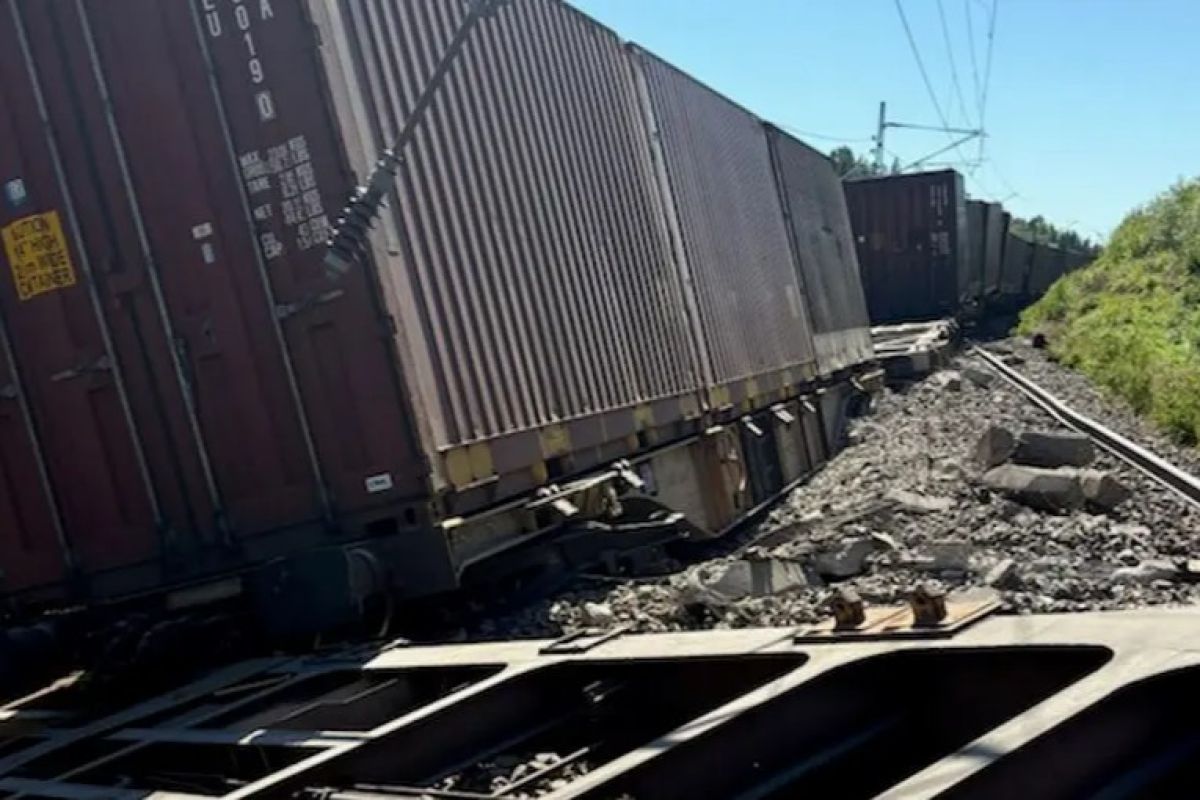
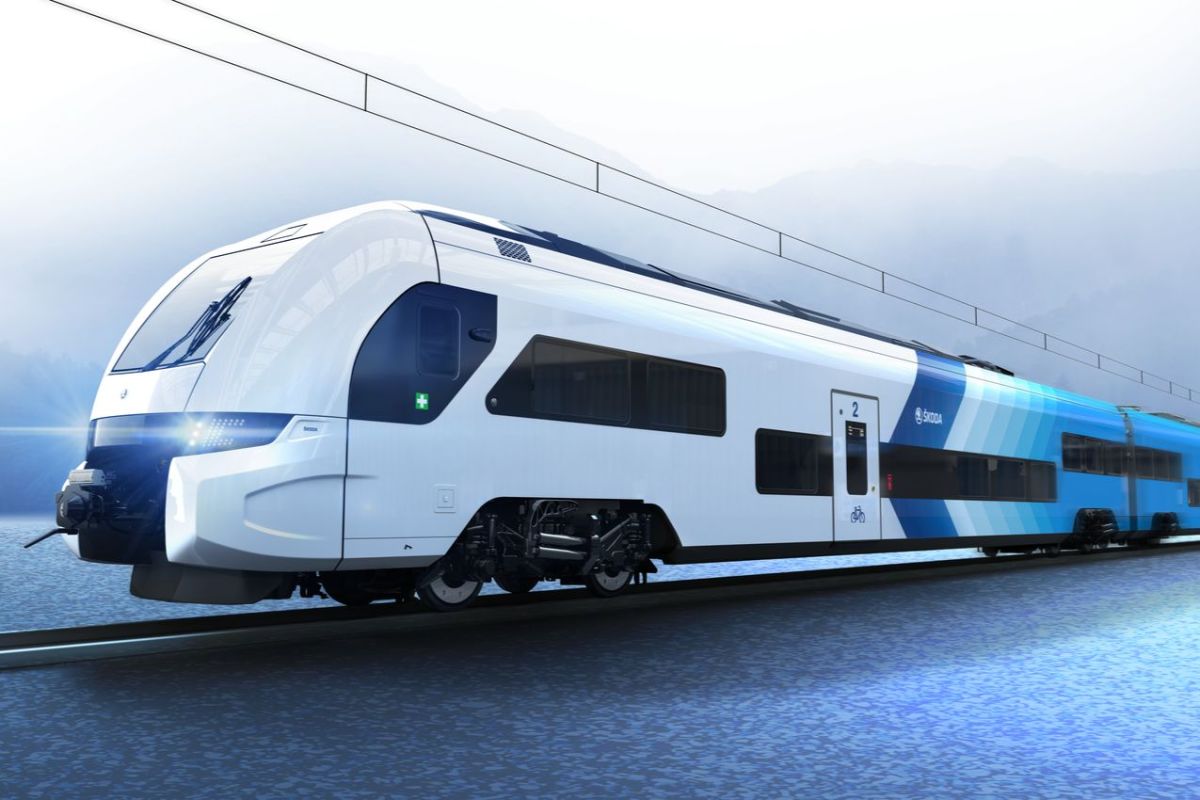
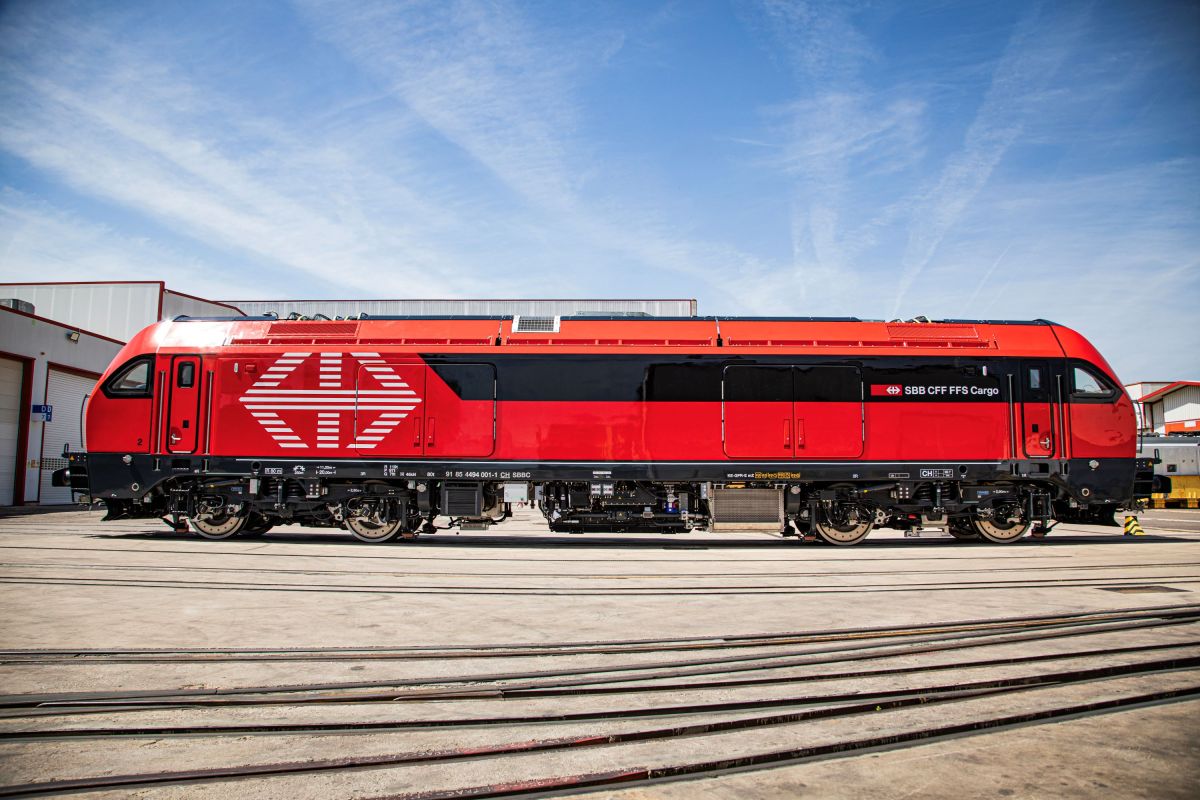
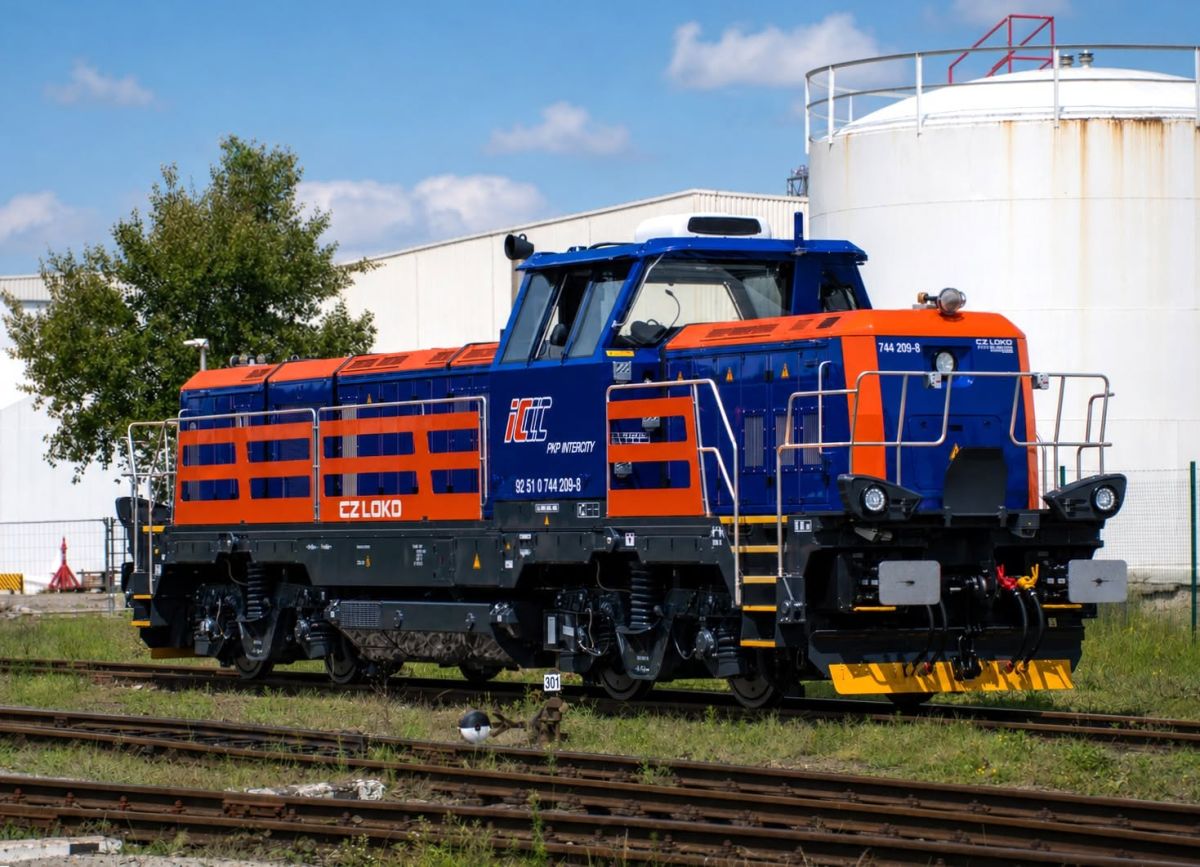
From 2028, the weight-based track charge (spåravgift) will be set at SEK 0.0178 per gross tonne-km for freight and service trains and SEK 0.0267 per gross tonne-km for passenger trains. The train path charge (tåglägesavgift) will be SEK 5.8 per train-km for all traffic.
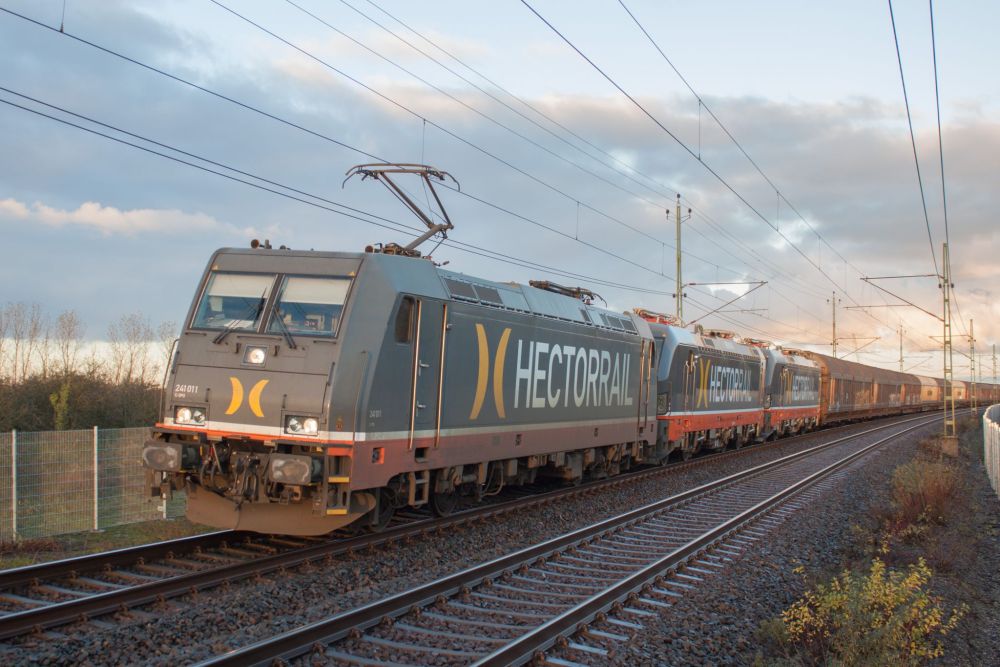
Freight: average 20% reduction
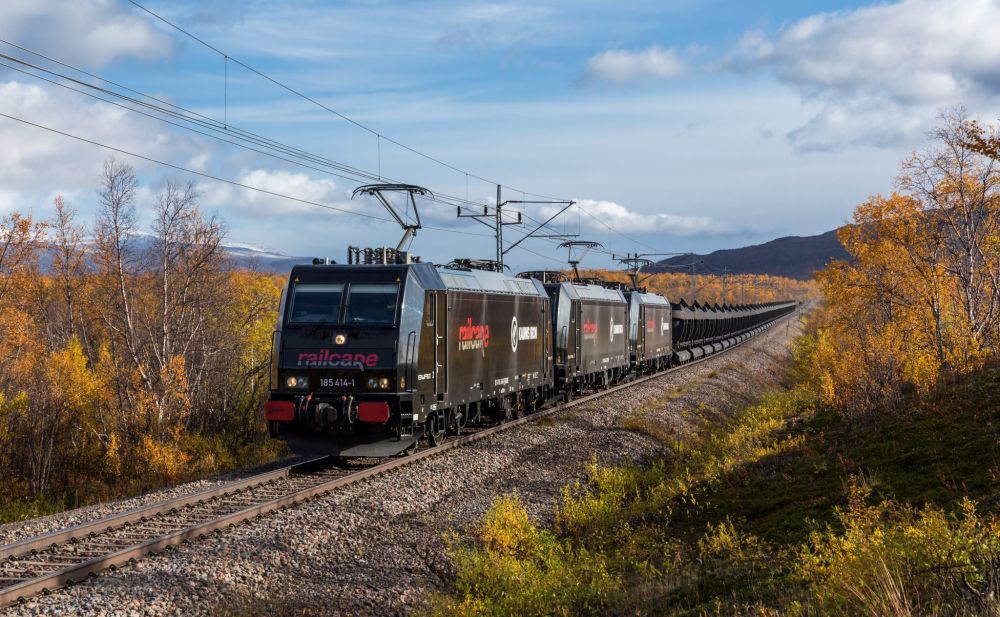
Compared with current levels, freight operators will see an average reduction of around 20%, with variation by segment. Malm traffic falls by 30%, system trains by 18%, long-distance wagonload by 15%, local wagonload by 11% and intermodal by 12%.
Freight charges decline primarily due to a lower weight-based component, despite the increase in the train-km charge from SEK 5.0 to SEK 5.8. For freight, the weight-based element accounts for more than 90% of total infrastructure charges.
Passenger: around 15% increase
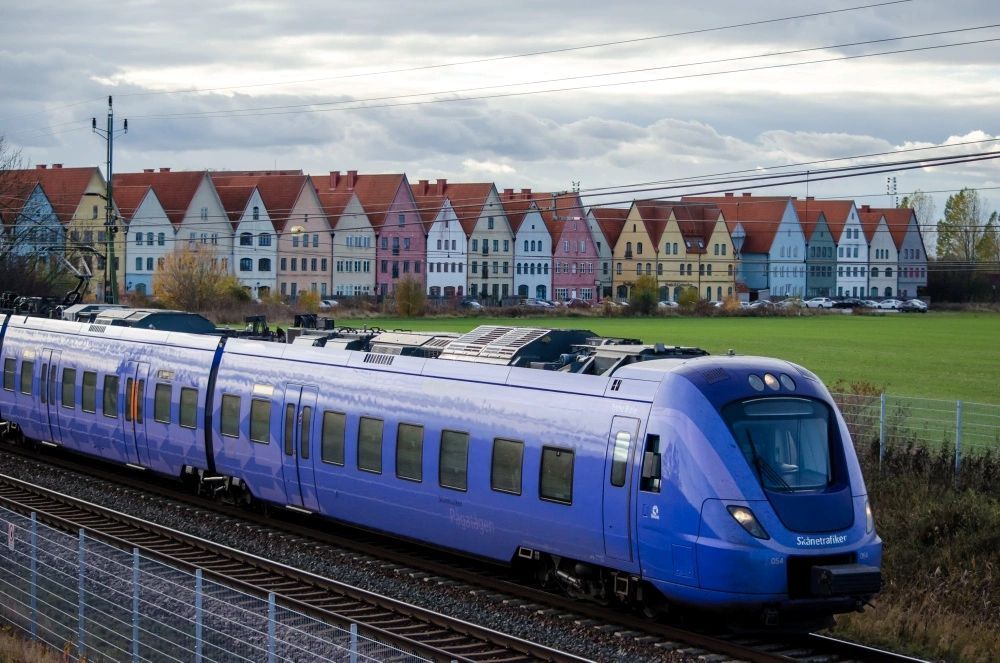
Passenger operators will face an increase of approximately 15%. Infrastructure charges account for about 11% of total operating costs in passenger traffic. Full cost pass-through would correspond to less than 1% higher ticket prices, according to Trafikverket’s assessment.
Shift from axle load to traffic type
The new structure removes differentiation by mean axle load and instead introduces differentiation between freight and passenger trains. Trafikverket concludes that passenger services generate higher marginal maintenance costs per gross tonne-km, linked to higher infrastructure standards on passenger-dominated lines.
The charges are based on cost data from 2011–2023 and econometric analysis of maintenance, reinvestment and traffic management costs. Trafikverket primarily relies on fixed-effects estimation for short-run marginal costs, with an adjustment for track maintenance reflecting evidence of higher costs associated with passenger traffic.
Socio-economic effects
The selected charge model results in a calculated net socio-economic effect of minus SEK 72 million compared with current charges. Freight customers’ transport costs decrease by about SEK 236 million, while passenger operators’ profits fall by approximately SEK 56 million. State budget effects are estimated at minus SEK 27 million.
The revised charges follow the full implementation in 2025 of higher freight fees derived from the 2018 study, after regulatory review by Transportstyrelsen. Urban passage fees and high-capacity surcharges were removed in 2024–2025.
Further work will examine potential capacity-based charges and alternative financing mechanisms under the Railway Market Act.