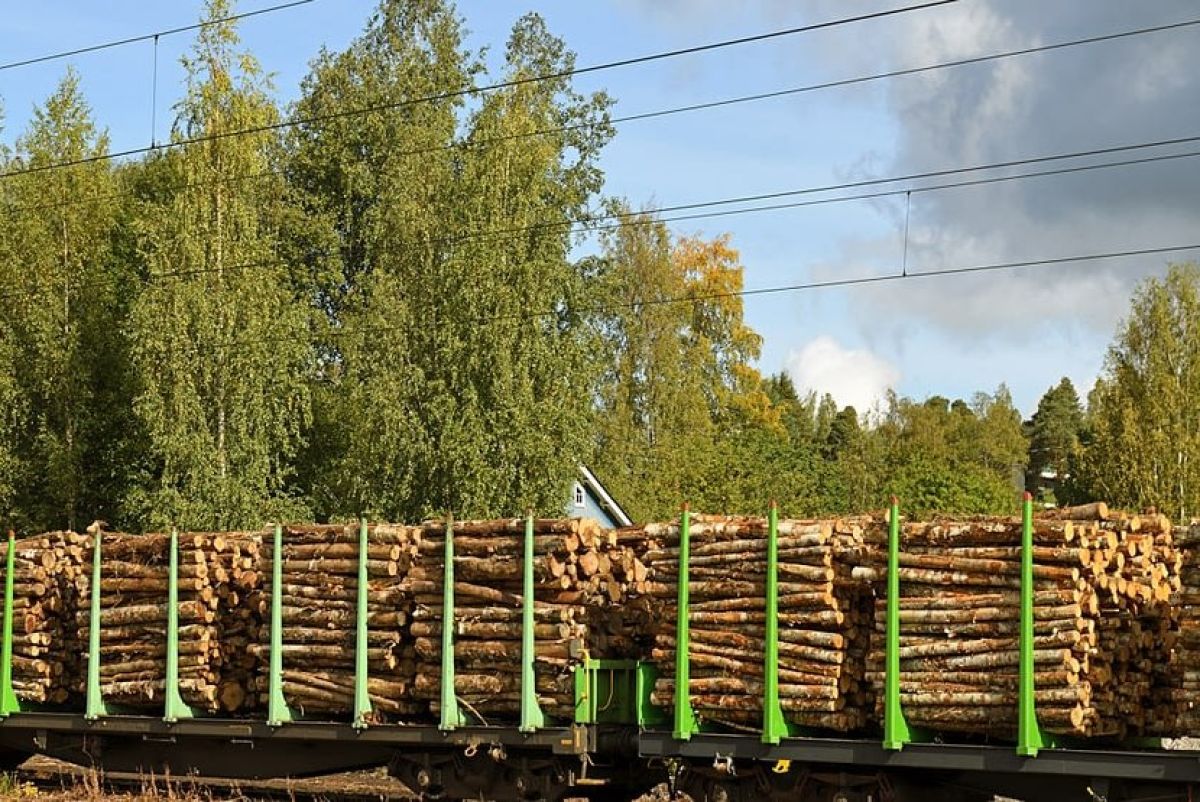
A new emissions scenario study commissioned by the Finnish Forest Industries Federation and conducted by AFRY Management Consulting outlines options for reducing logistics-related emissions in the forest sector by 2035.
Rail freight identified as key lever for emissions reduction
According to the report, logistics related to the Finnish forest industry generated 1.9 million tonnes of CO₂ emissions in 2022. Over half of these emissions originated from maritime exports, while the rest came from raw wood transport and domestic distribution. Within this framework, long-haul trucking was a major contributor, with combination vehicles alone responsible for 22% of total logistics emissions.
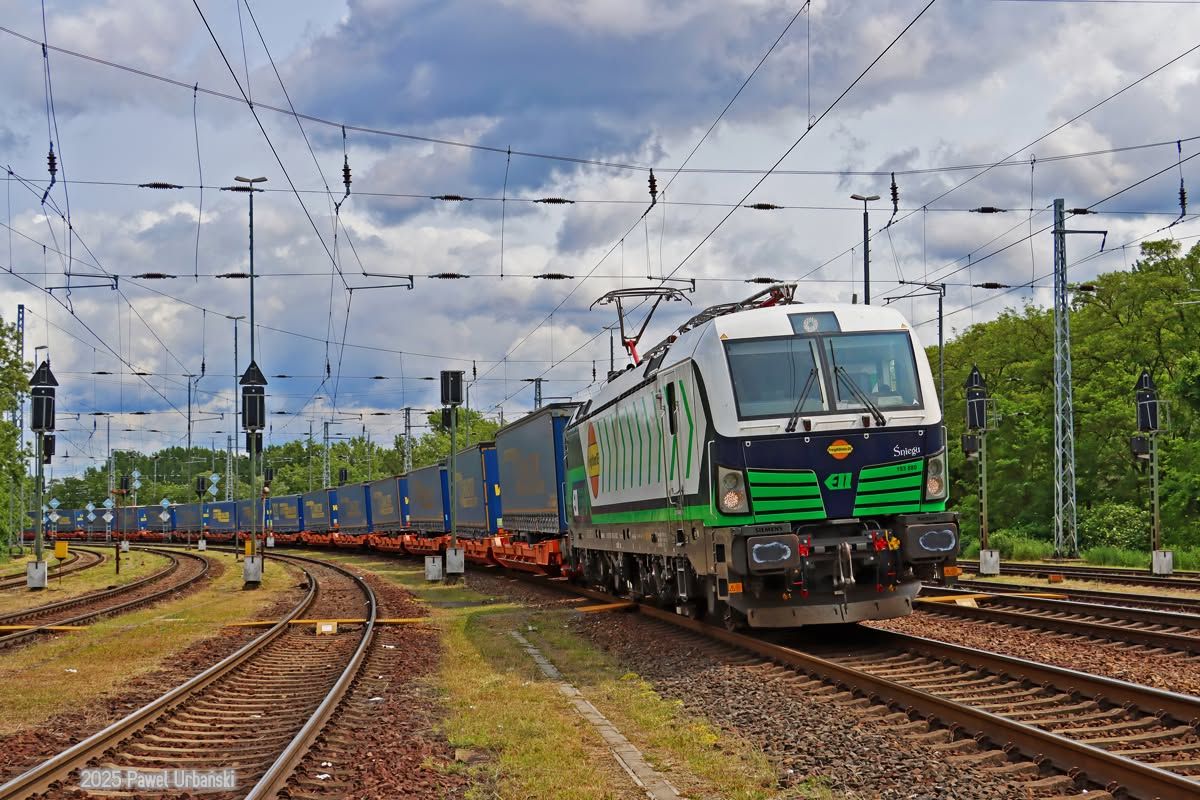
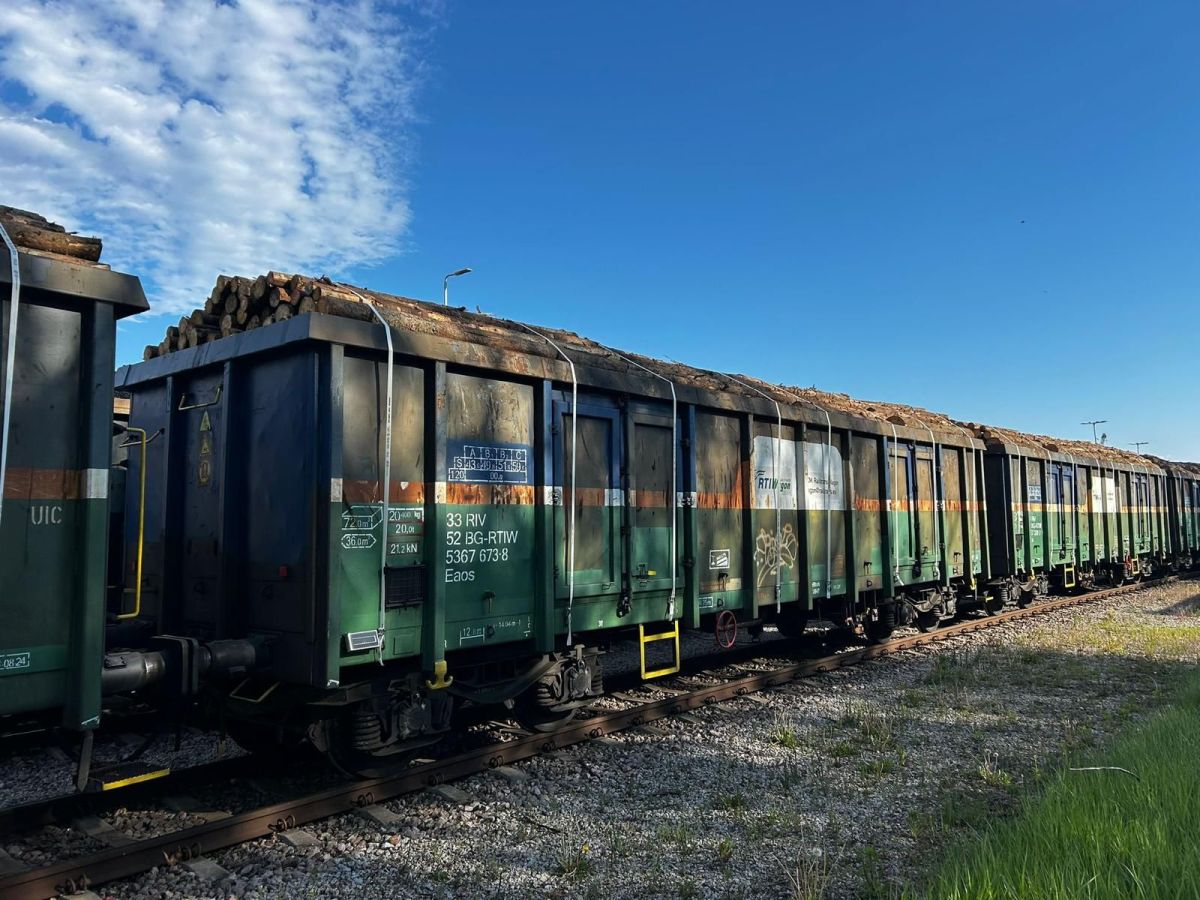
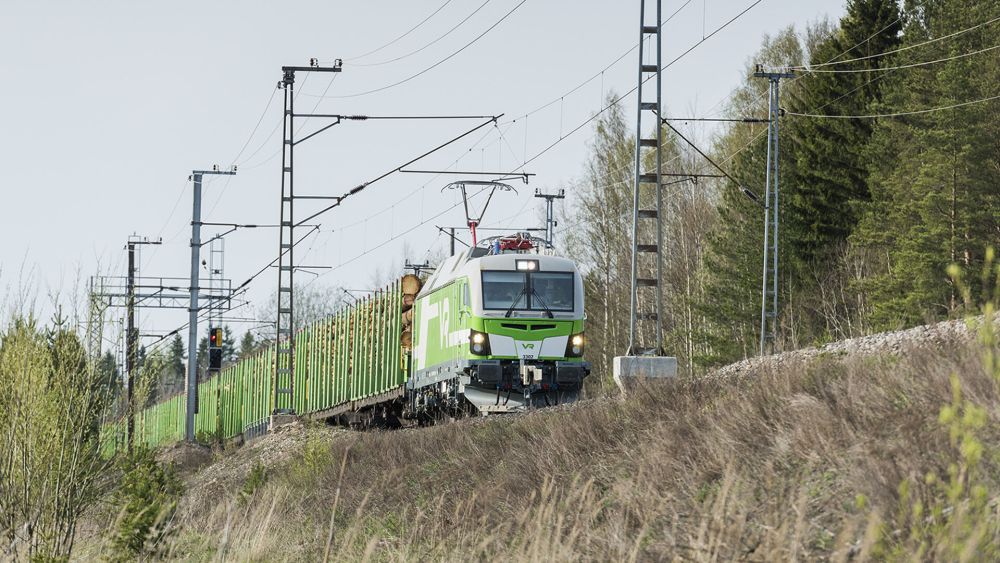
A transition to rail is projected to reduce timber transport emissions by approximately 50% by 2035. Rail’s lower carbon intensity per tonne-kilometre, combined with infrastructure and terminal investments, is seen as a way to decrease truck dependency for long-distance movements. The report suggests that volumes of raw wood transported by rail could rise from 14 million cubic metres in 2022 to 25 million cubic metres by 2035.
Daily truck traffic around mills and on main roads could decrease by up to 700 vehicles under this scenario. This would allow remaining road-based resources to be concentrated on shorter hauls, such as from forests to rail terminals, improving resource allocation in an environment where driver and vehicle availability is expected to decline.
Policy measures carry high cost but limited emissions impact
National and EU-level climate regulations, including the ETS2 mechanism and maritime emissions trading, are expected to deliver an overall 20% reduction in forest industry logistics emissions by 2035. However, their cost-efficiency is questioned. For instance, ETS2 may drive up fuel prices in Finland without guaranteeing corresponding emissions reductions within national borders.
Maritime measures such as the FuelEU Maritime regulation and ETS for shipping are projected to lower emissions by only a few percent each, while increasing logistics costs, particularly for long-distance exports. The study notes that these tools have a higher financial burden for Finland compared to competitor countries.
Other measures: Incremental but necessary
In addition to the modal shift to rail, the report reviews a portfolio of complementary actions:
- HCT combinations: Heavier truck combinations are already used in pilot form in Finland and could help reduce emissions by ~29 kt CO₂ if further adopted, though limited by bridge and road load capacities.
- Rail electrification: Electrifying key lines such as the Kontiomäki–Joensuu route would support lower-emissions rail operations but comes with an investment estimate of €140 million (shared across public and private actors).
- Fuel switch and efficiency: Moderate emission cuts are possible via improved energy efficiency of machinery and logistics assets, including forest harvesters and terminal equipment, though such changes offer relatively smaller returns.
Overall, targeted public investment and improved coordination between state actors, railway undertakings, and the forest industry are listed as necessary conditions for enabling modal shift and related logistics changes.
Cost outlook
The cumulative cost of the proposed additional reduction measures stands at an estimated €31 million per year by 2035, with an average abatement cost of approximately €231 per tonne of CO₂. These figures exclude the separate costs induced by binding EU regulations such as ETS and FuelEU Maritime, which push the total cost of logistics emissions management substantially higher.
The study provides a quantified foundation for the sector’s climate roadmap and outlines where future emission reduction efforts could be focused—primarily on structural changes rather than carbon pricing mechanisms alone.