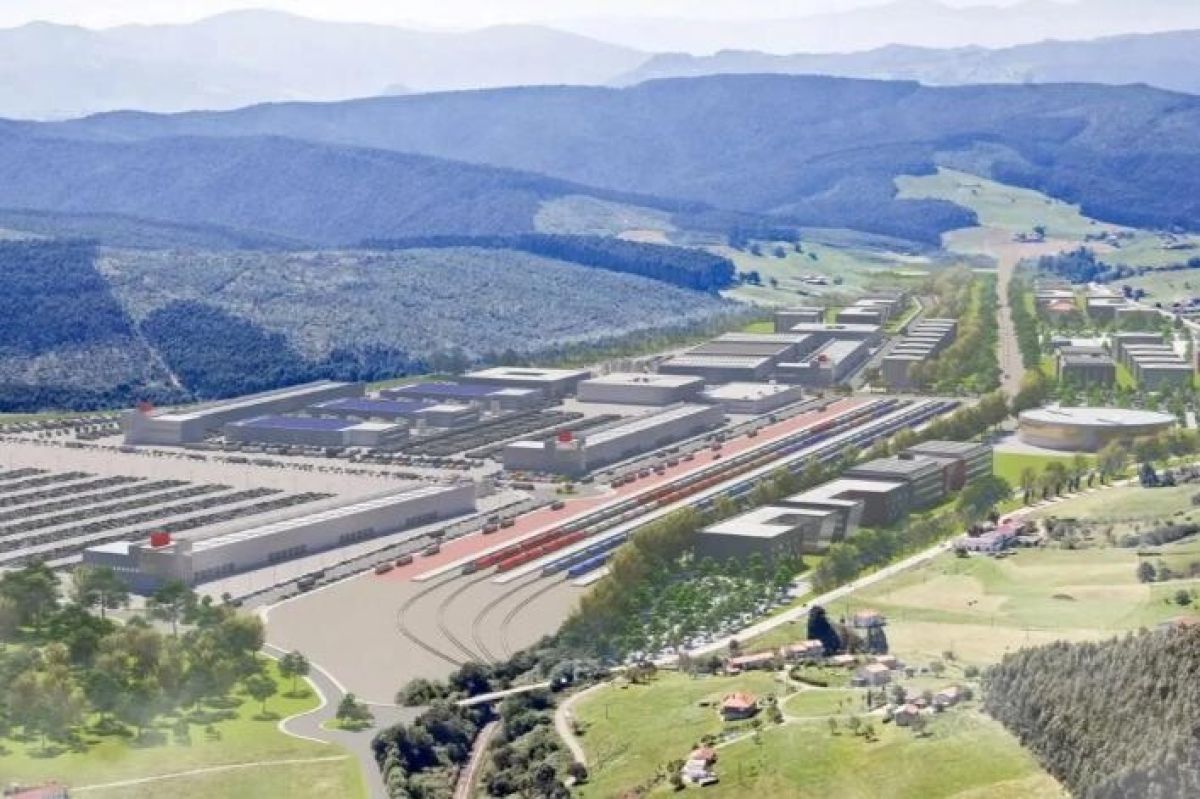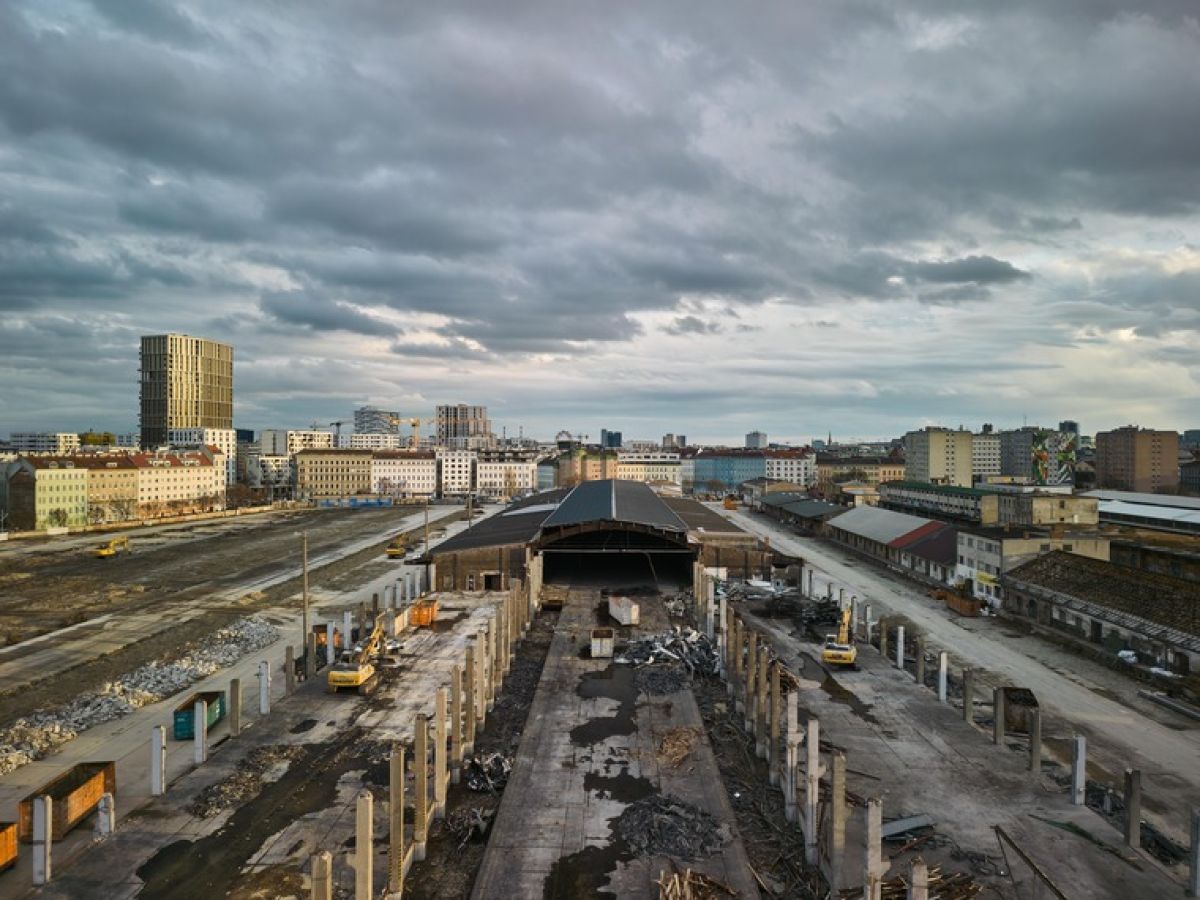
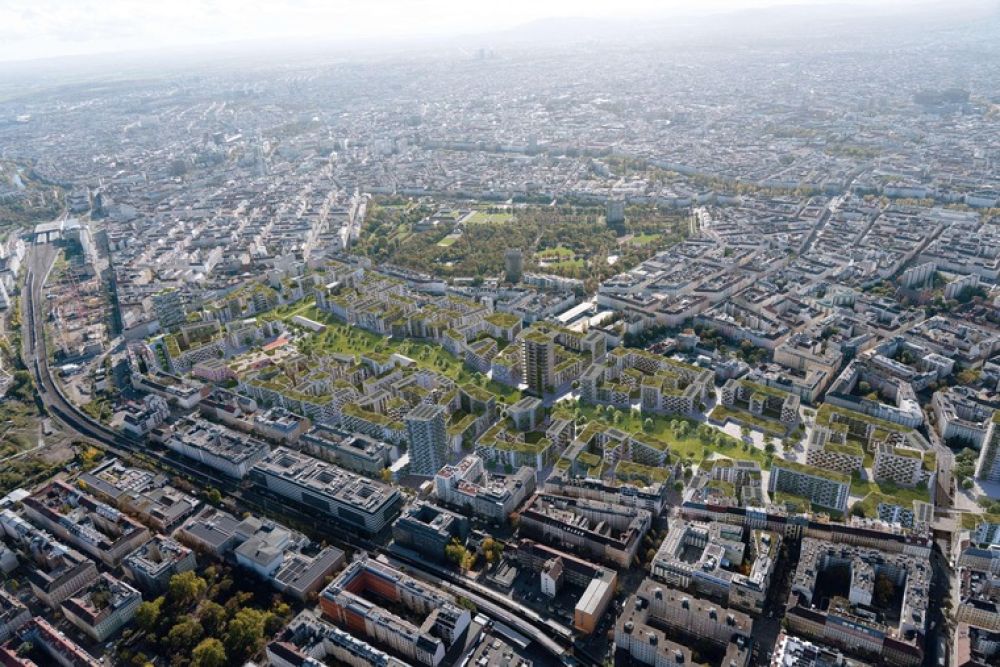
The site, previously a major inner-city logistics hub, is being cleared between 2024 and 2028 to make way for a new district planned to accommodate around 16,000 residents, 4,700 jobs, and a 10-hectare central green area.
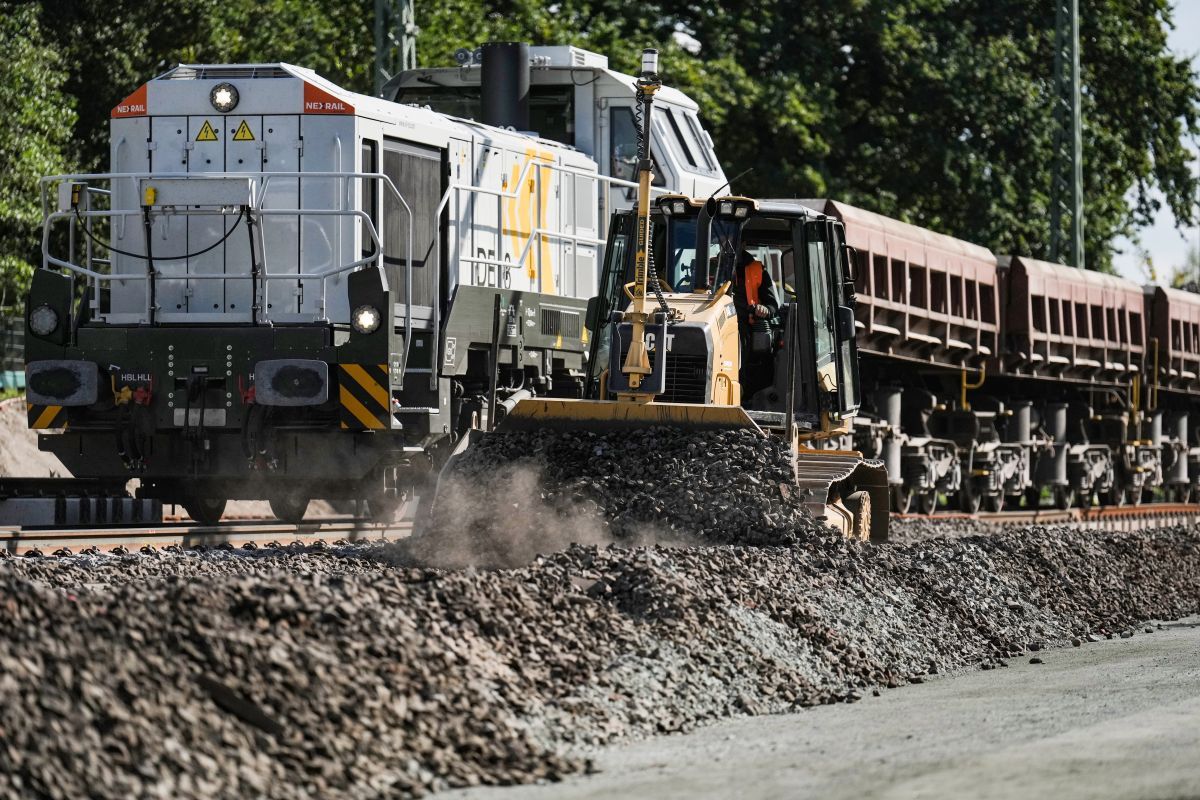
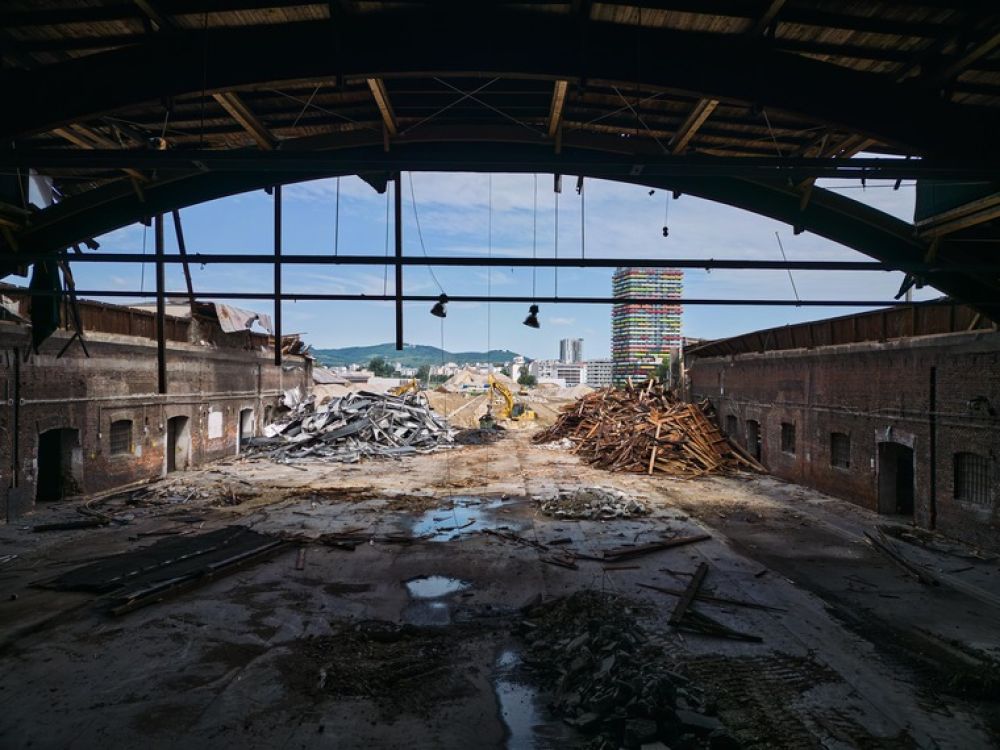
The clearance programme involves the demolition of around 45 former railway and logistics buildings, along with extensive paved surfaces. Works are being carried out in two phases, with completion required before construction of the new urban district can begin.
Material handling is based on a recycling-oriented deconstruction concept. Demolition material is sorted, classified, and crushed on site, allowing concrete, brick, and metal fractions to be separated for onward processing. According to the project organisers, around 95% of the material is expected to be recycled.
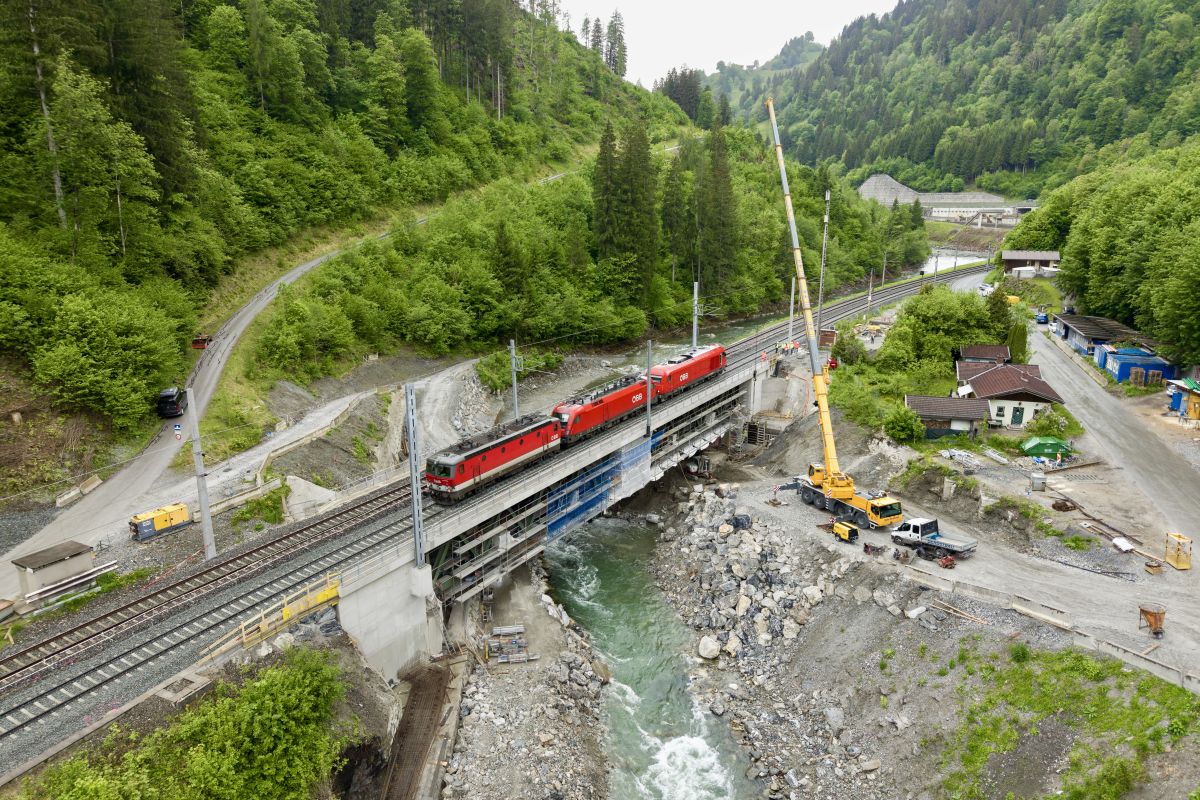
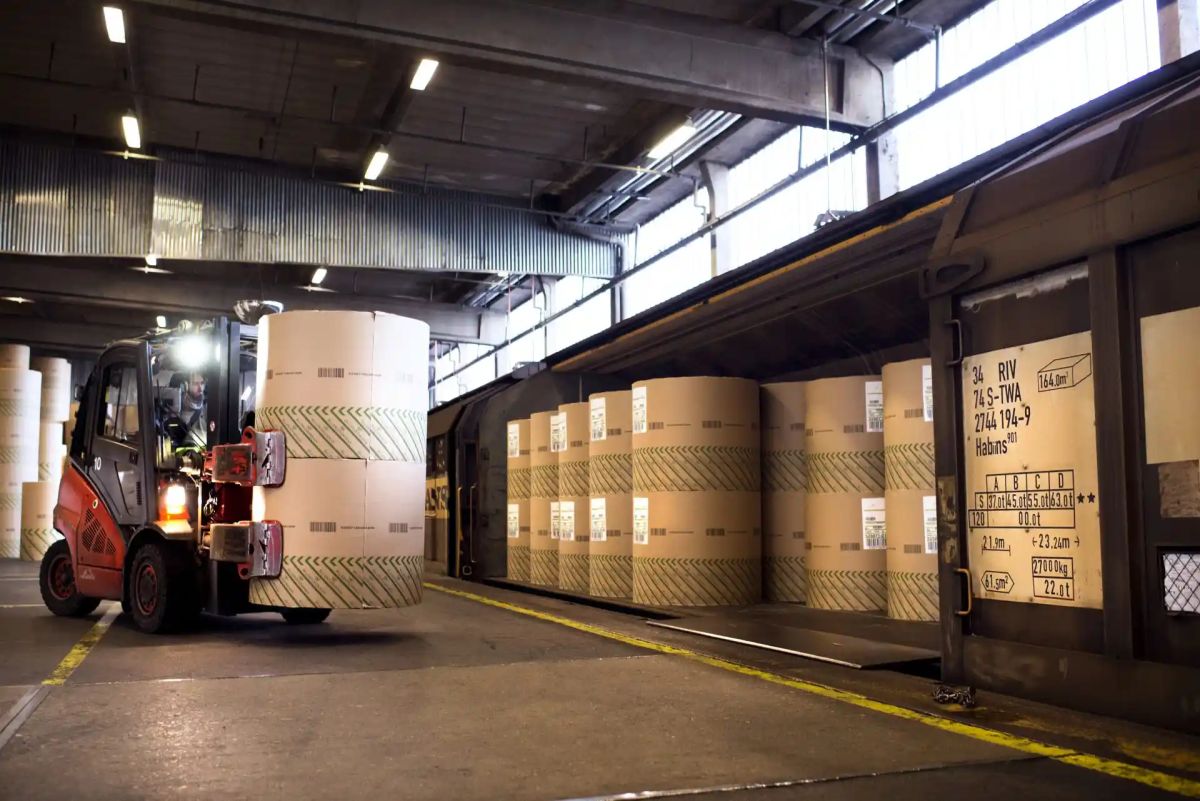
Rail plays a central role in removing demolition material from the site. After on-site processing, material is primarily transported by rail via the existing network, with around two freight trains per week dispatched to specialised recycling and treatment facilities. Project data indicate that using rail instead of road reduces greenhouse gas emissions by around 54% and particulate matter emissions by 43%.
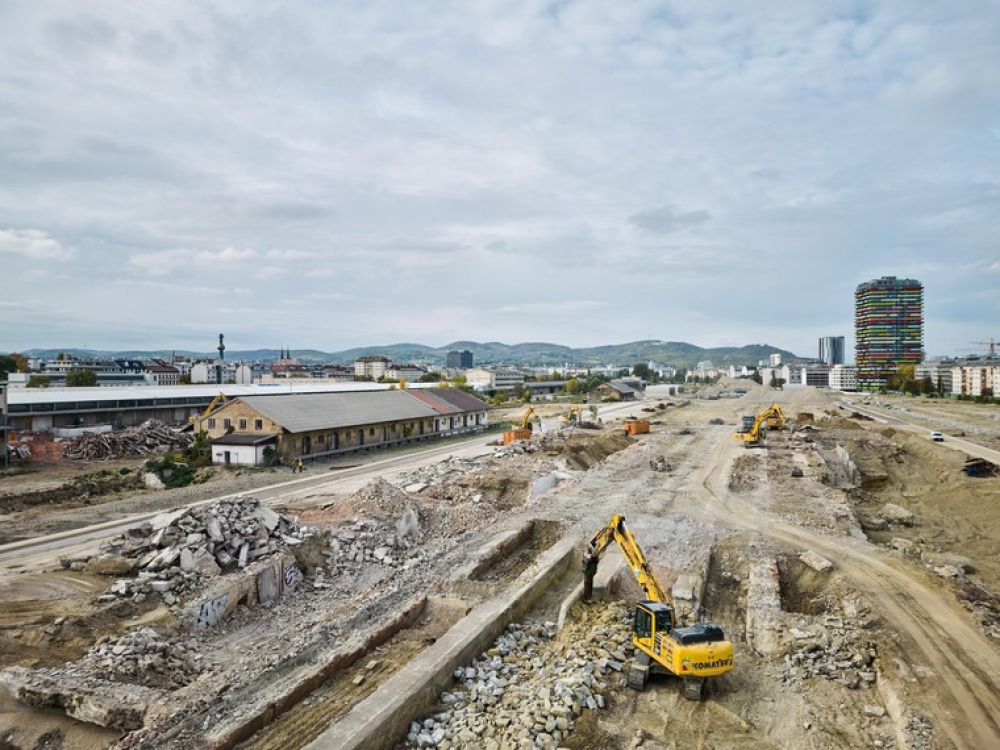
The Nordwestbahnhof redevelopment is also being used as a pilot project for circular construction approaches, with the stated objective of keeping materials in use for as long as possible and reducing overall resource consumption and CO₂ emissions.
Environmental protection measures form part of the demolition process. Buildings are inspected ahead of works to identify protected species such as bats and nesting birds, while reptiles are relocated to designated habitats. Emissions, noise, and dust levels are monitored throughout the works, and demolition activities are subject to time restrictions and the use of low-emission machinery to limit impacts on nearby residents.