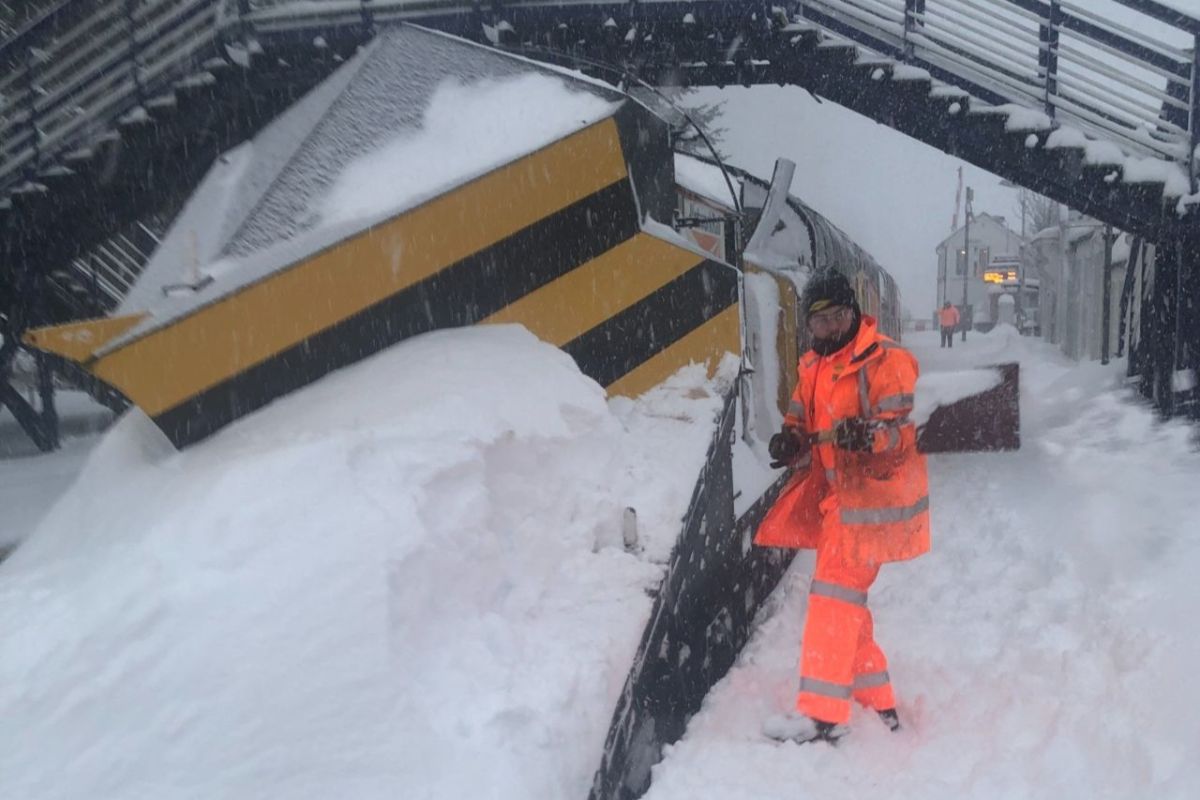
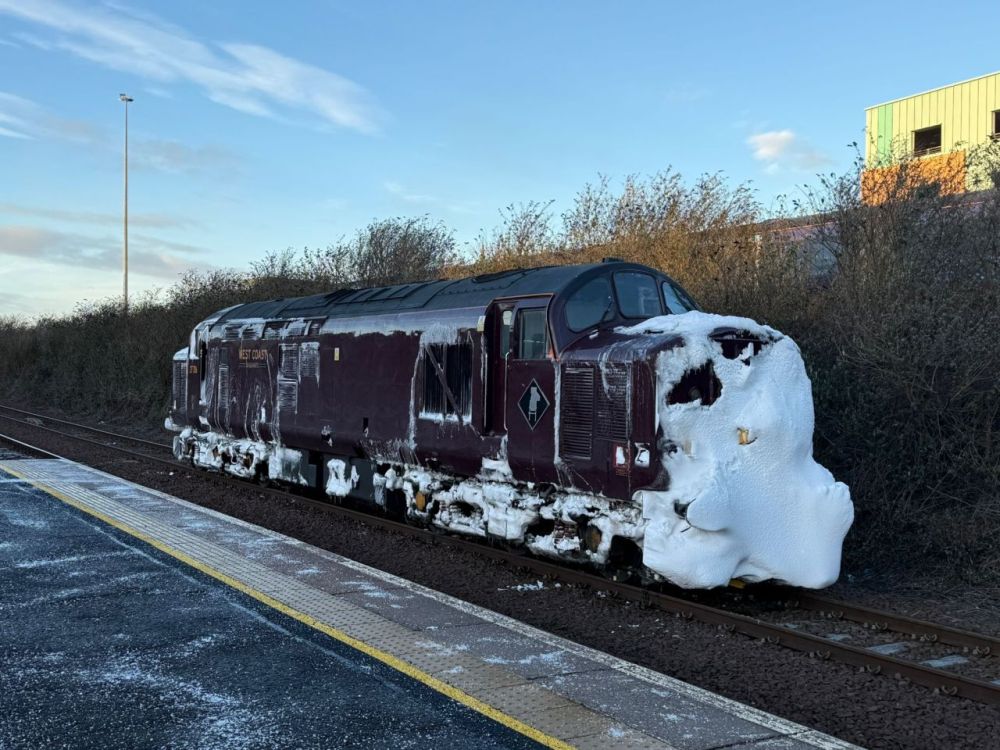
In Scotland, heavy snowfall and strong winds have led to the closure of several rail lines in the north and north-east.
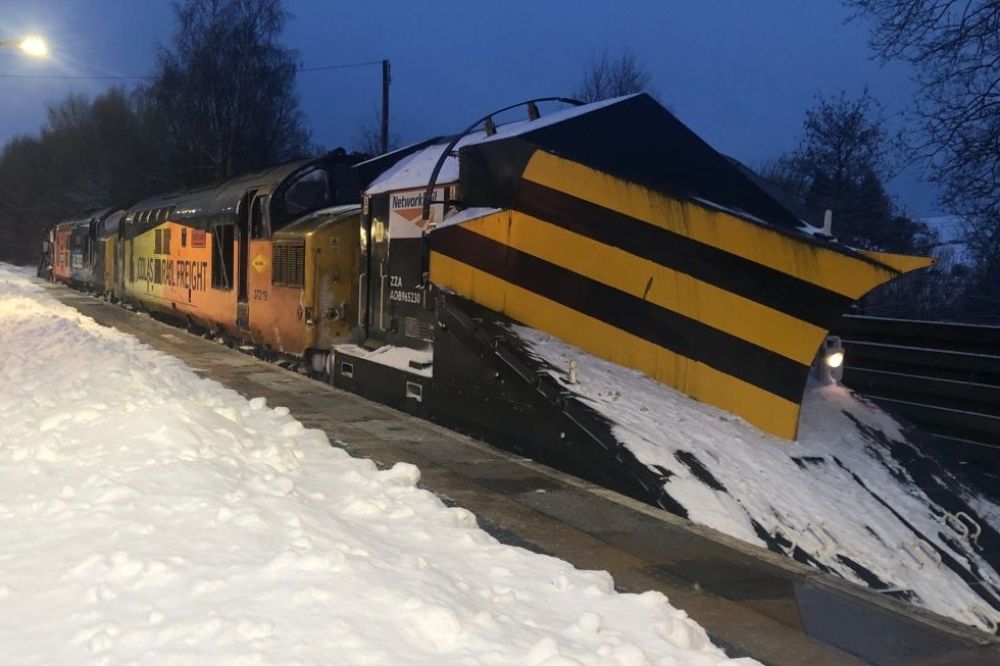
Routes between Aberdeen and Dundee, Aberdeen and Inverness, Inverness and Wick/Thurso, as well as the line to Kyle of Lochalsh, were not expected to reopen before midday on Monday, 5 January.
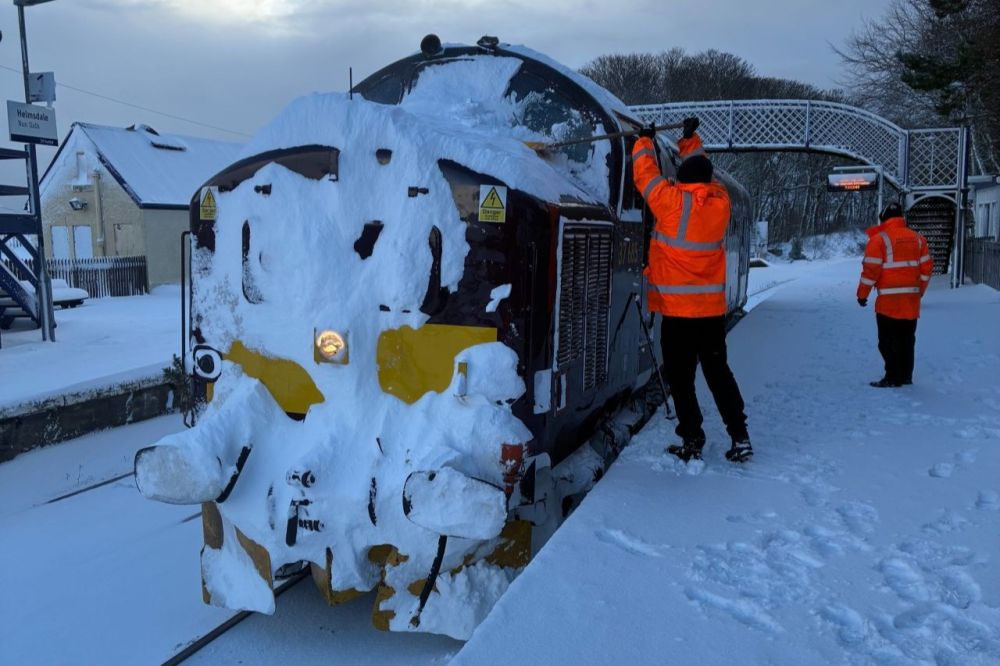
Snowploughs have been deployed to clear tracks, but drifting snow has continued to hinder progress. Weather warnings for snow and ice were issued for large parts of the region, and rail staff remained on standby to respond to changing conditions. Passengers were advised to check journeys in advance due to cancellations and delays.
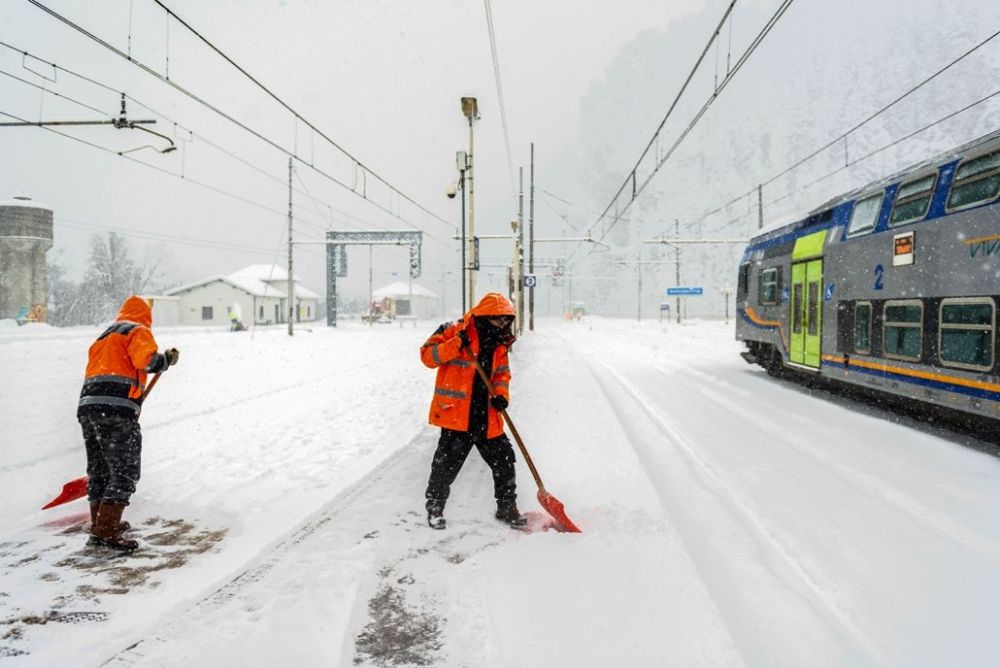
In Italy, Rete Ferroviaria Italiana (RFI) activated its nationwide snow and ice plan across the entire network. The programme is based on meteorological forecasts and civil protection alerts and is structured around progressive operational phases. Measures include heated switches, specialist equipment for snow and ice removal, and reinforced staffing at key network locations, particularly in major urban areas. Operational control centres are monitoring conditions in real time, coordinating interventions and managing service adjustments. RFI also introduced advance communication measures to inform passengers of any planned service changes ahead of adverse weather.
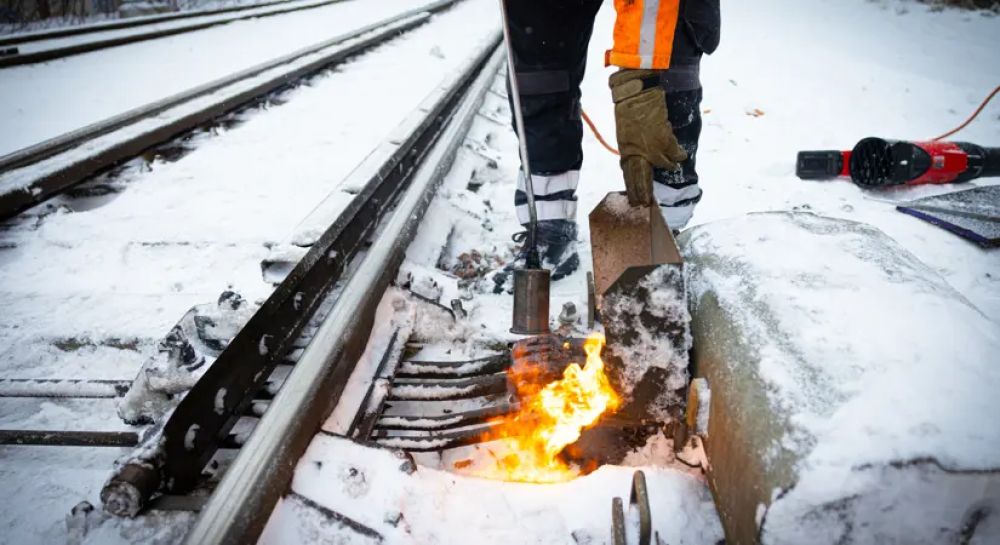
Rail services in the Netherlands have also been heavily affected by snowfall and freezing conditions. Switch failures caused major disruption, particularly in the Amsterdam region, around Schiphol Airport and Utrecht, where services were severely limited or suspended for much of Monday.
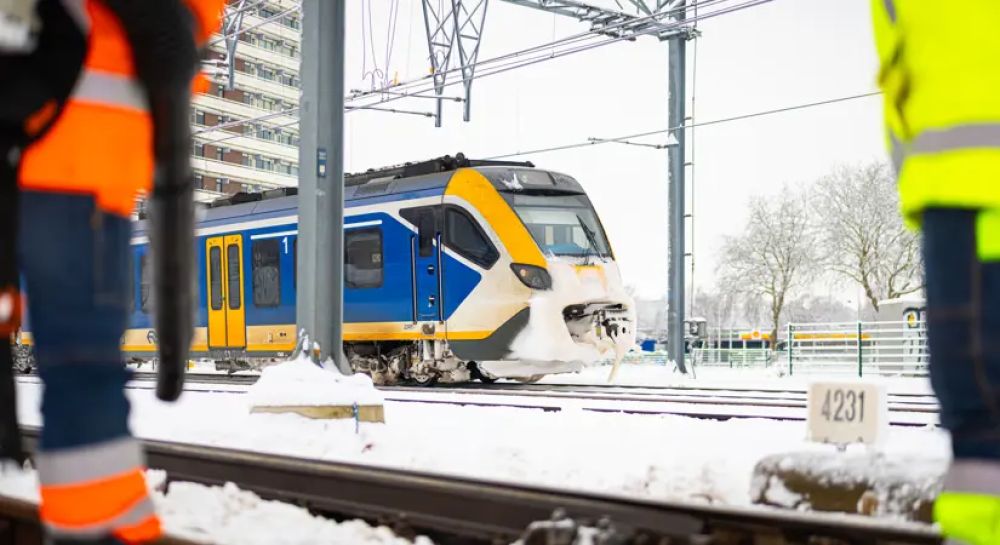
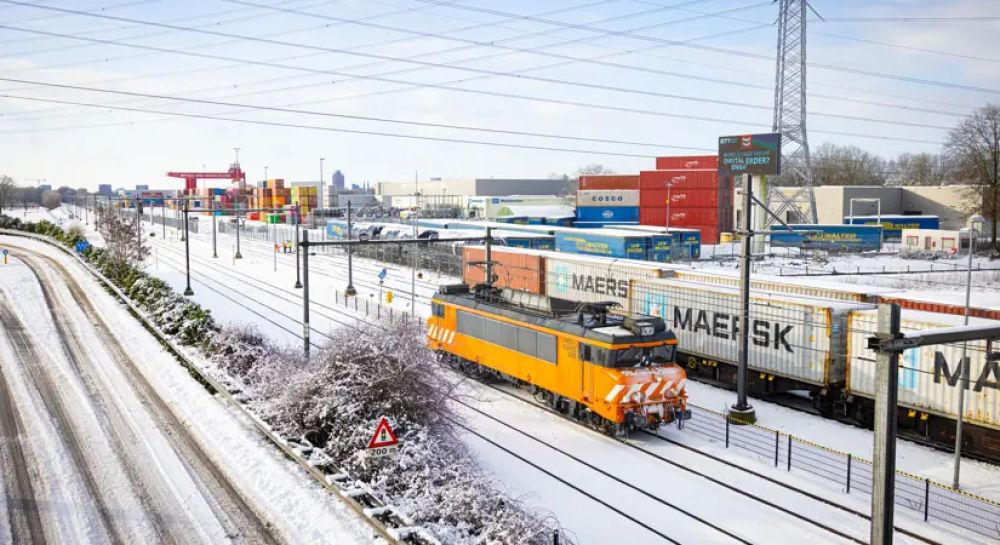
Passenger and freight traffic across the country faced delays and cancellations, with further snowfall forecast to coincide with peak travel periods. Infrastructure manager ProRail deployed additional snow-clearing and emergency teams, while operators including NS, Arriva and Keolis adjusted timetables.
Travellers were advised to consult journey planners shortly before departure and allow extra travel time.
Across all affected countries, rail authorities stressed that safety considerations were guiding operational decisions, with services only resuming once infrastructure conditions allowed for safe running.