The change is based on the “Suisse Cargo Logistics” framework, introduced in 2022, with the goal of improving cost-efficiency and maintaining compliance with legal requirements for profitability in freight transport.
North-south corridor prioritized, east-west lacks conditions
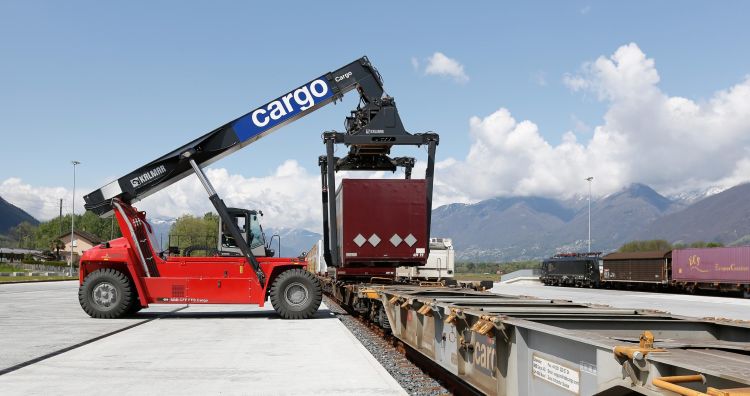
By 2026, SBB plans to launch the first CT connection under the new concept along the north-south axis, between Dietikon (ZH) and Stabio (TI). This alpine shuttle will serve as a test for the new service model. The company has not yet initiated similar tests along the east-west corridor, citing the absence of express freight capacity and insufficient terminal infrastructure.
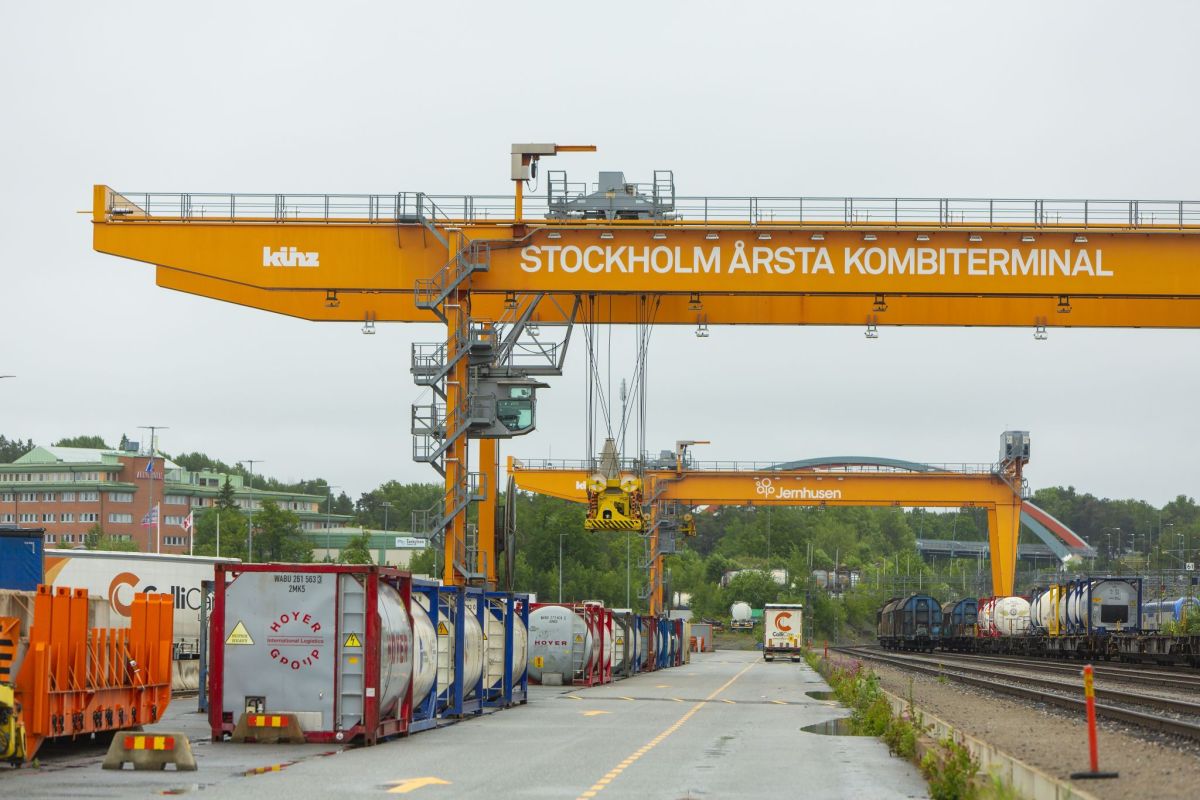
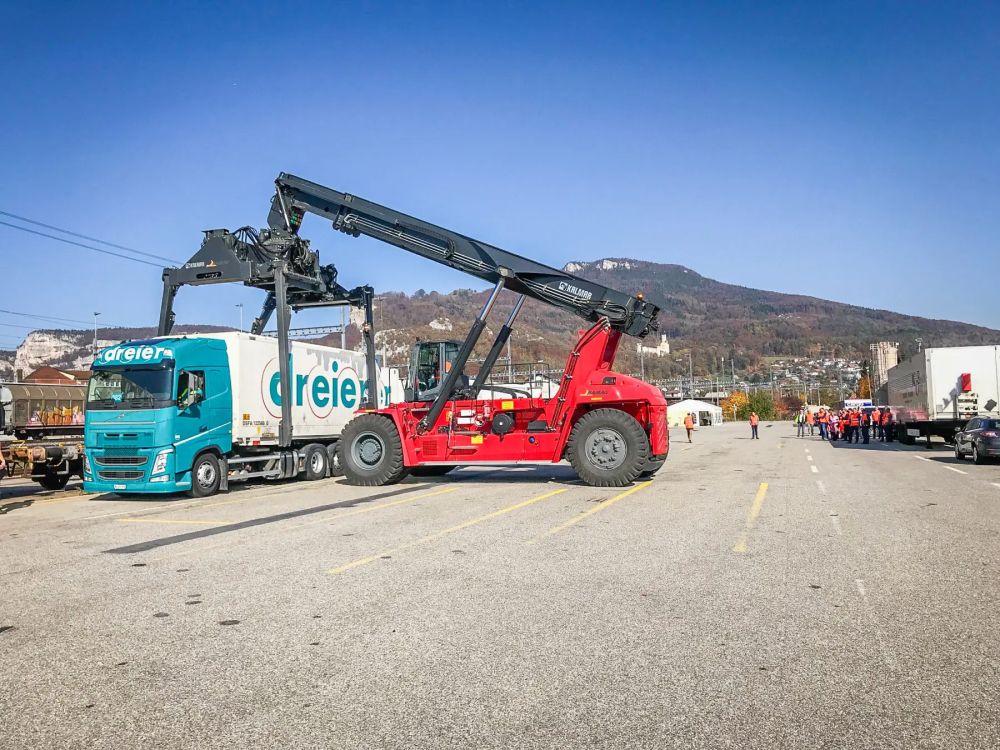
As part of the changes, SBB is discontinuing operations at eight CT terminals where continued service is not economically viable. The affected locations are Oensingen, Basel, Gossau, Widnau, Renens, St. Triphon, Cadenazzo, and Lugano. Freight handling will remain possible at terminals operated by other providers.
Combined transport system under financial pressure
The CT segment, together with single-wagonload traffic, is currently generating annual losses in the double-digit million range. The cost-reduction programme aims to bring down annual expenses by approximately EUR 61.5 million by 2033. SBB states that all transport modes must meet profitability standards set by federal regulations.
Pending the outcome of the Dietikon–Stabio pilot, SBB envisions long-term CT expansion on the east-west axis, supported by infrastructure projects like Gateway Basel Nord.
Workforce impact and job reductions
The realignment will involve the elimination of around 65 full-time positions in CT operations by the end of 2025. These reductions affect mainly locomotive crews, shunting staff, and technical inspection personnel. German-speaking Switzerland will see about one-third of the cuts, with the remaining two-thirds affecting Ticino. No cuts are expected in French-speaking regions.
SBB currently employs approximately 2,250 people at its freight subsidiary SBB Cargo Switzerland, with around 50 in CT roles. The reductions are to be carried out in coordination with social partners, using measures such as retirements and internal transfers to avoid compulsory redundancies wherever possible.
Investment focus and broader restructuring
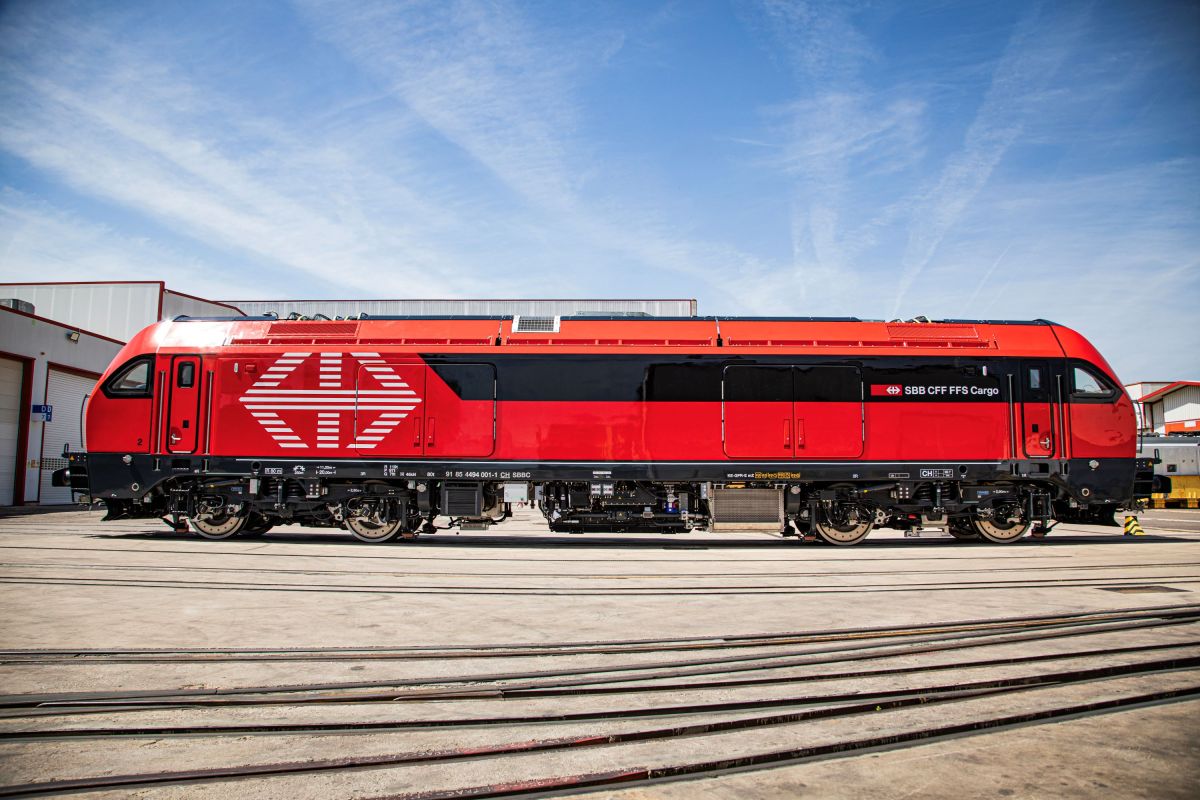
In parallel with the downsizing, SBB is continuing to invest in its freight operations, including upgrades to locomotives, wagons, marshalling yards, workshops, and digital systems. The company is working with major clients to create a cost-optimized transport network that integrates rail and road to meet customer demand across long distances.
These efforts are part of SBB’s push toward a financially self-sustaining freight operation. The company currently employs about 35,500 people, an increase of approximately 3,000 since 2019, largely in operational and technical positions.