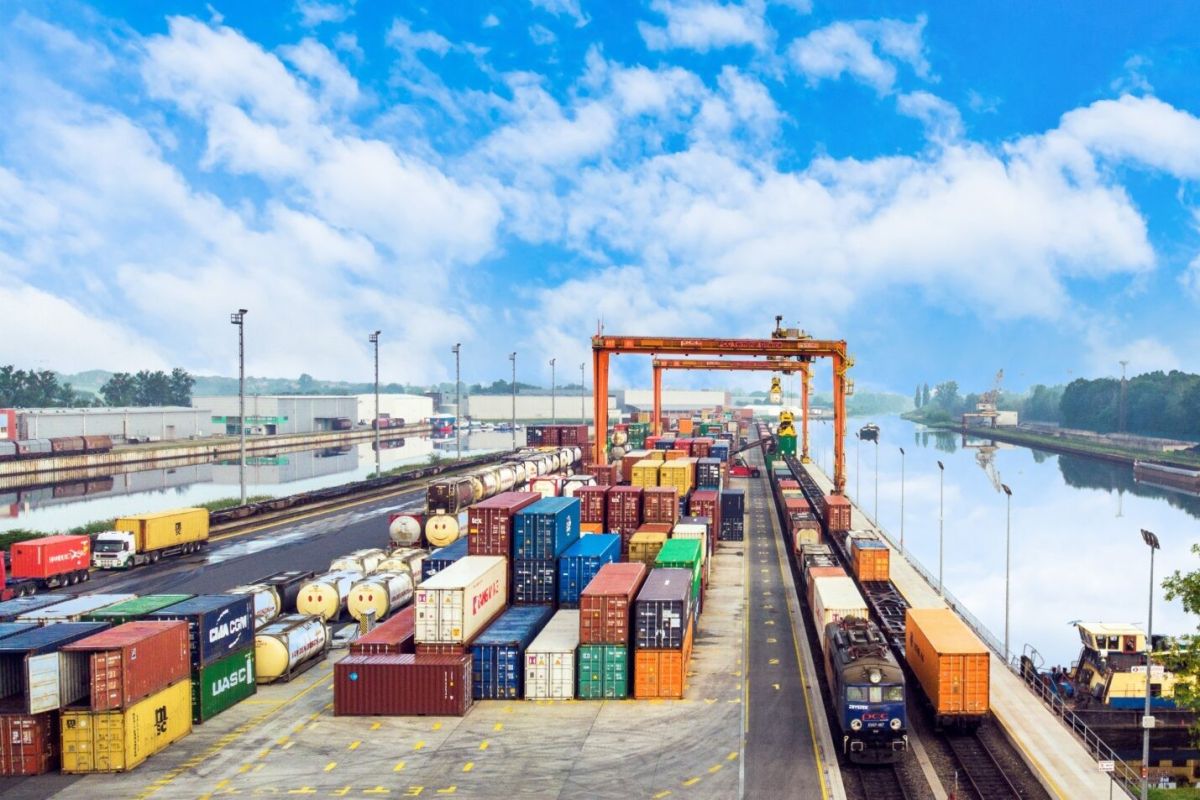
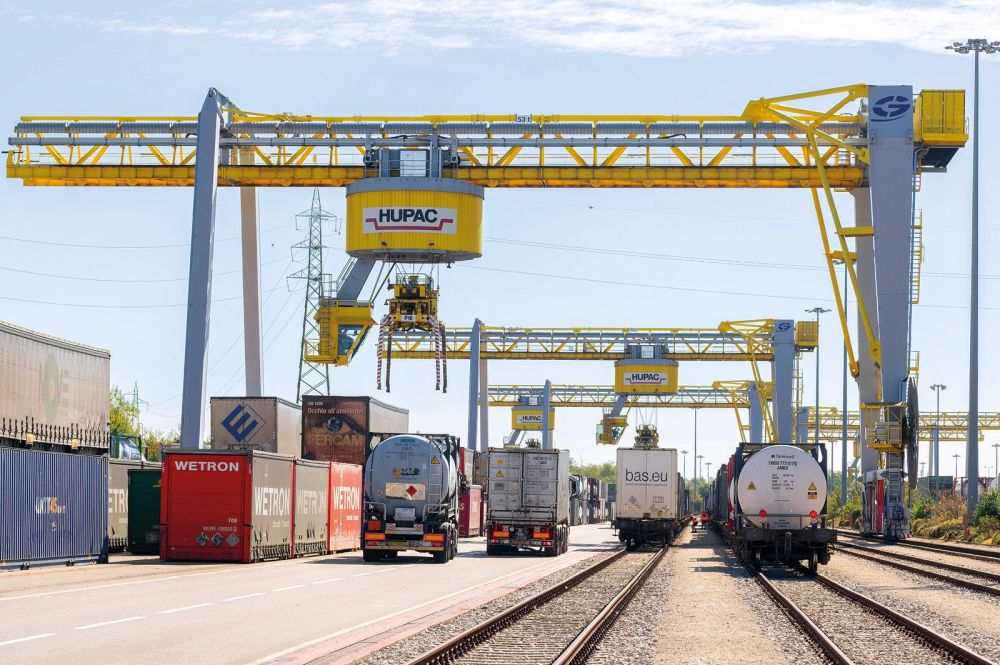
Hupac reports a modest decline of 2.6% in combined road/rail volumes in 2024, with transalpine traffic through Switzerland remaining largely stable.
Transalpine performance contrasts regional setbacks
Volumes through the Swiss Alps decreased only slightly by 0.2%, despite ongoing capacity restrictions in the Gotthard base tunnel. Other transit routes, including those through France and Austria, recorded larger drops due to the Modane line closure and infrastructure adjustments in northern Italy. Non-transalpine segments across western, north-eastern, and south-eastern Europe declined by 1.2%.
The group achieved a net result of approximately EUR 9.6 million for the year. Operational adaptations included increased use of long, heavy trains and the streamlining of capacity on high-traffic corridors. In the maritime hinterland segment, adjusted volumes from Germany contributed to the positive financial result.
Capacity restrictions affect modal shift targets
Hupac highlights increasing pressure on the modal shift policy in Switzerland. The company moved 536,000 consignments, corresponding to 10.4 million net tonnes of goods through the Alps. Since 2022, however, combined transport in this corridor has dropped by 9%, while road freight transport increased by 4%.
The decline is attributed to infrastructure limitations on the German rail network. High cancellation rates—affecting around 20% of connections—are linked to construction work, poor coordination, and lack of timely communication. Less than half of Hupac’s transalpine trains currently run on time.
The termination of the Rolling Highway (Rola) service by the end of 2025 is cited as an outcome of these ongoing challenges.
Infrastructure projects identified as priorities
Hupac reiterates the need for upgrades on alternative rail routes. One project involves converting the Belgium–Metz–Basel line into a 4-metre corridor by enlarging tunnels through the Vosges mountains. This would serve as a second major access route to the New Rail Link through the Alps (NRLA). Switzerland is expected to finance these works, consistent with past funding of tunnel modifications in northern Italy.
Another proposal involves rerouting via the Strasbourg–Lauterbourg–Wörth line using hybrid locomotives. This would provide operational flexibility during full closures on the Rhine Valley axis. Additionally, the company supports the creation of buffer tracks north and south of the Alps to absorb delays caused by disruptions.
From 2025, Switzerland and Belgium will jointly oversee the North Sea–Rhine–Mediterranean freight corridor. Hupac views this as an opportunity for better coordination and improved construction planning.
Operational adaptations and technology
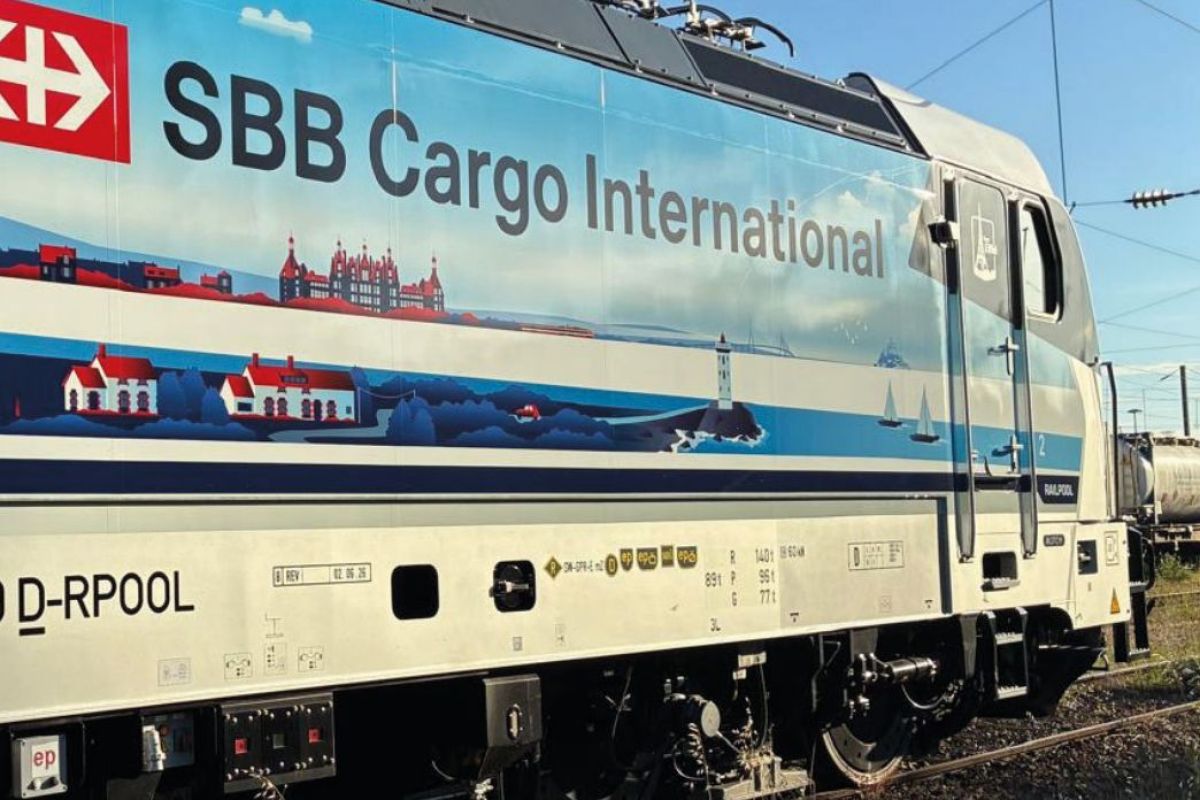
To mitigate disruptions, Hupac has rerouted some Belgium–Italy services via France since early 2025. The operator has also organised diesel-powered diversions through Alsace in cooperation with SBB Cargo International and Captrain during the August 2024 closure of the Rhine Valley line.
Resilience measures include standby trains, additional drivers, and weekend capacity. Digitalisation initiatives focus on automating terminal operations and deploying wagons with noise-reducing brakes and on-board sensors.
Refocus on core north-south corridors
In response to volatile demand and network constraints, Hupac is concentrating operations on high-volume north-south routes. The company aims to run three to four trains daily in each direction per route, enabling faster recovery from service interruptions and better equipment utilisation.
Projected market conditions for 2025 remain uncertain due to geopolitical tensions, high energy prices, and competitive pressures across various sectors. Hupac expects its continental and maritime volumes to remain steady, with the year’s focus placed on maintaining capacity, quality, and service adjustments.