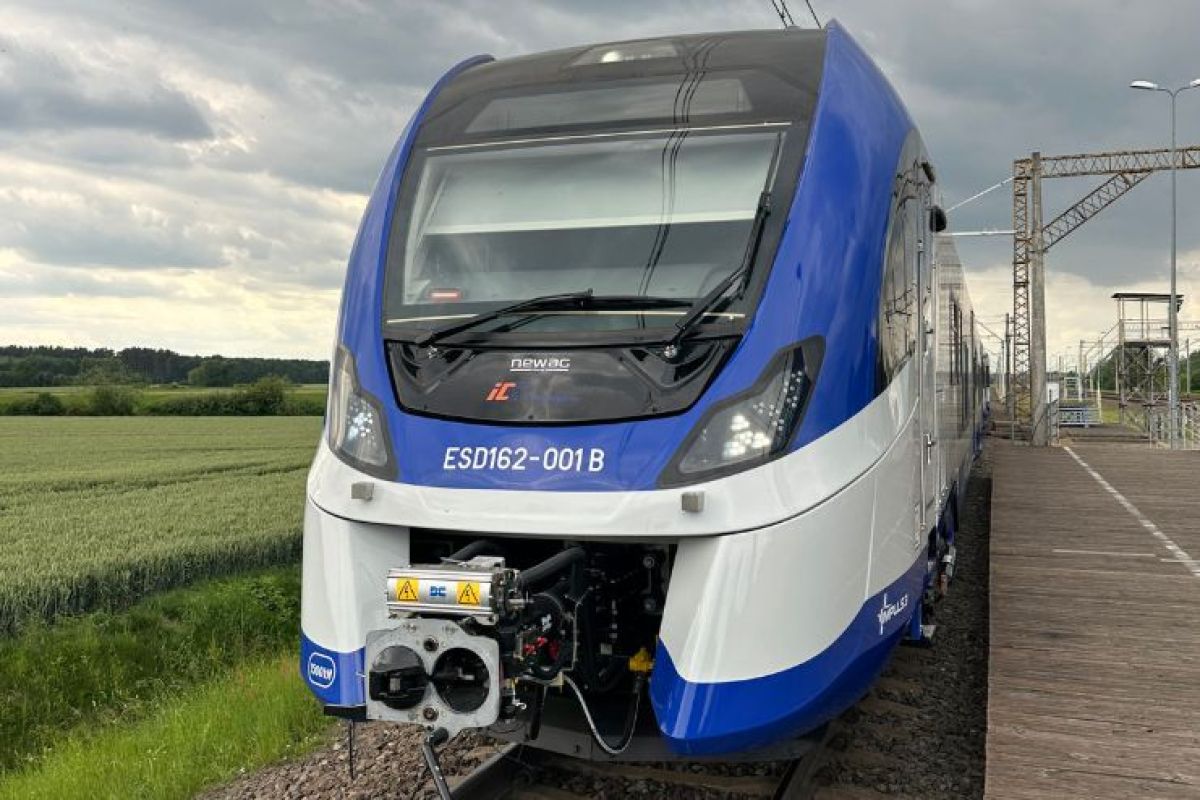
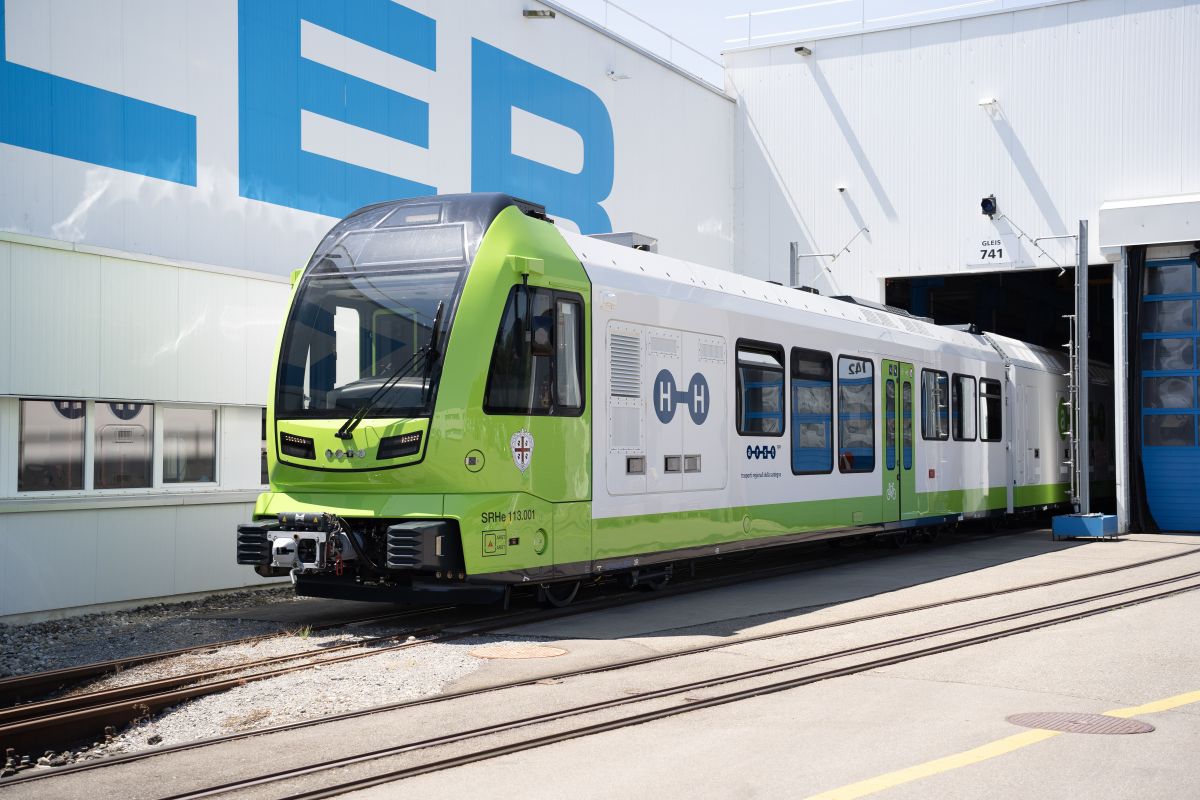
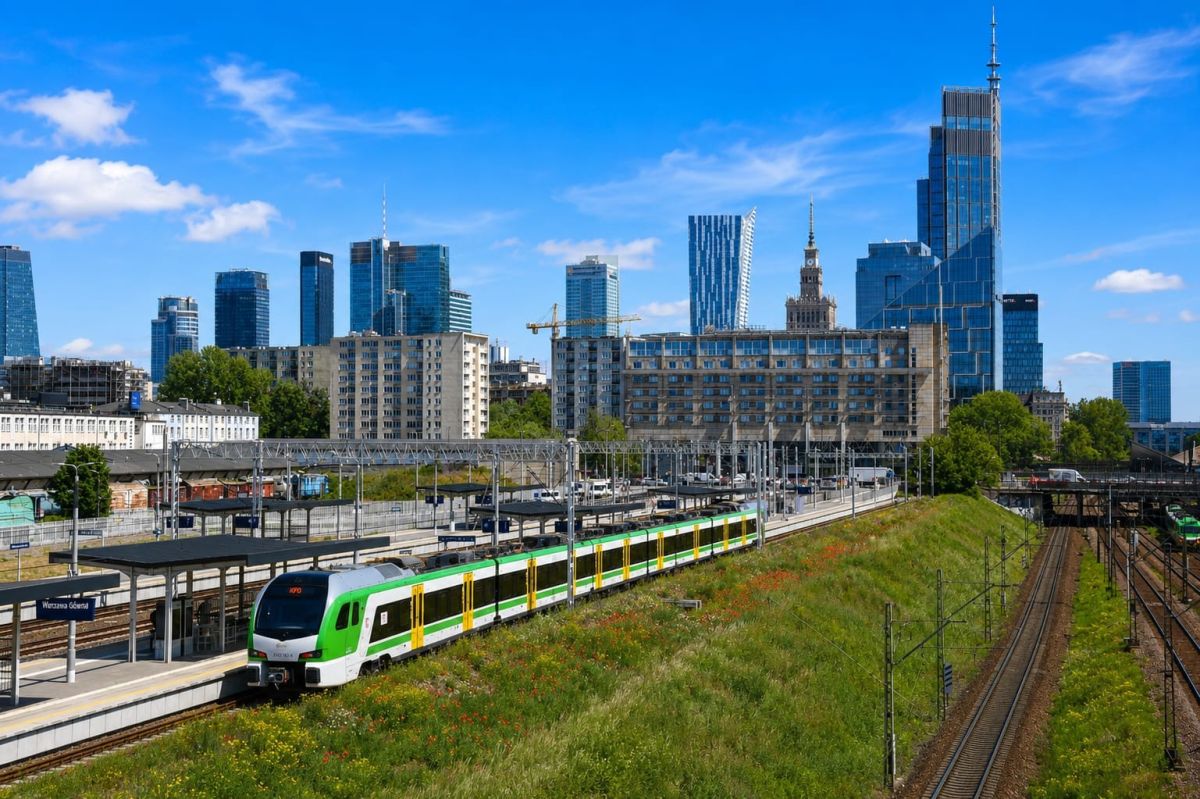
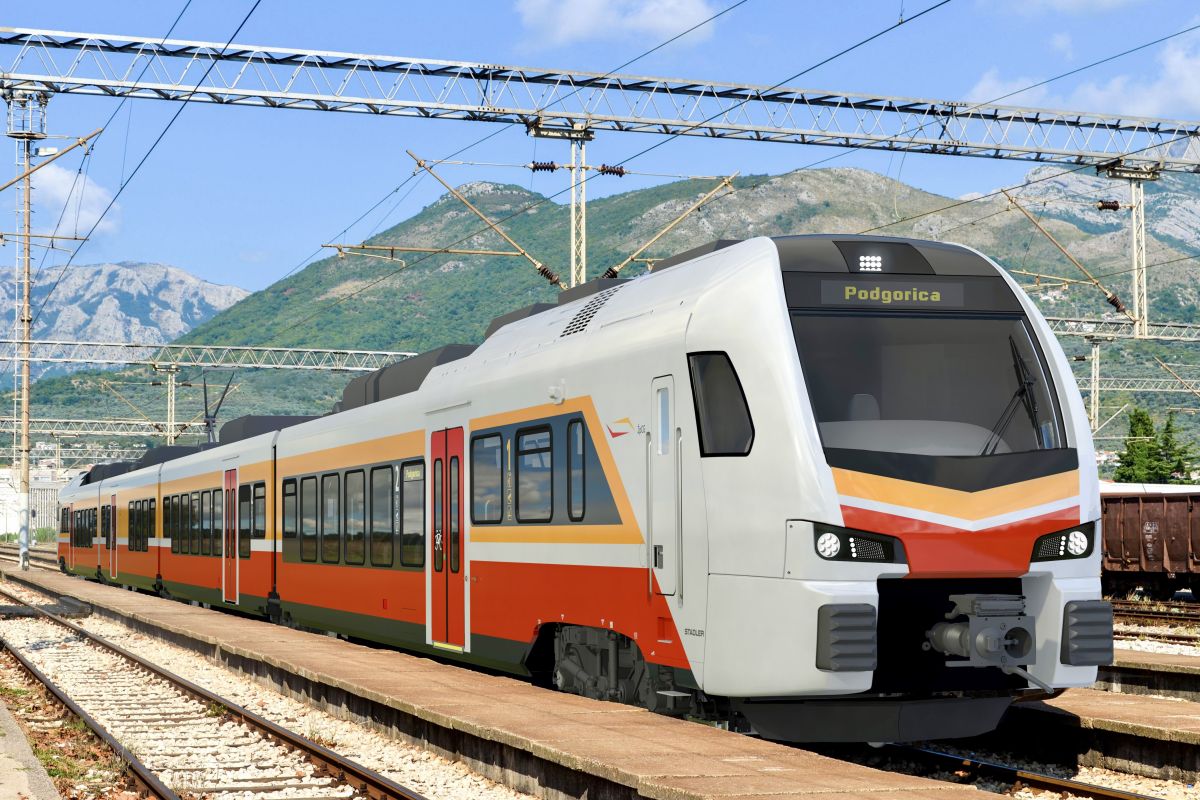
Abruzzo regional operator Tua has placed two new ETR 104 Alstom-made electric multiple units into service, with a further four trainsets scheduled for delivery in the coming months.
The ETR 104s are four-car electric multiple units designed for regional services, with a maximum speed of 160 km/h and capacity for around 530 passengers, including more than 300 seats. Tua reports that the trains reduce energy consumption by around 30% compared with the previous generation and are up to 97% recyclable. On-board equipment includes passenger information screens, CCTV, passenger counting systems, bicycle spaces and facilities for separate waste collection.
With the latest deliveries, Tua’s railway division now has five ETR 104 trainsets in operation, supplementing the existing “Lupetto” fleet. Once the remaining four units are delivered, the operator will have nine ETR 104s in service. The average age of Tua’s rail fleet is around 6.5 years, compared with a national average of 14.7 years for Italian regional trains, according to Legambiente data. The ETR 104 fleet alone has an average age of about one year.
The new EMUs are assigned to services along the Adriatic corridor and are the newest trains operating on the Ancona–Termoli route. In 2025, Tua’s regional rail services carried more than 1.2 million passengers, indicating rising demand on the network.
Rolling stock renewal is part of a broader investment programme by the Abruzzo Region. Since 2019, the region has allocated EUR 158.2m to Tua’s public transport activities. This includes EUR 54m for nine ETR 104 EMUs, EUR 93.6m for 398 new buses, including 28 battery-electric vehicles, EUR 7.2m for six trolleybuses, and EUR 3.4m for two electric rescue locomotives.
In parallel, Tua has launched a technological upgrade of its infrastructure in cooperation with Alstom. The programme focuses on aligning Tua’s systems with national infrastructure manager Rete Ferroviaria Italiana standards, particularly at San Vito, which acts as an interoperable interface with the national network. The works are expected to take around 18 months, with the Lanciano–San Vito line scheduled to be fully equipped by mid-2027.
Service development has accompanied the investment programme. The Lanciano–Pescara–Ancona service, introduced in September 2025, carried around 15,000 passengers in its first four months of operation. In addition, more than EUR 20m of rail projects were contracted in 2025 using FSC funds, alongside training programmes for drivers, on-board staff and maintenance personnel.