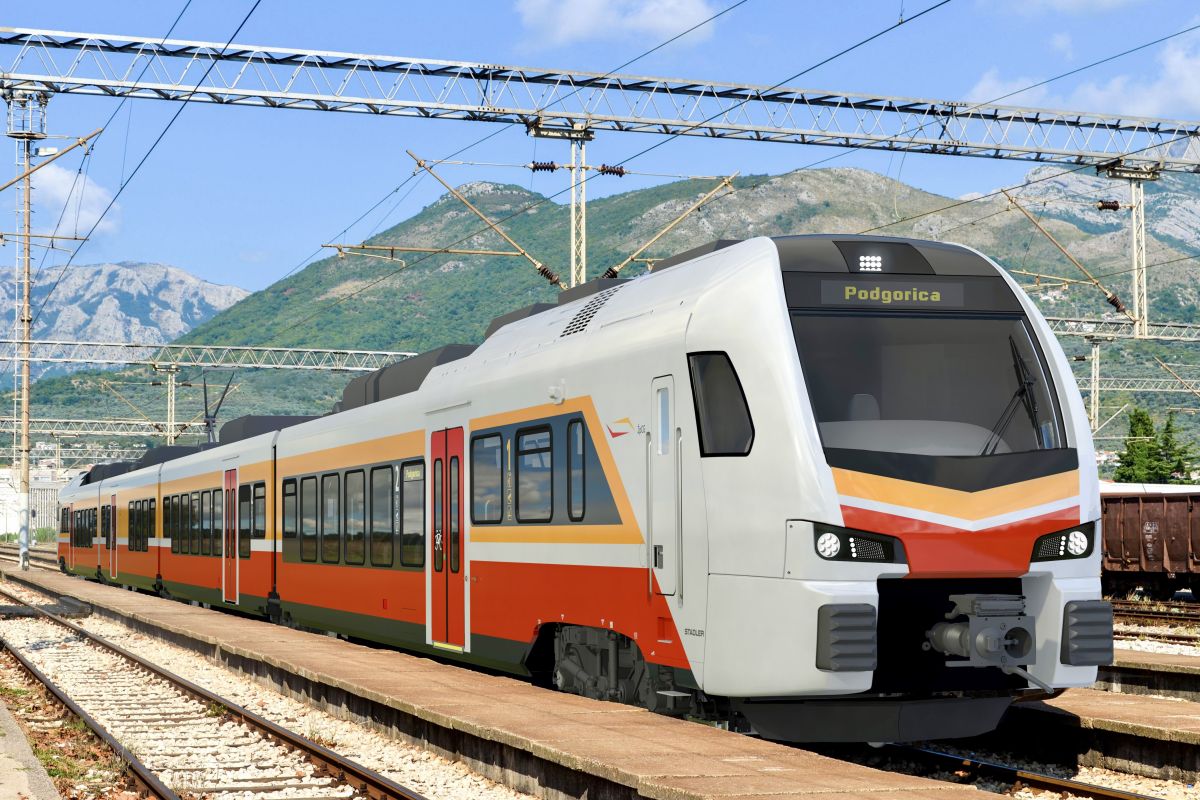
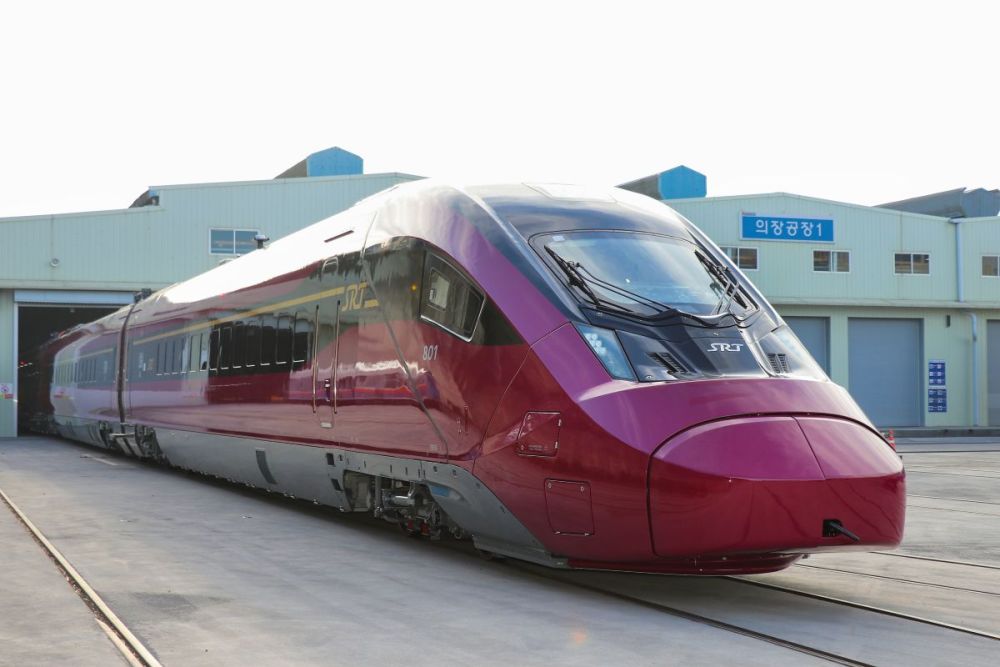
Hyundai Rotem has released the first batch of its second-generation EMU-320 high-speed electric multiple trains, completing initial test runs ahead of the original timetable.
The trains form part of a 320 km/h distributed-power high-speed order placed by Korea Railroad Corporation and SR in March and April 2023.
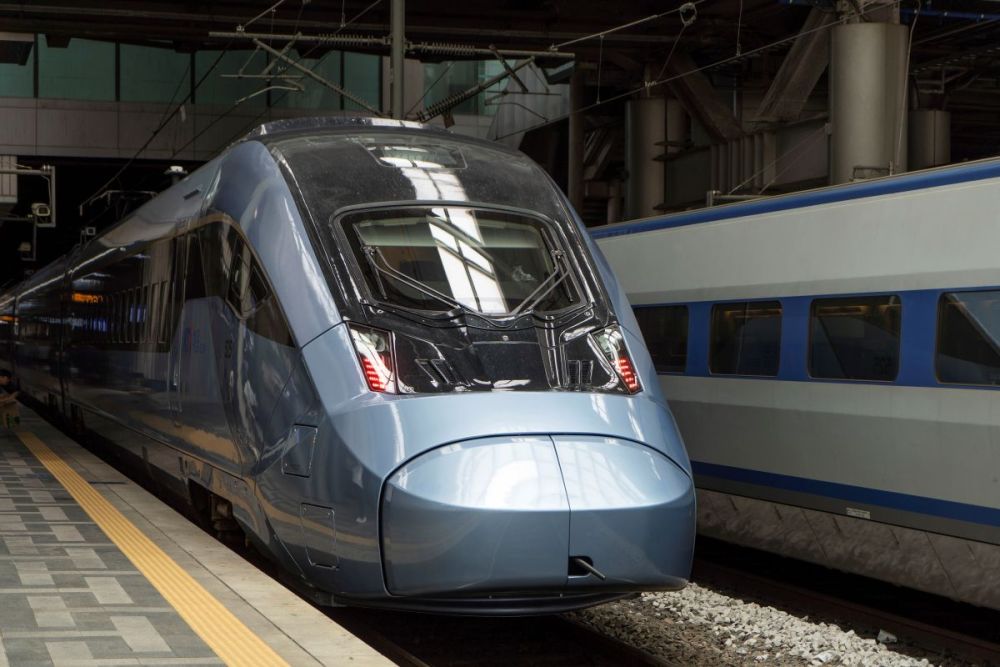
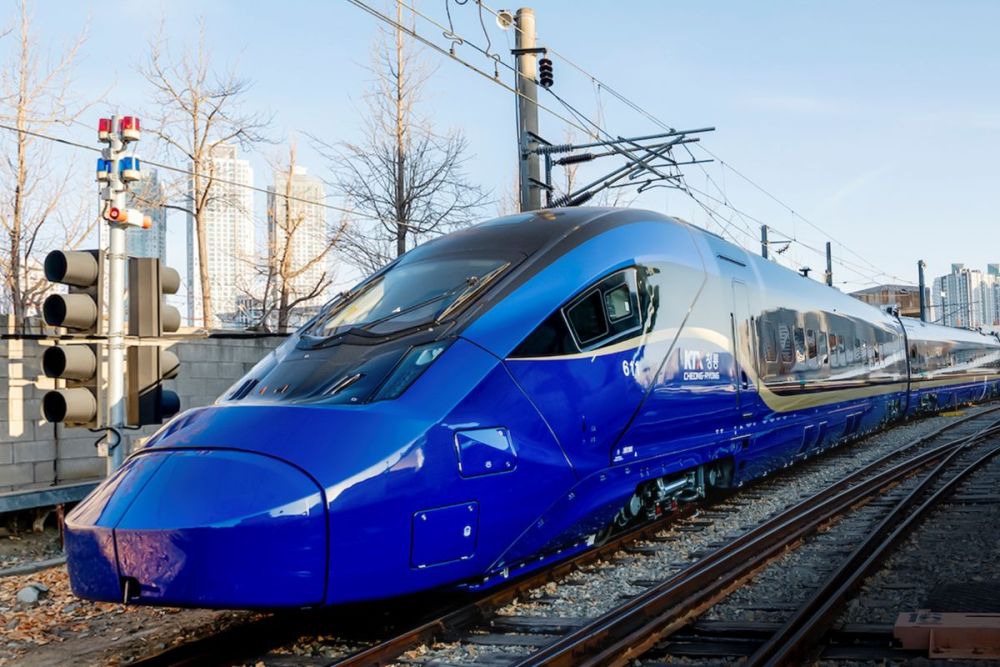
The second-generation EMU-320 is derived from the first-generation EMU-320, known in service as KTX-Cheongryong, which entered domestic operation in May 2024. The new version incorporates modifications aimed at noise reduction, ride quality, safety, and passenger amenities.
One of the technical changes is the application of the Korean Train Control System KTCS-2. This signalling system, first deployed on the second-generation EMU-260, enables continuous monitoring of train location and automatic management of safe separation between trains. KTCS-2 was developed domestically as part of a national research programme initiated in 2018. Its introduction supports high-speed operation and reduces reliance on imported signalling components.
The trains are also equipped with a condition-based maintenance system that monitors the operational status of key components in real time. The system analyses data to estimate component lifespan and identify potential faults, allowing maintenance to be planned based on actual condition rather than fixed intervals. This approach was previously applied on the EMU-260 platform.
From a mechanical and electrical perspective, the second-generation EMU-320 features increased capacity of the main transformer and auxiliary power supply compared with the earlier version. This supports improved performance of onboard systems such as air conditioning. The braking system has also been revised, resulting in a shorter braking distance.
Passenger-facing changes include updated exterior destination displays using large full-colour LED screens. Additional information monitors have been installed inside the passenger saloons and near lift access areas. Seating areas are fitted with cradle-type wireless mobile phone charging devices, replacing the pocket-style chargers used on the first-generation trains.
The EMU-320 programme is part of a broader range of high-speed and intercity electric multiple train platforms developed by Hyundai Rotem, including the second-generation EMU-260, EMU-250 trains supplied for Uzbekistan, and further EMU-320 variants intended for SRT operations.