The Brussels-based association closed its 2025 business year with mixed results: modest overall growth, strong domestic performance in France, but heavy losses in intermodal volumes in Germany.
According to UIRR, the International Union for Road-Rail Combined Transport, the number of consignments transported increased by 1.5% in 2025, broadly matching EU GDP growth. Tonne-kilometres rose slightly faster, by 2.2%.
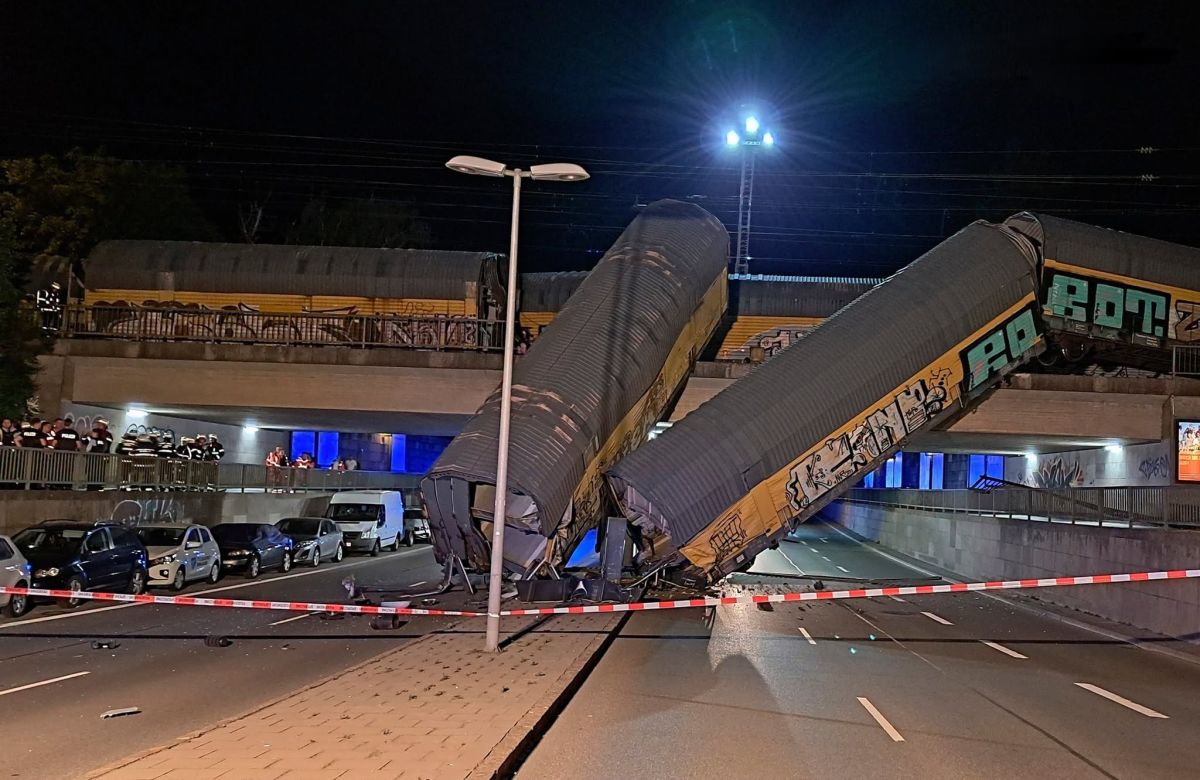
The results were mixed across Europe. UIRR pointed to strong performance in French domestic combined transport, supported by new terminals and new services. At the same time, Germany recorded a major loss of domestic and transit intermodal volumes, largely linked to infrastructure disruption and corridor works.
“A difficult and challenging year resulted in growth that kept up the pace with the European GDP. Had the excessive disruptions not occurred in Germany and some other European countries, the result could have been even better,” said Ralf-Charley Schultze, Director General of UIRR. He added that the UIRR community looks towards “intermodal rail freight functioning seamlessly within door-to-door combined transport chains.”
German corridor renovations, known as Generalsanierung, remain one of the main concerns for the sector. Michail Stahlhut, CEO of Hupac Group and Chairman of UIRR until the end of 2025, warned that months-long full closures and limited diversion capacity create major costs and operational risks for combined transport operators.
According to Stahlhut, a detour of 500 kilometres can add around 12 hours to a journey, tying up equipment and customers’ cargo for an extra day. He described prolonged full closures as damaging from a macroeconomic perspective, as goods may either not move at all or move only with heavy delays.
UIRR’s General Assembly also confirmed a change in its Board of Directors. Stahlhut is retiring from the Board, while Britta Weber, his successor at the helm of Hupac Group, was elected as a member of the UIRR Board from 1 July 2026.
Jürgen Albersmann, CEO of Contargo and current Chairman of UIRR’s Board of Directors, said developing intermodal supply chains remains essential for connecting European industrial production networks and supplying citizens through sustainable transport.