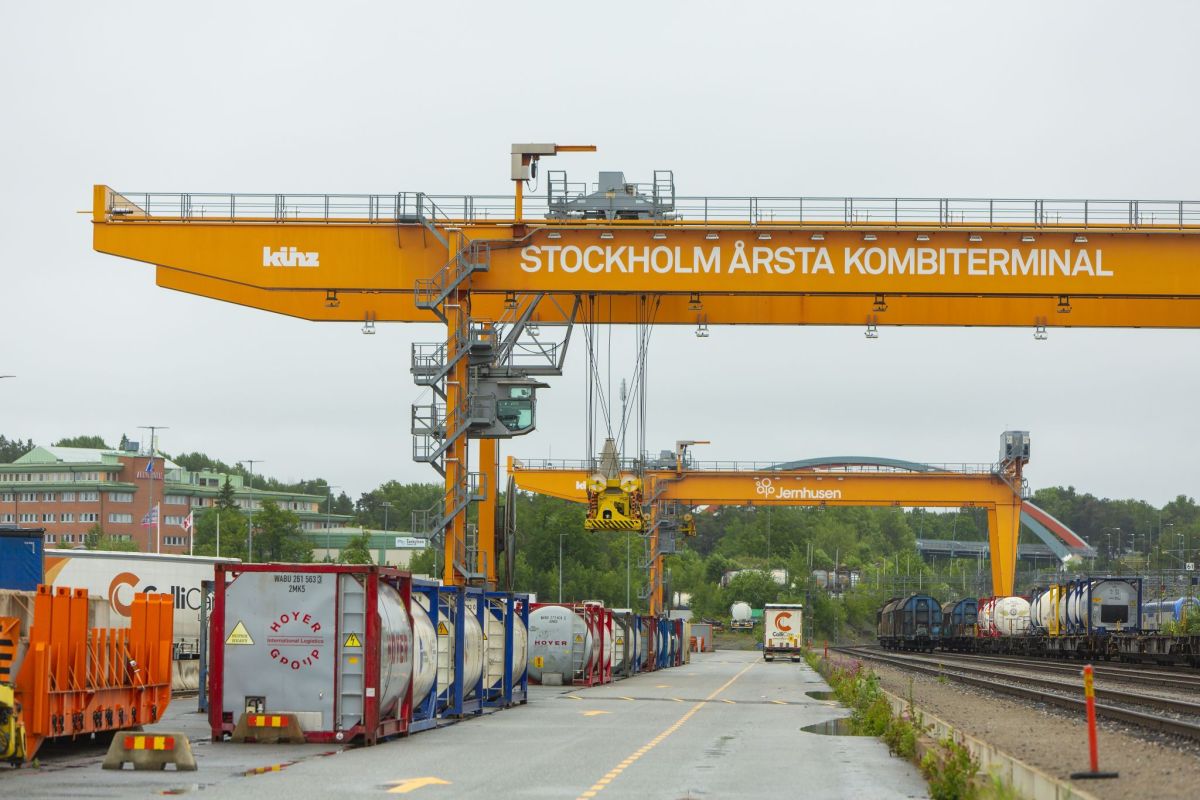
European rail and logistics stakeholders are calling for an urgent revision of the EU’s Combined Transport Directive, warning that the current framework is no longer fit for modern freight operations.
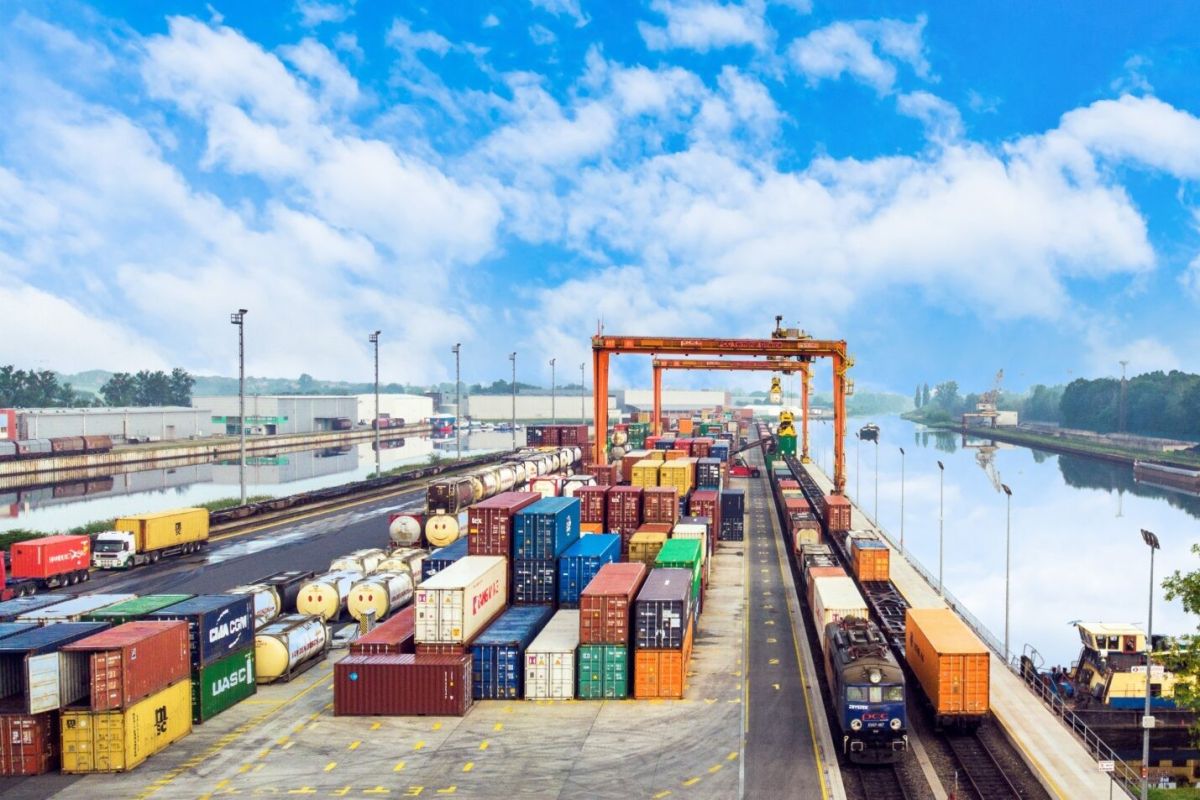
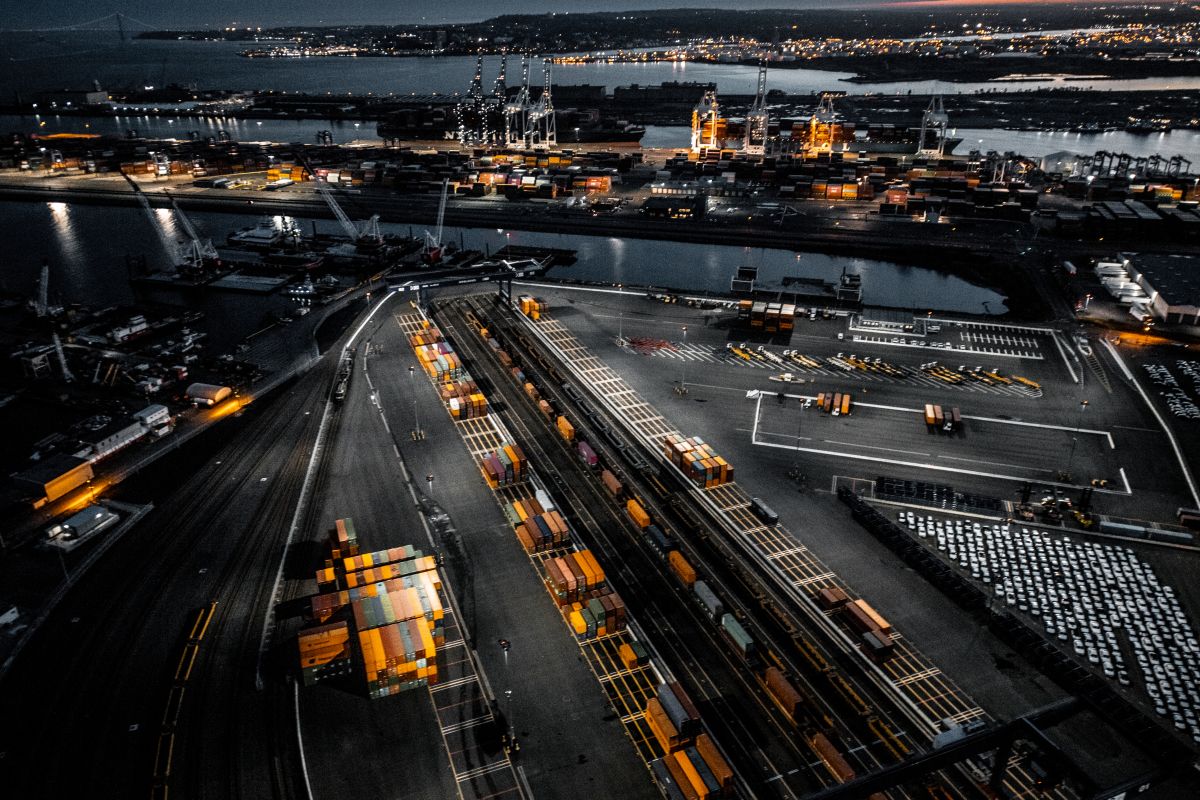
In a joint industry position paper, organisations including UIRR highlight that combined transport – integrating rail, inland waterways and short sea shipping – remains critical to achieving EU climate targets, while also improving energy efficiency and reducing congestion.
However, the sector argues that the existing directive is outdated, relying on definitions and procedures dating back to the 1990s. This has resulted in legal uncertainty, fragmented national implementation and administrative complexity, particularly affecting cross-border operations and smaller market players.
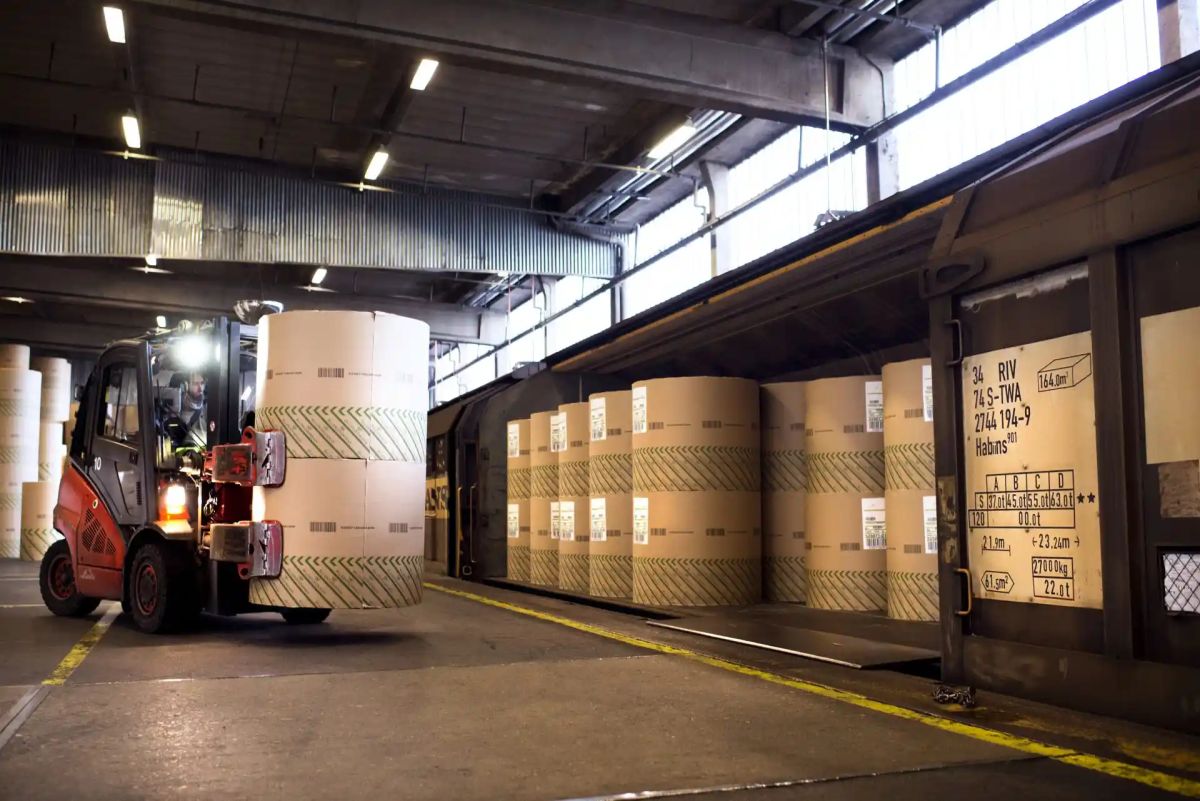
From an operational perspective, stakeholders stress that shifting freight from road to multimodal solutions requires reliable, cost-competitive and easy-to-use services, supported by adequate infrastructure, capacity and digital information flows.
The industry is therefore calling for a restart of legislative work on the directive, with a focus on delivering clearer rules and more consistent application across Member States.
Among the key recommendations are the introduction of harmonised eligibility criteria, greater legal certainty for cross-border supply chains and stronger digitalisation to reduce administrative burdens and improve enforcement.
Stakeholders also emphasise the need for effective national measures to support uptake, alongside regular evaluation of their impact.
From a broader perspective, the proposed changes are seen as essential to strengthening the competitiveness and resilience of European supply chains, while accelerating the shift towards more sustainable freight transport.
For the rail sector, the debate around the Combined Transport Directive highlights the growing importance of multimodal integration as a core element of EU transport policy in the coming years.