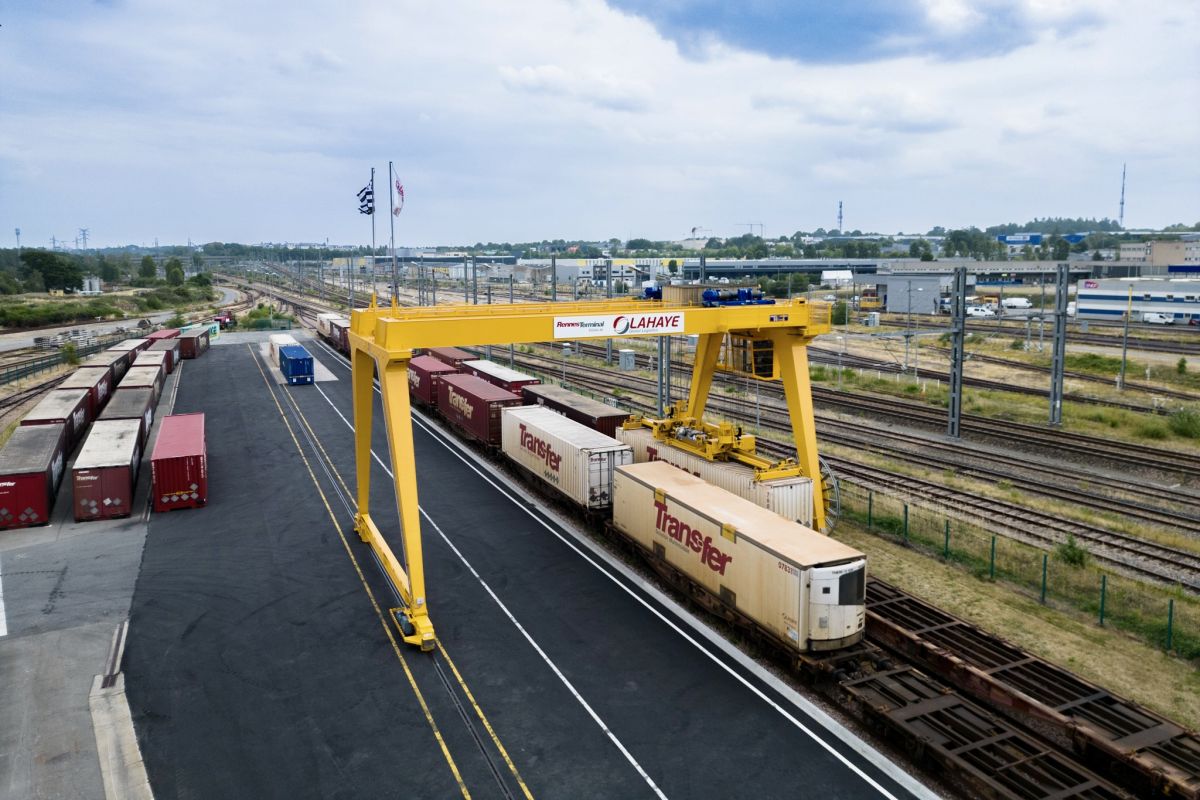
Renewed geopolitical tensions in the Middle East are once again pushing up oil prices, adding fresh cost pressure to Europe’s road freight sector and renewing attention on rail as a more stable transport option.
According to French logistics group Lahaye Global Logistics, fuel accounts for close to 20% of the cost base in road haulage. Even without physical shortages, oil price volatility is feeding directly into logistics costs for carriers, industrial shippers and distributors, particularly on long-distance transport.
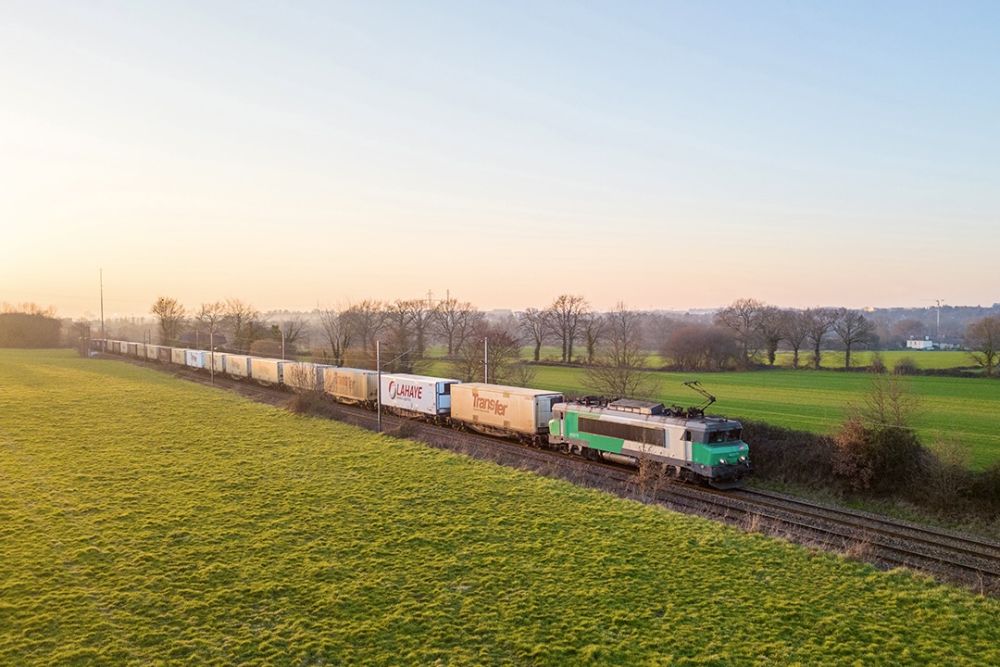
In this environment, rail is increasingly being presented as a buffer against energy-market instability. Because rail freight is largely based on electricity rather than diesel, it is less directly exposed to fluctuations in crude oil prices. This makes intermodal rail-road solutions more attractive at a time when transport operators are under pressure to improve cost predictability as well as emissions performance.
The discussion is not limited to modal shift alone. Lahaye also points to fleet electrification as another way to reduce dependence on fossil fuels in road freight. The company says it already operates electric trucks supported by charging infrastructure and plans further expansion, reflecting a broader logistics trend toward diversifying energy sources rather than relying solely on diesel.
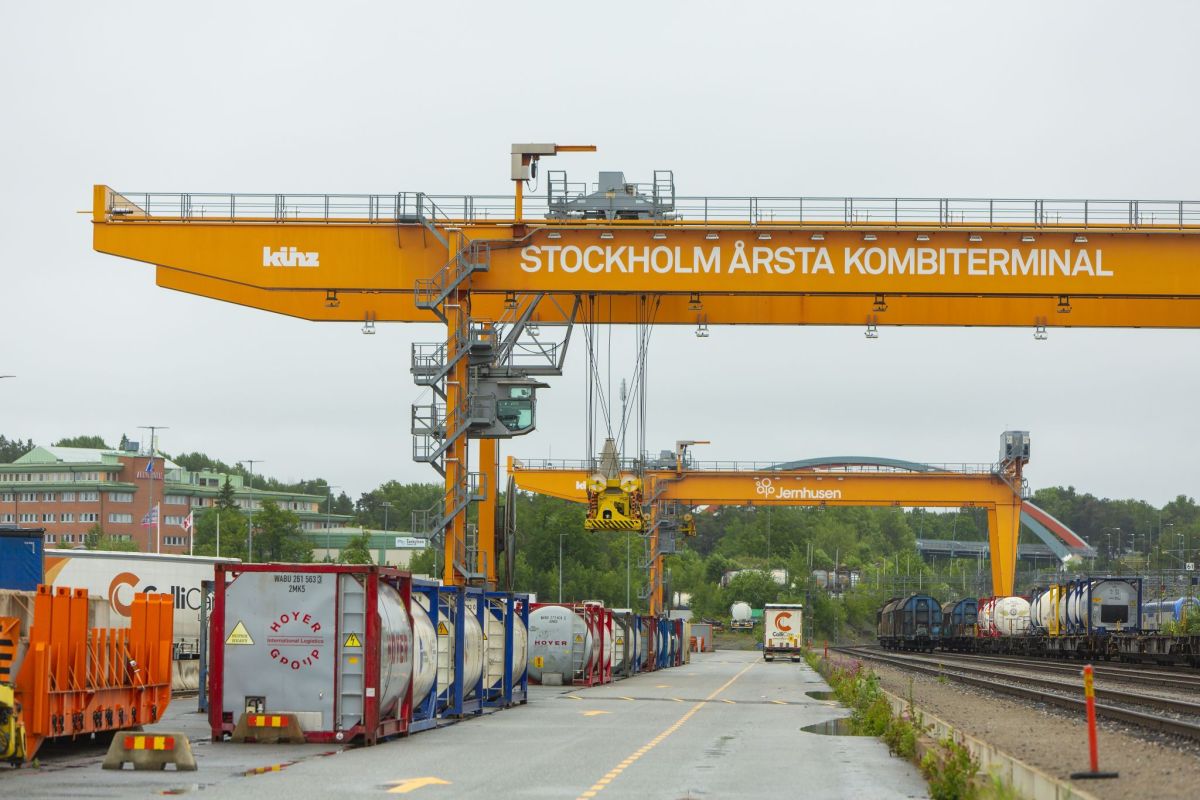
For the wider European freight market, the issue goes beyond one operator’s strategy. Rising energy costs are again exposing the structural vulnerability of diesel-based transport and strengthening the argument for a larger role for electrified rail and intermodal logistics in long-distance supply chains.