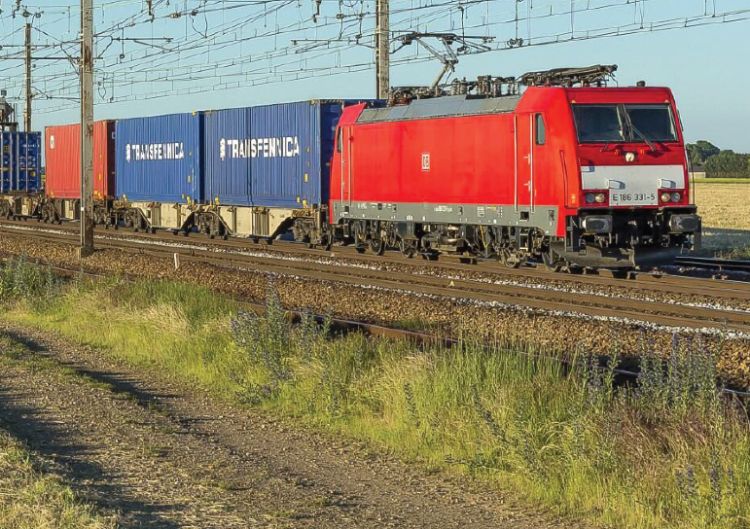
DB Cargo France has released an informational guide outlining how businesses can integrate rail freight into their logistics chains.
Transport planning: From volumes to corridors
The process for launching freight flows by rail begins with a detailed assessment of transport requirements, including origin-destination pairs, volume (tonnes or litres), containerisation type, desired transit times, and availability of wagons. DB Cargo France provides both block train and intermodal options, depending on the customer’s ability to consolidate shipments.
Customers are advised to plan three to six months in advance. For regular flows, planning can include requesting timetable paths (“sillons”) up to a year before operations commence. The company offers up to five rotations per week with an average of 20–22 wagons per train, supporting annual volumes ranging from 45,000 to 500,000 tonnes across its three key corridors (North, Atlantic, Mediterranean).
Train paths are requested from SNCF Réseau and aligned with the national annual service timetable. The procedure includes up to three months of coordination, involving technical compatibility checks, capacity reviews, and infrastructure availability. DB Cargo France’s 15-person planning team handles these negotiations directly with the infrastructure manager.
Fleet and maintenance: National and cross-border scope
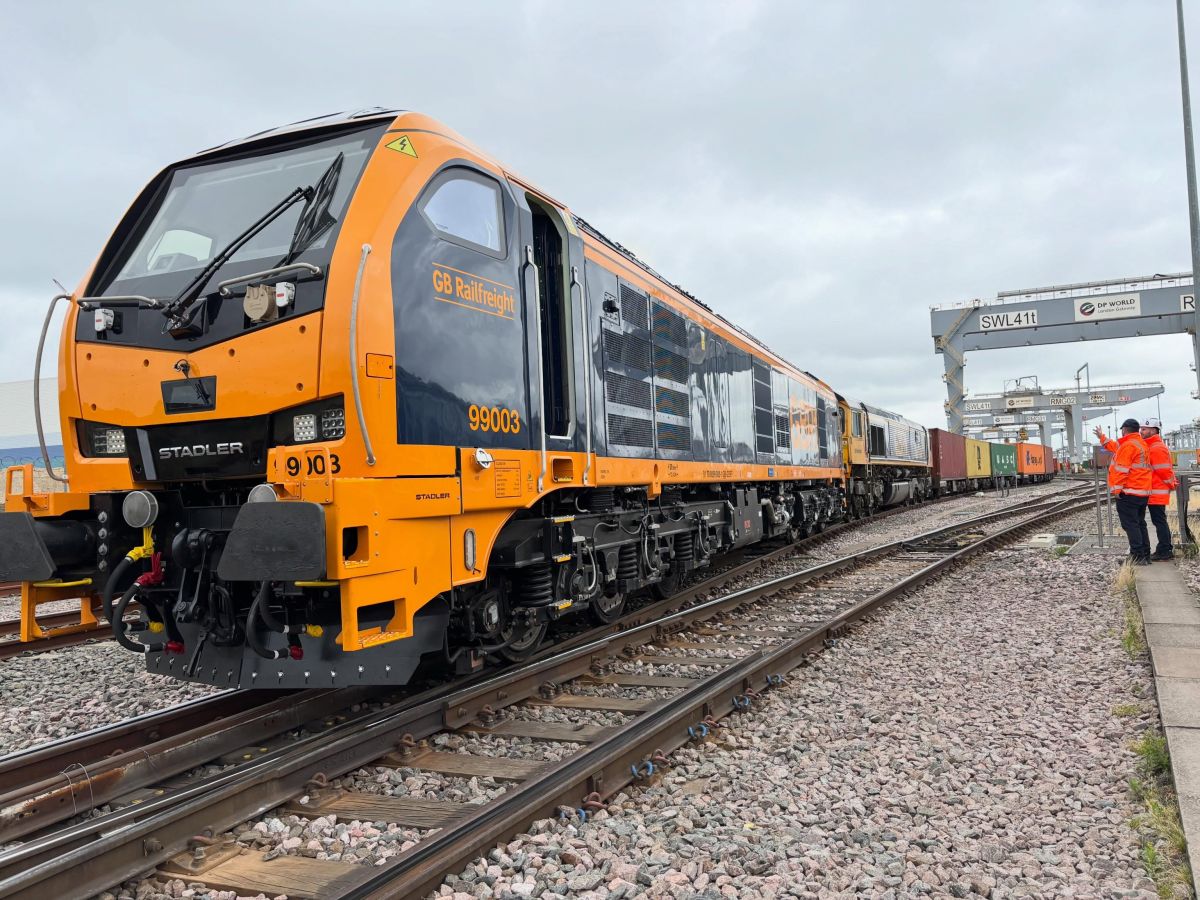
The company operates a mixed traction fleet:
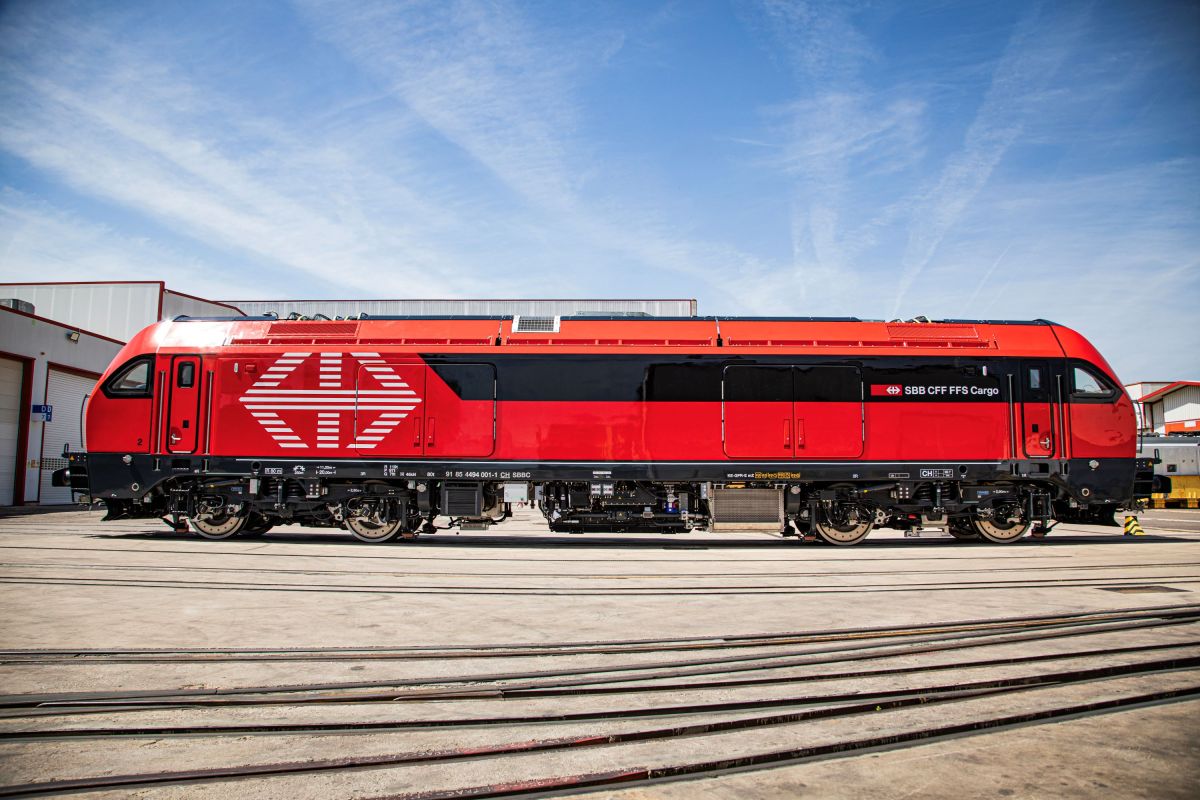
- 65 Alstom TRAXX MS locomotives
- 8 Alstom BB27000 locomotives
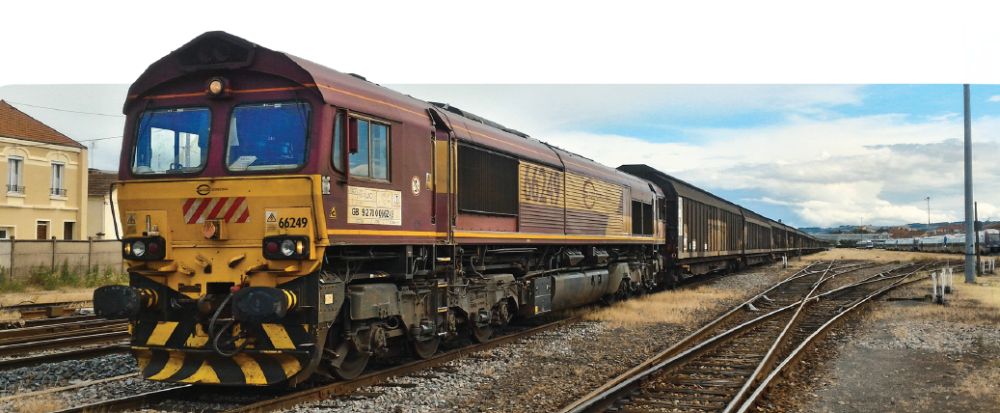
- 52 Class 66 locomotives
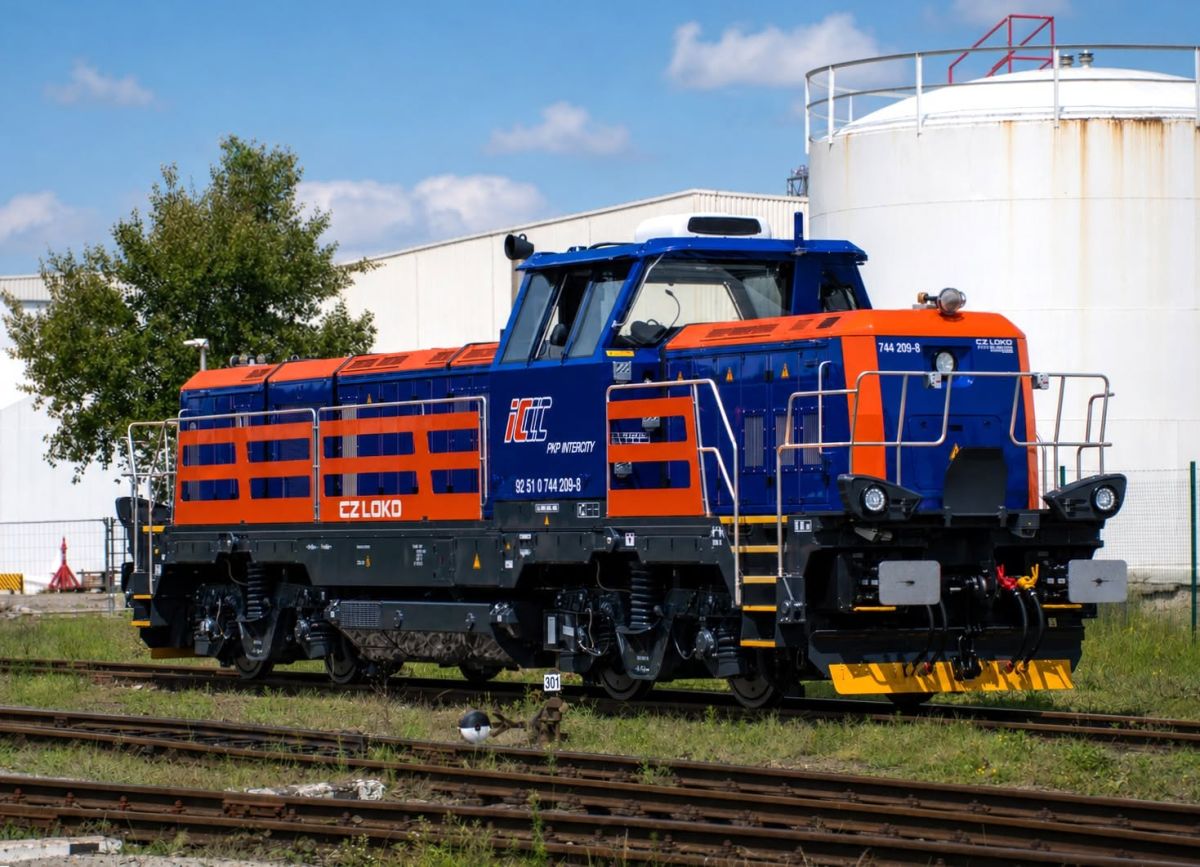
- 15 Vossloh G1000 locomotives
Electric traction is used for 80% of the trains, supported by maintenance operations that cover both DB Cargo France's own locomotives and customer wagons. Maintenance teams are on standby 24/7 for interventions related to sandboxes, pantograph issues, or catenary anomalies, particularly in extreme weather.
The fleet is configured to carry containers, swap bodies, and semi-trailers compatible with P400 profile, ensuring integration with multimodal flows via ports and terminals across Europe.
Operational characteristics and delay management
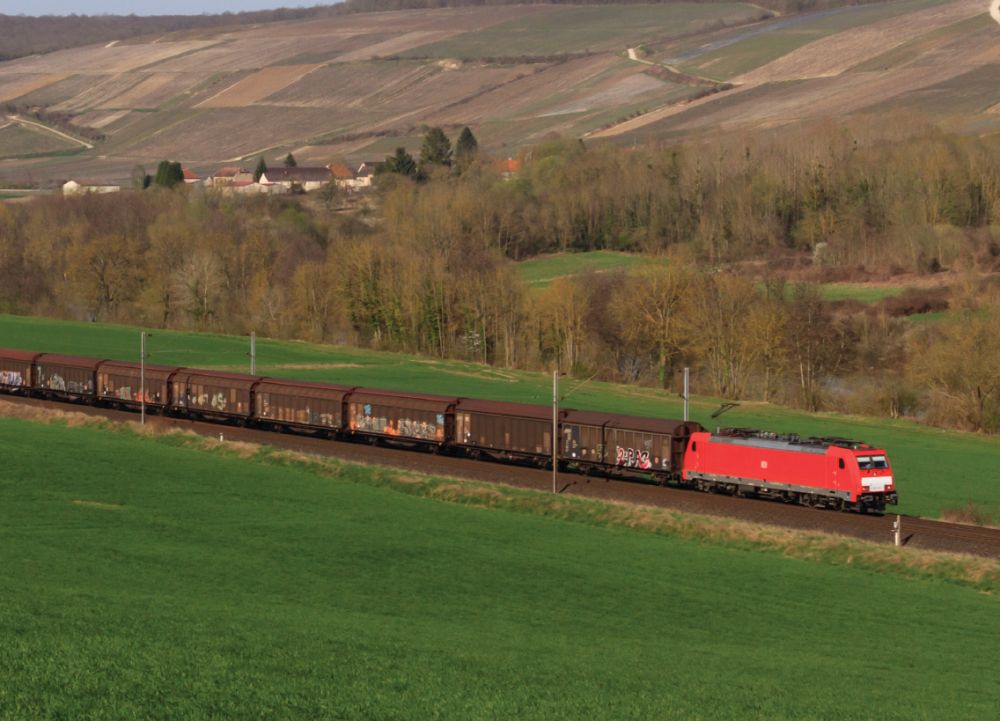
Operational punctuality is influenced by the prioritisation of passenger trains. A freight train is considered “on time” if it arrives within 60 minutes of schedule. However, stricter requirements apply to intermodal services due to final-mile road delivery deadlines.
Volume thresholds define service types:
- Above 500 tonnes/week: customers may access entire train capacity
- Below 500 tonnes/week: transport is conducted via intermodal units up to 30 tonnes each
Traffic is tracked in real time and customers receive ongoing service updates, re-planning options, and dedicated support.
Available state aid and investment incentives
To encourage modal shift, the French government supports rail freight through subsidies:
- Up to 50% of the investment cost for new or modernised rail branches (ITE)
- Energy Savings Certificates (CEE) for acquiring or leasing new intermodal wagons and equipment
- TRA-SE-116: support for shifting cargo from road to rail under a six-month freight contract
- TRA-EQ-101 & TRA-EQ-108: targeted grants for logistics firms and railway companies acquiring intermodal transport units or new wagons
- REMOVE: aimed at incentivising modal shift for shippers
These schemes aim to reduce cost barriers to entry and support long-term modal transition objectives, aligned with national decarbonisation policies.
Capacity and network integration
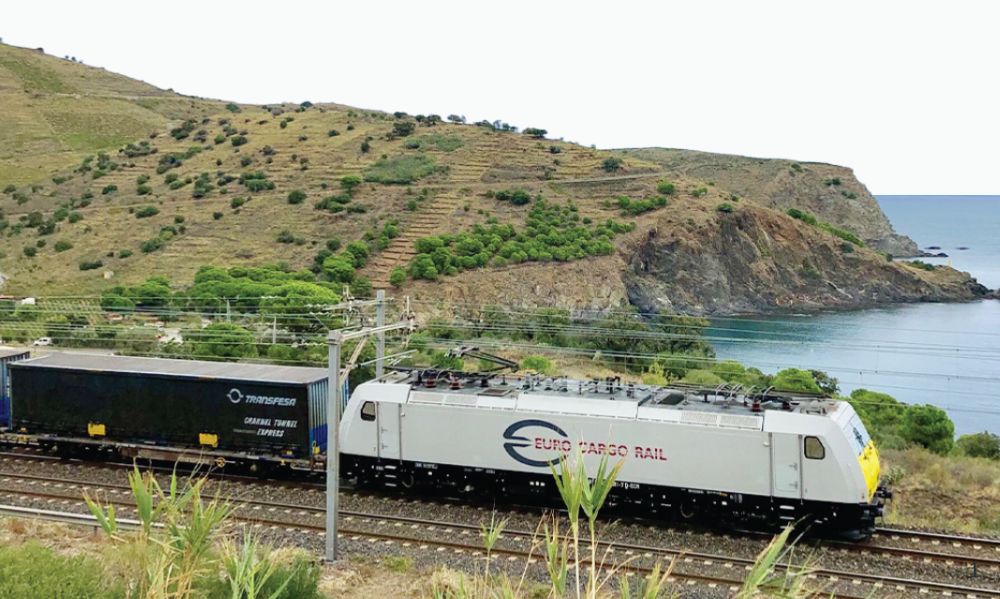
France operates 27,597 km of mainline track, second in Europe only to Germany. DB Cargo France leverages this infrastructure to connect with all neighbouring countries and serves key logistical hubs in Europe via its international network.
According to the company’s 2024 operational figures:
- 900 employees, including 400 drivers
- 23 branches and 3 operation centres
- 7.94 million tonnes of freight transported
- 9.17 million kilometres travelled
With regular access to terminals and dedicated customer service, the company offers full-service solutions for clients seeking to restructure their logistics chains with a rail component.