The South African Department of Transport has released a Request for Information (RFI) aimed at advancing the design of future procurement programmes for rail and port corridors across the country.
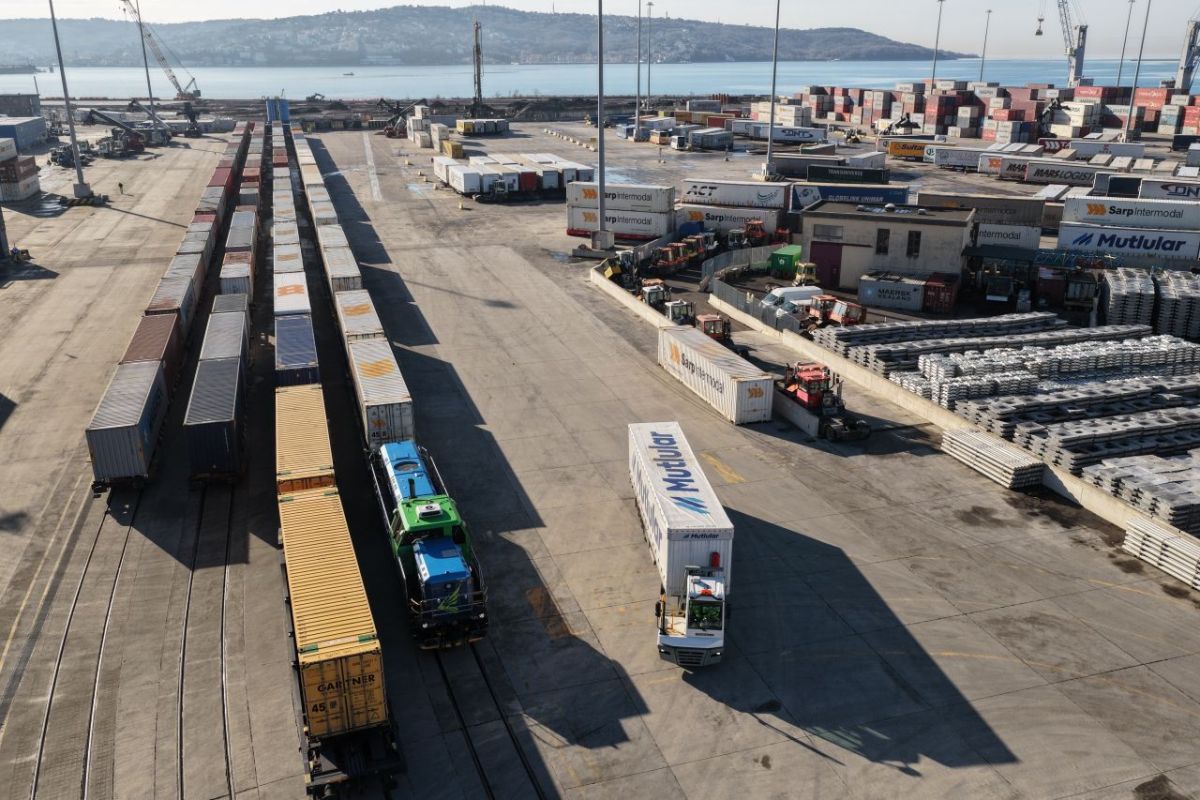
The request targets three major freight corridors:
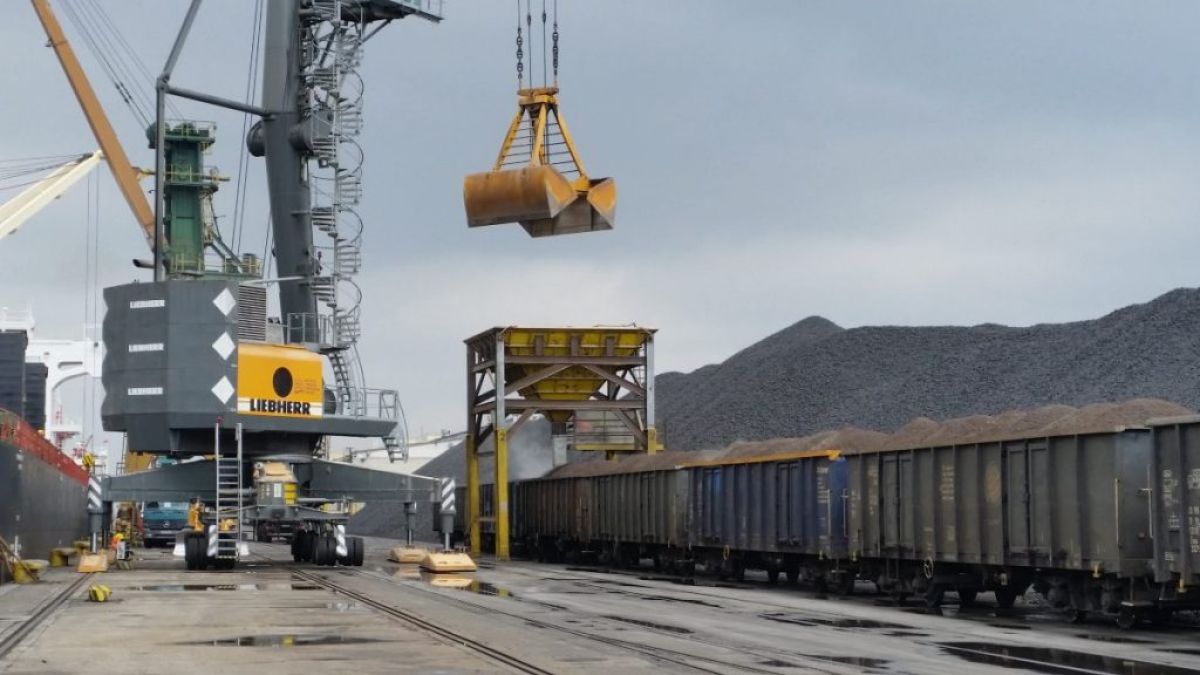
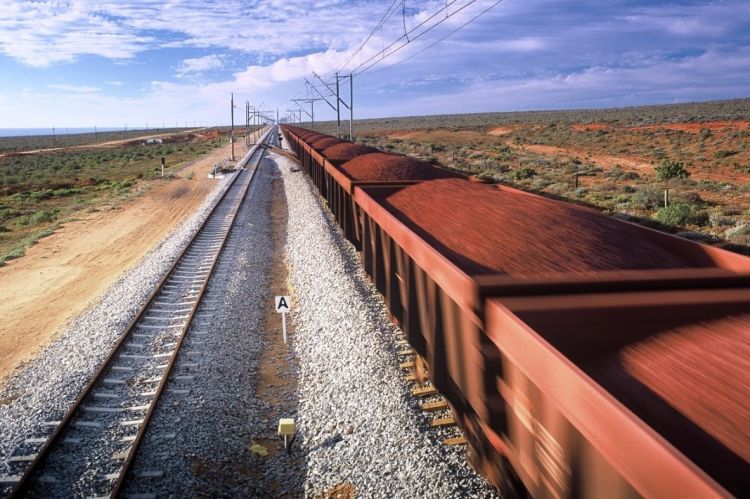
- The Northern Cape to Saldanha and Nelson Mandela Bay routes for bulk mineral exports (iron ore and manganese),
- The Limpopo and Mpumalanga to Richards Bay corridor for coal and chrome exports,
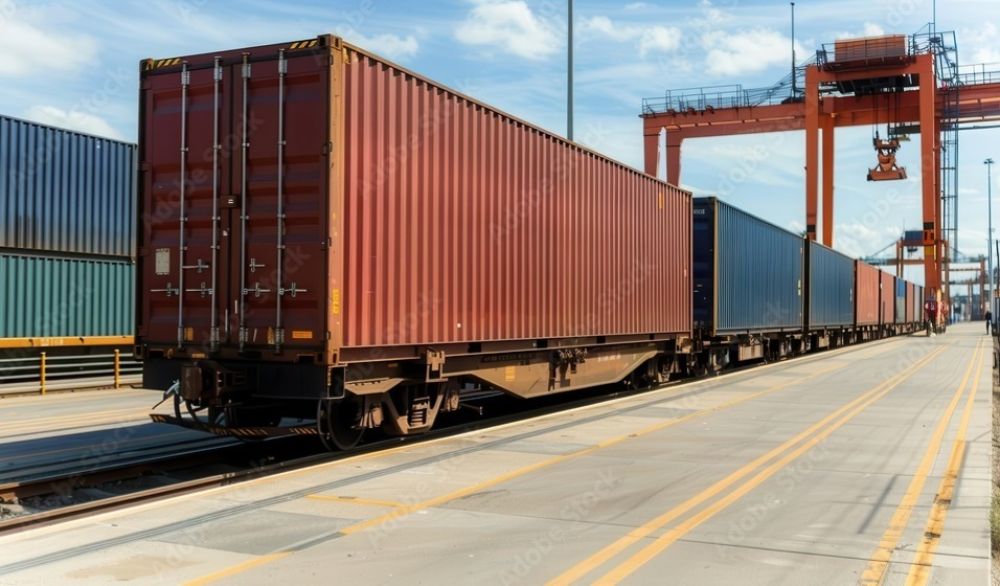
- The national Container and Automotive Intermodal Supply Chain.
These corridors have been identified as part of the first phase of PSP projects under the Department’s freight logistics reform initiative.
The objective is to finalise a “Framing Problem Statement” (FPS) for each corridor. The FPS will serve as the baseline for designing one or more PSP projects that could result in future procurement activities. Interested and affected parties (IAPs) are encouraged to contribute input to help the Department refine its understanding of infrastructure and operational challenges, capacity limitations, and investment needs.
The RFI is aligned with the White Paper on the National Rail Policy (2022), which outlines measures for introducing private sector access to the national rail network. It also draws on the National Commercial Ports Policy and the recently approved Roadmap for the Freight Logistics System (December 2023), which identifies freight rail recovery as an immediate priority.
Included in the scope are both freight and passenger segments. On the passenger side, the Department lists potential PSP projects such as Gauteng Metrorail depots in Johannesburg and Tshwane, the X’Trapolis train factory in Dunnotar, and re-signalling in Gauteng, KwaZulu-Natal, and the Western Cape.
According to the RFI, freight rail volumes dropped from 226 million tonnes per annum in 2017/18 to 149.5 million tonnes in 2023/24. The Department has set a target of reaching 250 million tonnes annually by mid-2029. The Department notes that current funding constraints at state-owned operator Transnet limit infrastructure investment capacity, creating the need for alternative sources of capital prior to the PSP projects reaching financial close.
The RFI further outlines a request for market insight into pit-to-port solutions for bulk commodities and end-to-end supply chains for containers, automotive, agriculture, and other general freight. Respondents are invited to share data on existing volumes, future demand, and perceived systemic constraints that could affect logistics performance.
While the RFI is not a procurement invitation, it serves as a formal mechanism to gather input that may influence the design of PSP initiatives. Responses must be submitted via the Department’s online platform by 18h00 on 9 May 2025.
Late or incomplete submissions may be excluded from consideration. The Department may also request clarifications or additional presentations from respondents, and reserves the right to modify or withdraw the RFI or future PSP project proposals at its discretion.