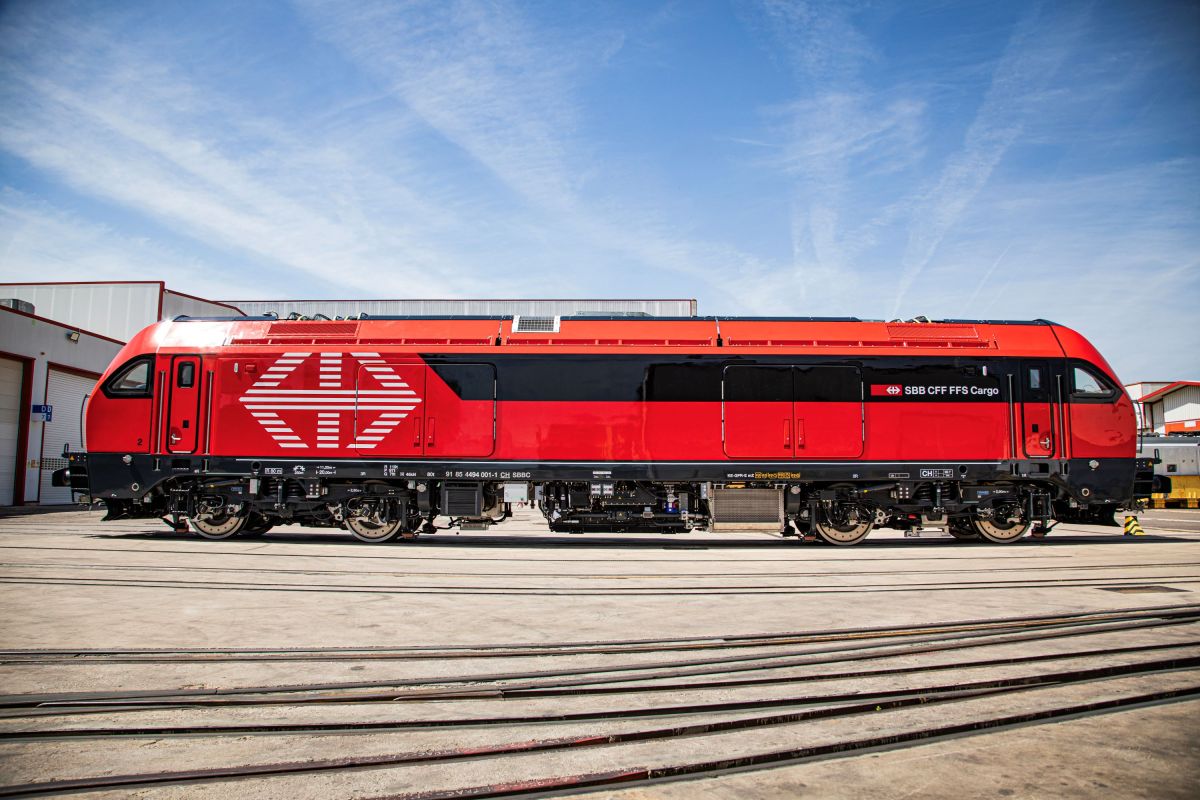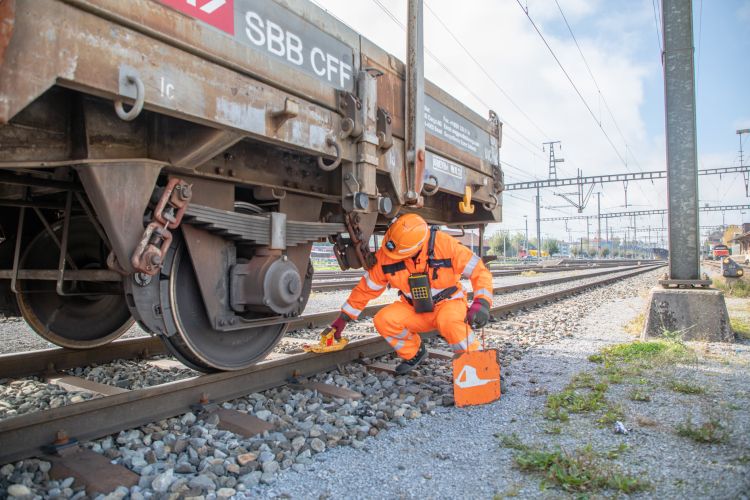
SBB Cargo Switzerland has announced plans to cut approximately 80 full-time positions by the end of 2025, citing lower freight volumes and financial losses.
Workforce reduction and internal adjustments
The planned reductions will primarily affect administrative and operational roles. SBB Cargo Switzerland, which currently employs around 2,250 full-time staff, intends to manage the process through internal transfers and natural attrition, minimizing direct layoffs. The company states that the broader SBB Group, which employs approximately 35,500 people, has seen an overall increase in staff numbers, with most new hires in operational roles such as train crews, engineers, technicians, and IT specialists.
Adapting to market conditions
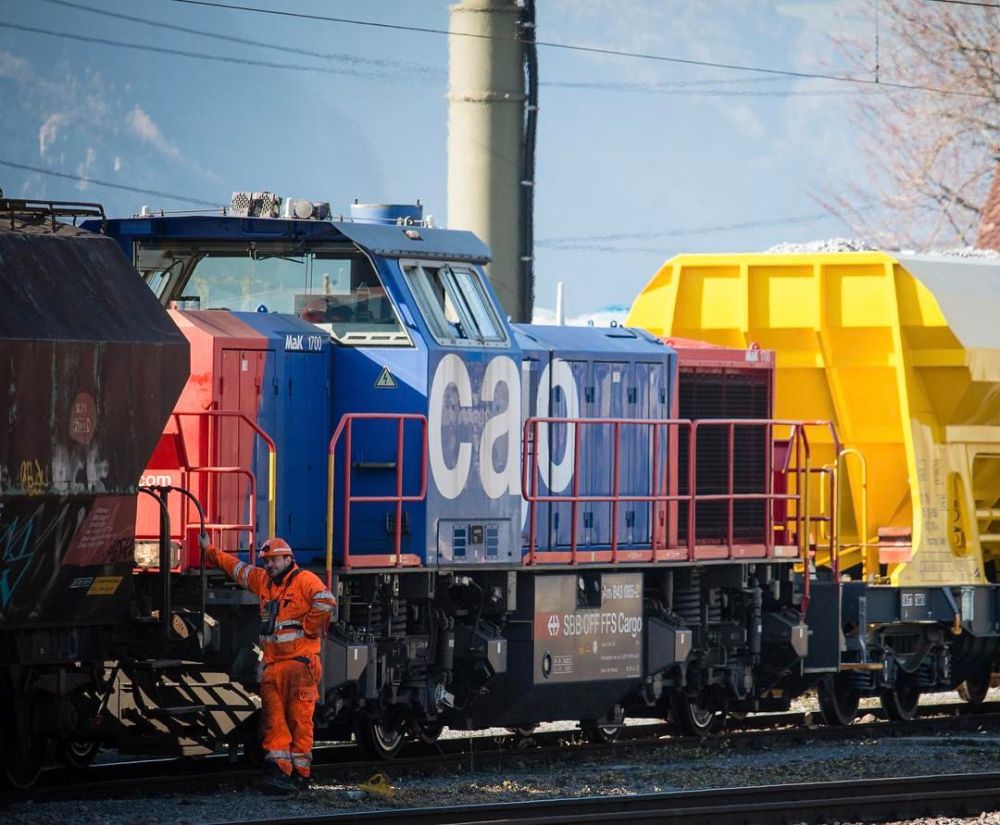
SBB Cargo Switzerland has reported higher-than-anticipated financial losses for 2024, driven by a decline in transported volumes. In response, the company is focusing on cost reduction, revenue growth, and improved capacity utilization. Investments in fleet modernization, automation, and operational restructuring are part of an effort to align services with demand and improve cost efficiency.
The company is also working on a revised freight transport model in collaboration with major customers, aiming to optimize single wagonload operations and integrate road transport where necessary. The long-term objective is to transition toward a network where rail is used primarily for long-distance and heavy cargo shipments.

Policy and financial considerations
As part of its restructuring efforts, SBB Cargo Switzerland is seeking temporary financial support from the Swiss federal government. The company views this assistance as a transitional measure, allowing it to adjust operations while maintaining service levels. The revised approach aligns with the "Suisse Cargo Logistics" framework introduced in 2022, which outlines a shift toward a cost-covering business model without reliance on public funding.