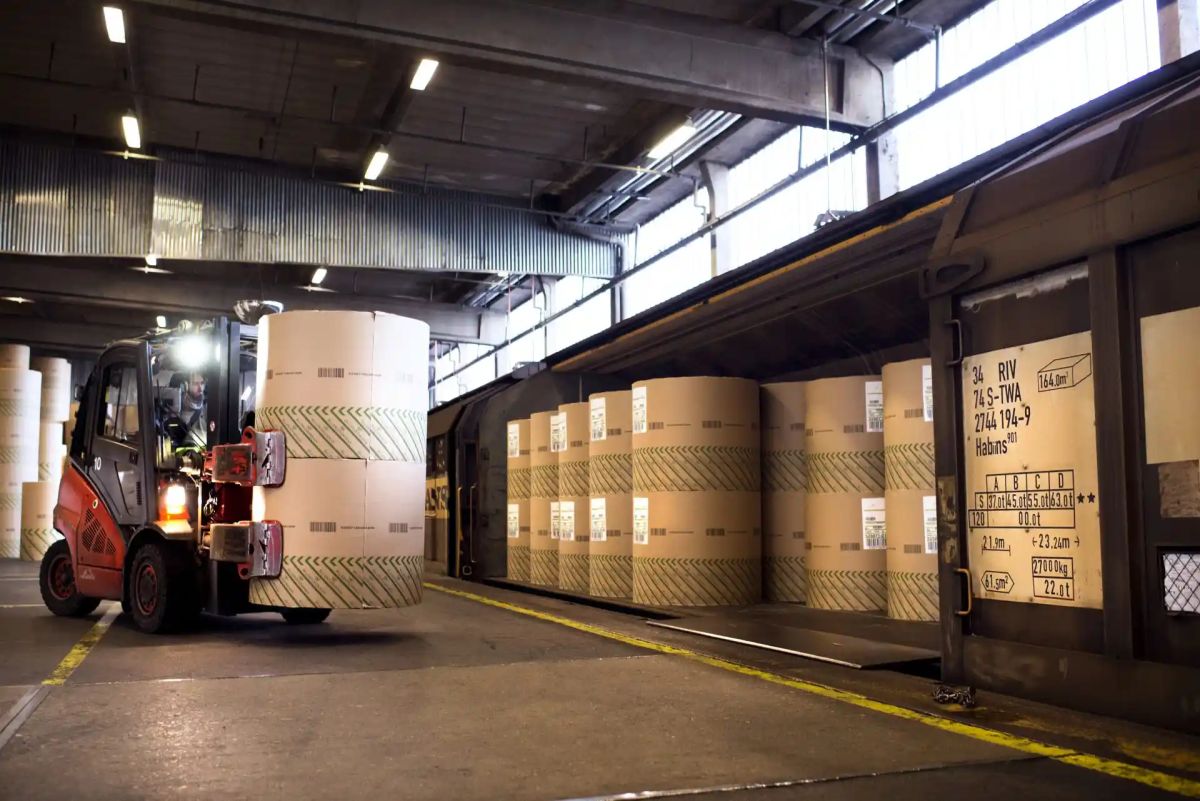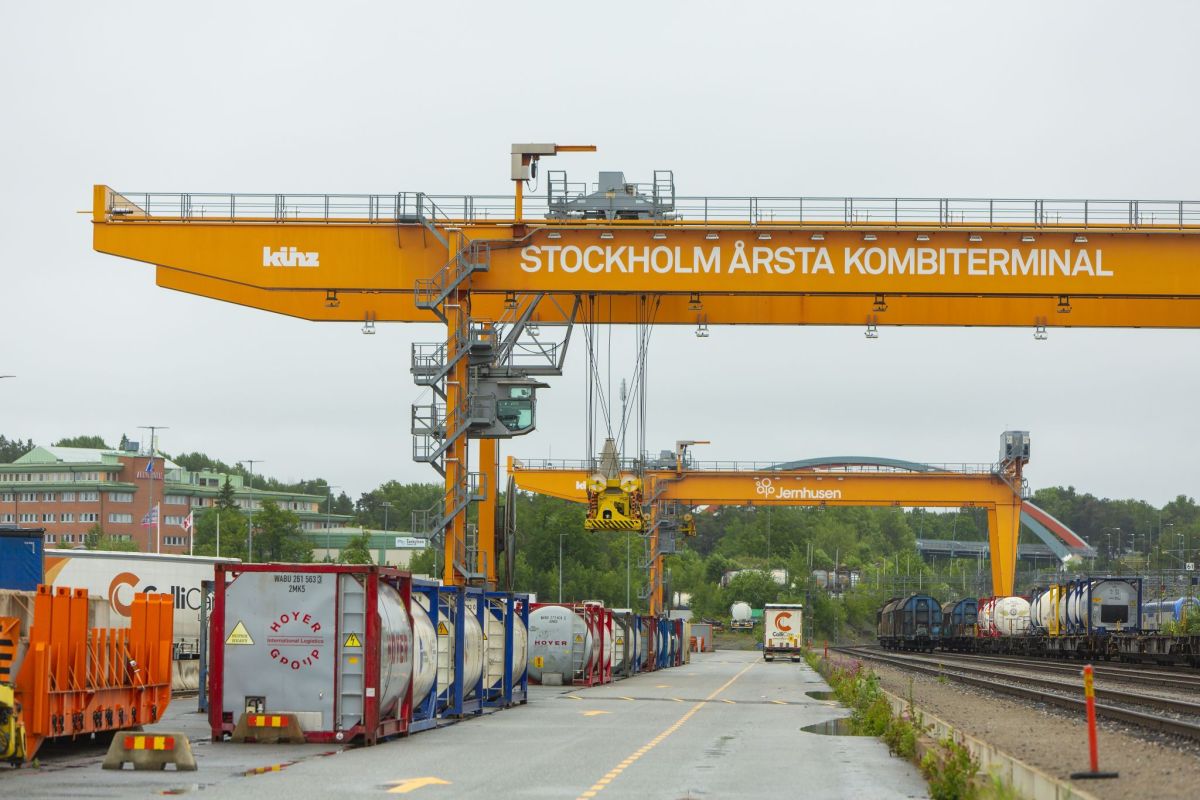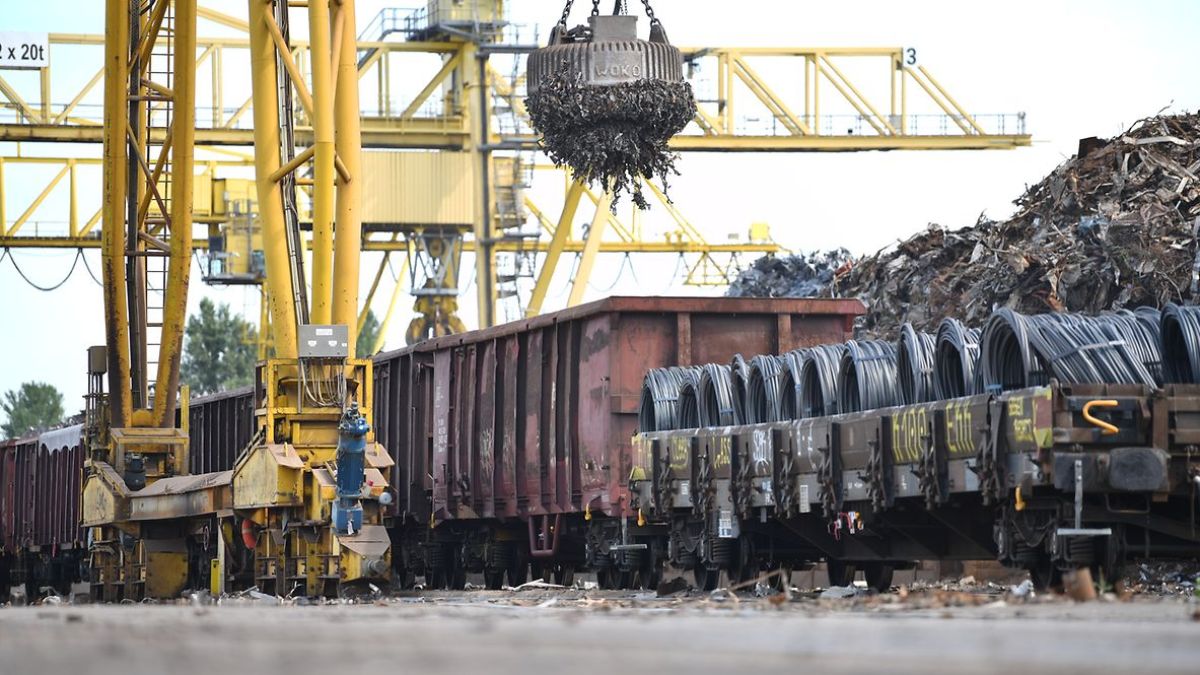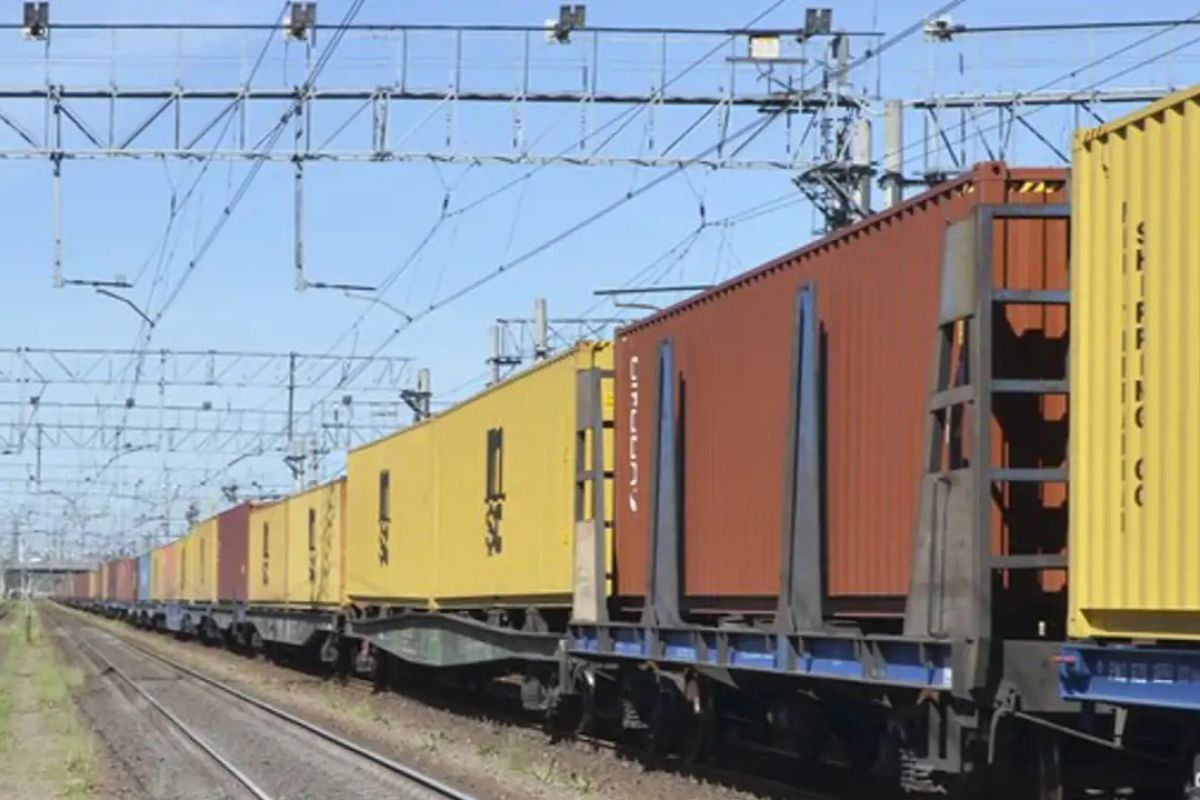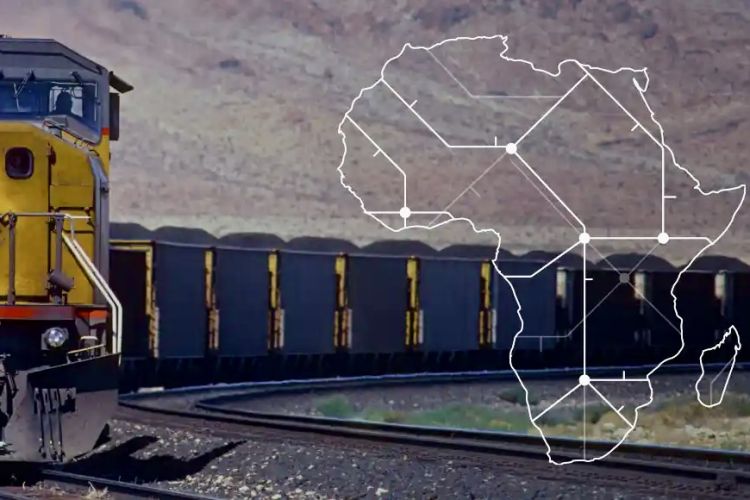
These resources are mainly mining commodities, agricultural products, containers and bulk liquids.
Ronnie Ntuli, Chairman of Thelo Group, said: "We are mobilising capital from investors in Africa and internationally and leveraging world-class engineering and operational capabilities to create large-scale interconnected transport and logistics corridors for Africa."
Most of Africa's freight is bulk agricultural and mineral commodities, including strategic minerals for export. However, the continent's current rail network is dilapidated, resulting in a lot of stranded freight. National operators also lack sufficient capacity to move freight, leading to a heavy reliance on trucks and the road network, which carry 80% of goods. Thelo Group's rail transport and infrastructure development projects aim to address these issues, providing a more efficient and cost-effective solution that will significantly reduce reliance on trucks.
To improve its delivery model, Thelo will change its relationship with DB Engineering & Consulting (DB E&C), a subsidiary of Deutsche Bahn, from an equity joint venture to an exclusive strategic partnership. DB E&C will be Thelo's technical partner throughout sub-Saharan Africa.
Stefan Geisperger, Managing Director for International Markets at DB Engineering & Consulting, said: "Our global and long-standing experience and expertise in the railway sector, coupled with our ongoing valued relationship with Thelo, is critical to meeting Africa's critical need for integrated transport infrastructure."
Thelo's offering of interconnected transport corridors is a response to Africa's transport challenges and a strategic move to support the single market of the African Continental Free Trade Area (AfCFTA). As a result of the AfCFTA, the transport sector is expected to grow by nearly 50%, significantly boosting intra-African trade. Currently, logistics-related transport costs in Africa are up to 75% higher than in other parts of the world.
The scale of Africa's transport and logistics challenges is clear. With the creation of the AfCFTA, intra-African trade is expected to increase by 81% by 2035, highlighting the critical importance of various transport modes, including rail, ports and rolling stock. The transport sector is expected to expand by nearly 50% as a result of the AfCFTA. Underscoring the scale of Africa's challenge, the African Development Bank estimates that road, air, rail and port infrastructure will require investment of between US$35 billion and US$47 billion per year.