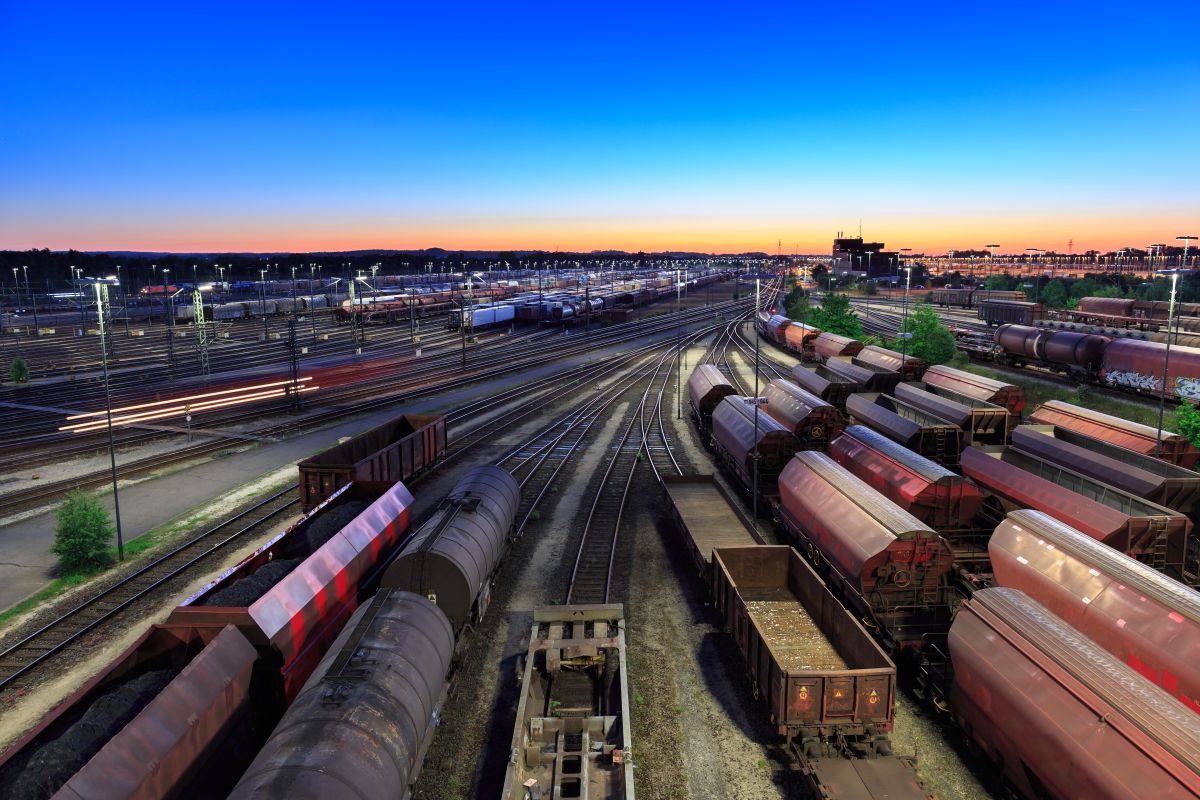
Businesses, political representatives, and municipalities from Germany and the Czech Republic have issued the "Karlsbad Declaration," advocating for the modernization and electrification of several key railway lines connecting the Czech Republic with Bavaria and Saxony. Despite two decades passing since the European Union's eastern expansion, many rail lines in Germany remain outdated, affecting efficiency and connectivity.
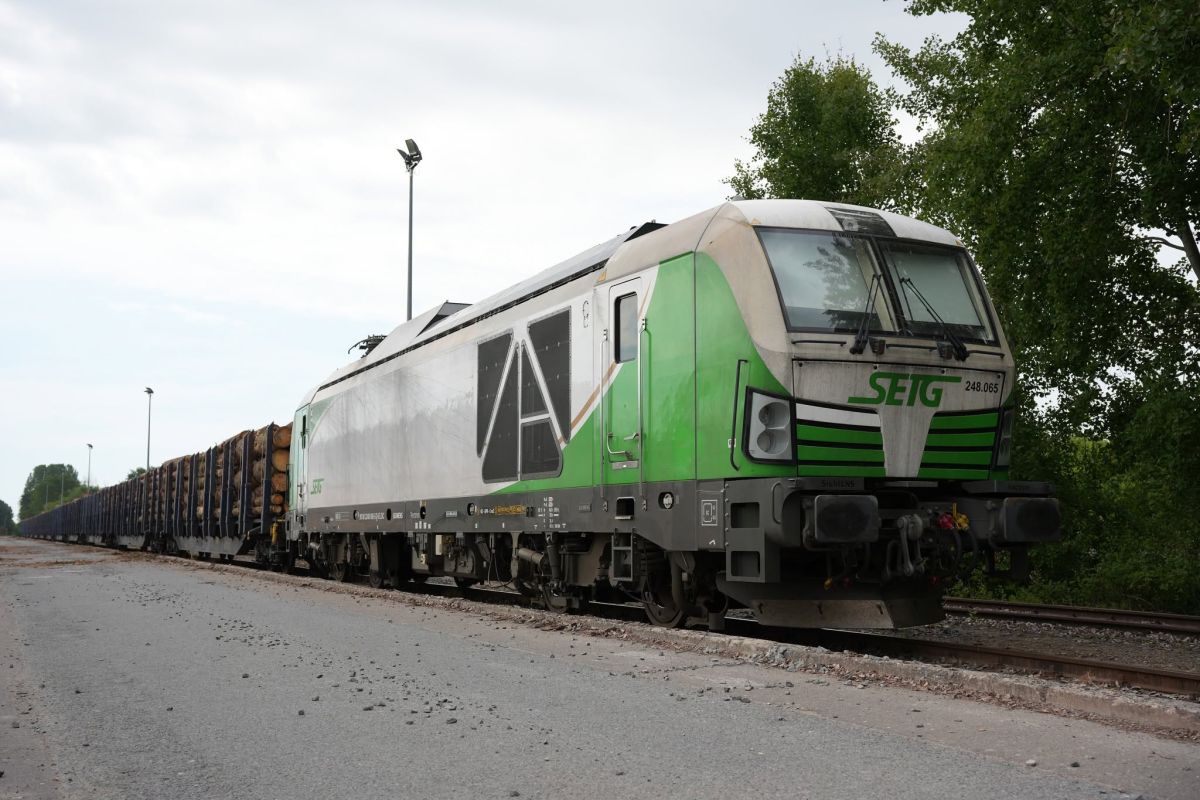
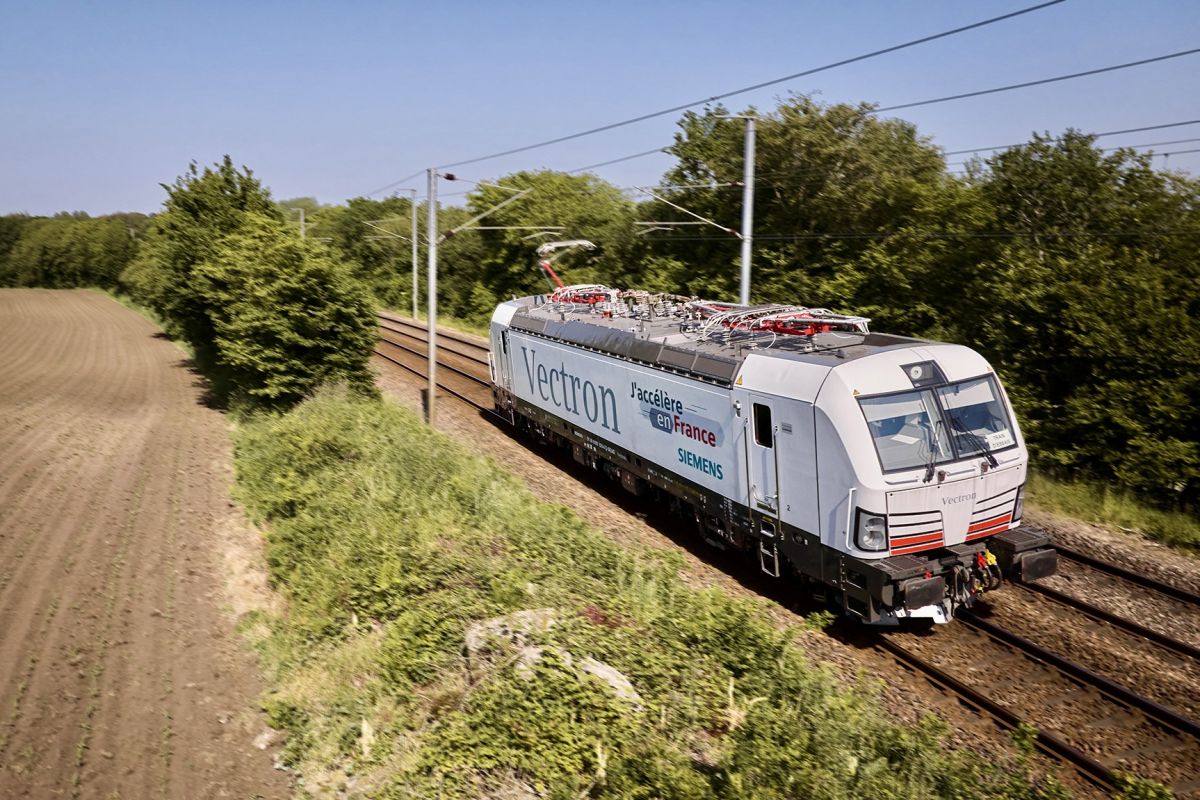
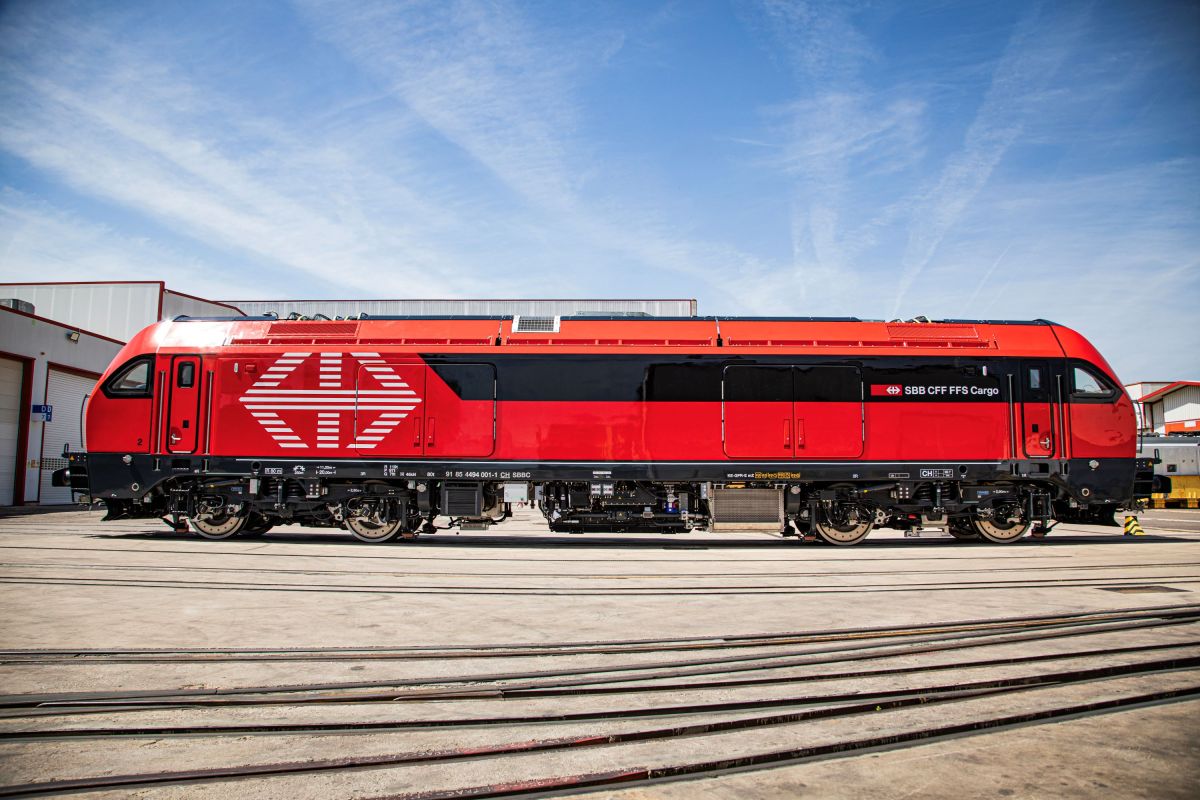
DIE GÜTERBAHNEN, a German rail freight organization, has expressed strong support for the initiative, emphasising the benefits of switching from diesel to electric trains, particularly in southeastern Germany. Electrification offers potential for seamless cross-border connectivity, reducing environmental impact while maintaining high-performance standards for freight transport. Current challenges include political and budgetary barriers, which have limited the electrification of Germany’s rail network to 62 percent.
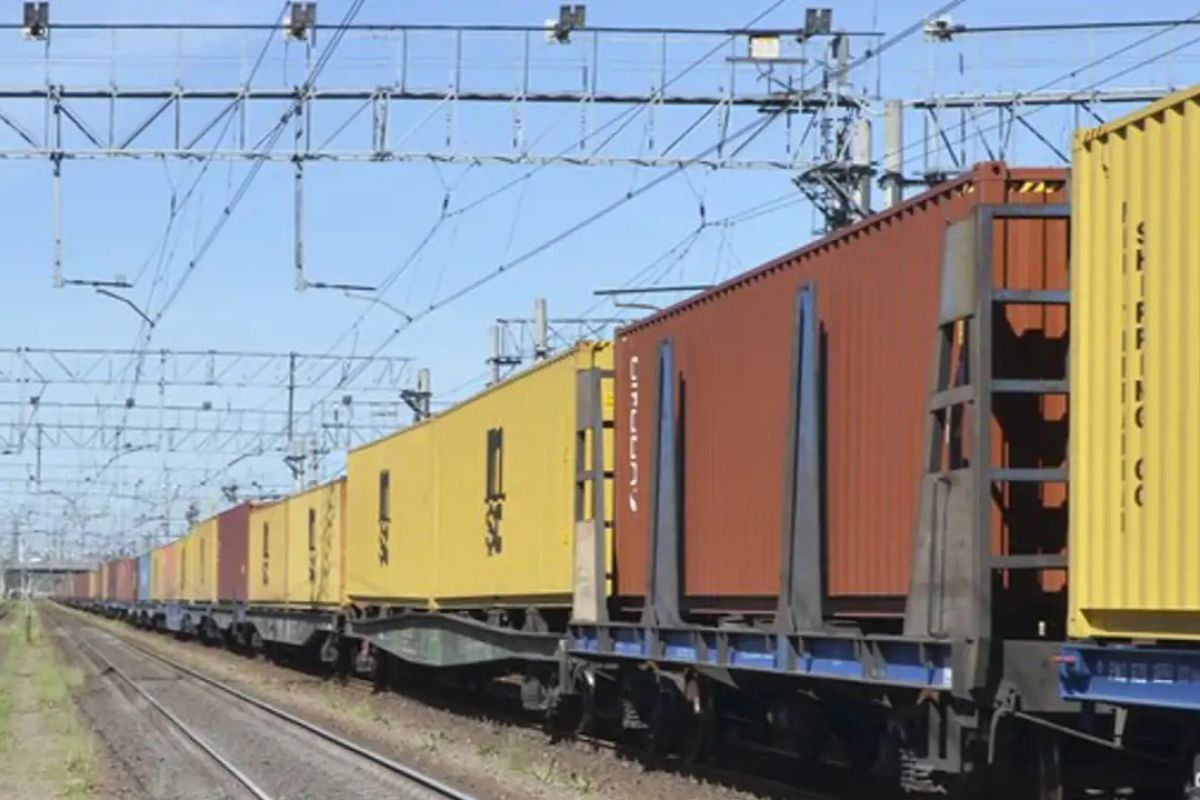
Freight rail growth in the Czech-Saxon Elbe Valley corridor is on the edge of capacity, yet the only real and direct modern connectivity by rail between the two countries. The consistent delays in upgrading lines like Hof-Marktredwitz-Regensburg and Nuremberg-Marktredwitz-Cheb have affected progress in eastern and northern Bavaria, and competitiveness of freight rail against road transport between Czechia, eastern Europe and Germany.
DIE GÜTERBAHNEN has advocated for modernizing these routes to improve rail transport efficiency and reliability, strengthening the rail network’s resilience across the region. The renewed collaboration between transport officials from Prague, Munich, and Dresden—expressed through the "Karlsbad Declaration"—aims to accelerate these goals for greater regional connectivity.