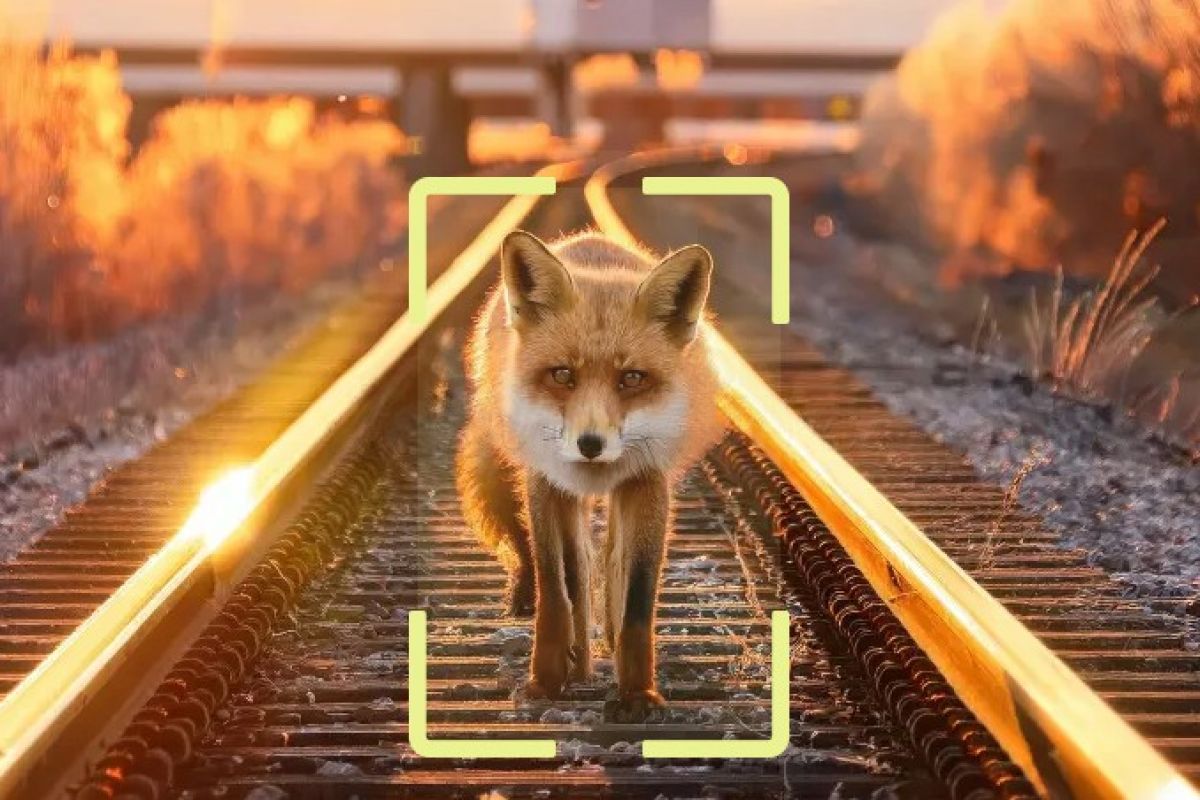
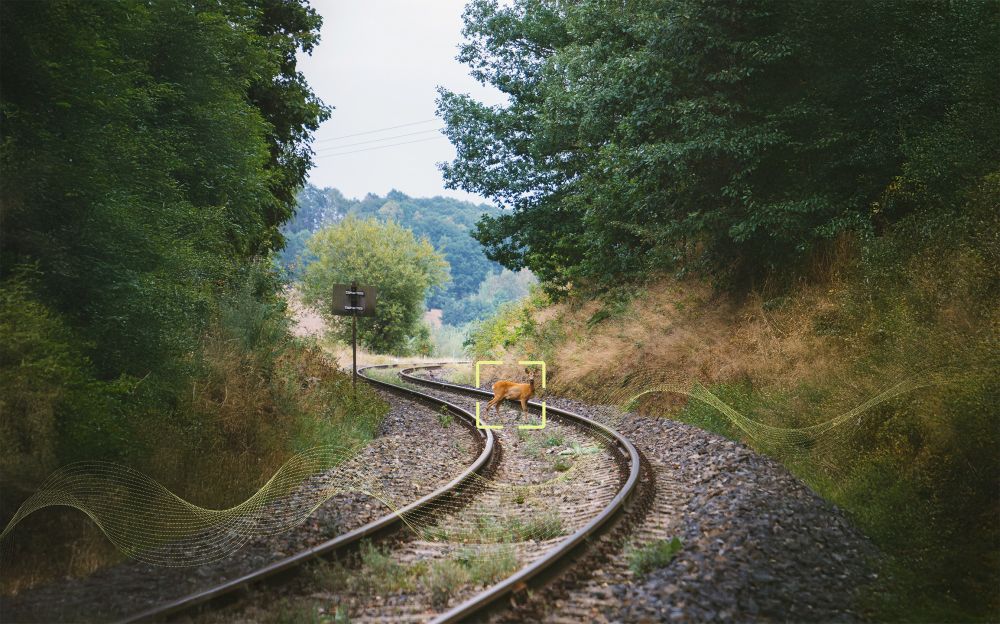
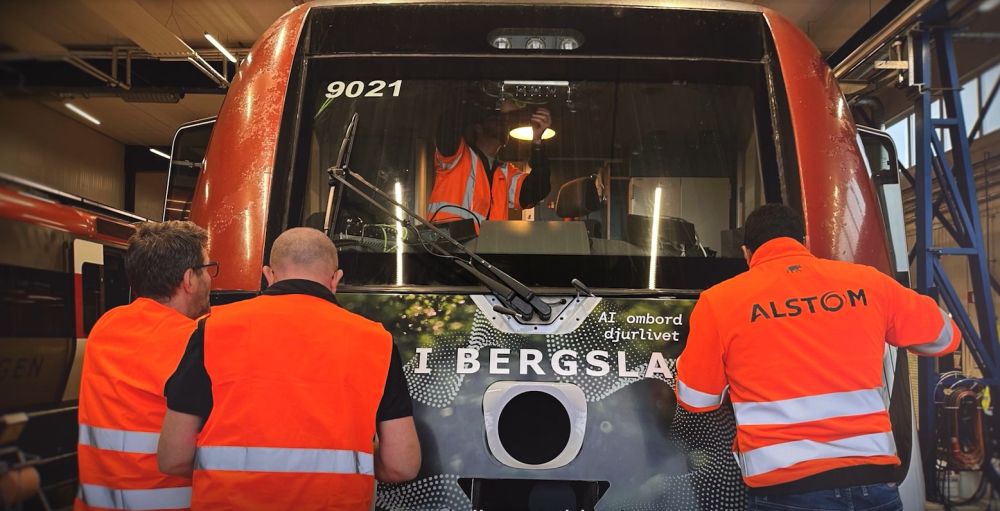
Alstom and Swedish technology company Flox Intelligence have launched field trials of an AI-based wildlife detection and deterrence system on several railway lines in Sweden. The second phase of testing began in April 2026, combining real-time video detection with automated sound deterrence to reduce animal collisions, which account for around 5,000 reported incidents annually on the Swedish network.
When an animal is detected, the system activates tailored audio signals designed to drive it away from the track area. In the initial test phase, the AI identified species including moose, roe deer, fox and wild boar.
Trials are being conducted in cooperation with regional authority Tåg i Bergslagen and its operator VR. Test sections include Dalabanan, Bergslagsbanan, Godsstråket genom Bergslagen and Bergslagenpendeln. Alstom’s existing partnership agreement with Tåg i Bergslagen covers the evaluation of new technologies, including the current AI application.
Each detection is logged and categorised to refine the system’s recognition capabilities. During the trials, identification accuracy was higher for farm animals and bird species such as crows and pigeons, while further data training was required to achieve comparable precision for larger wildlife such as moose and roe deer.
Data collected during the tests is also being used to analyse animal movement patterns near the track and assess the effectiveness of existing wildlife fencing. According to the project partners, the system has recorded smaller species and birds that are not typically captured in railway incident statistics.
The project receives funding support from Sweden’s innovation agency Vinnova. Development work has been coordinated through Alstom’s Innovation Station in Stockholm, opened in 2023 as a hub for collaboration with Nordic operators and technology companies.