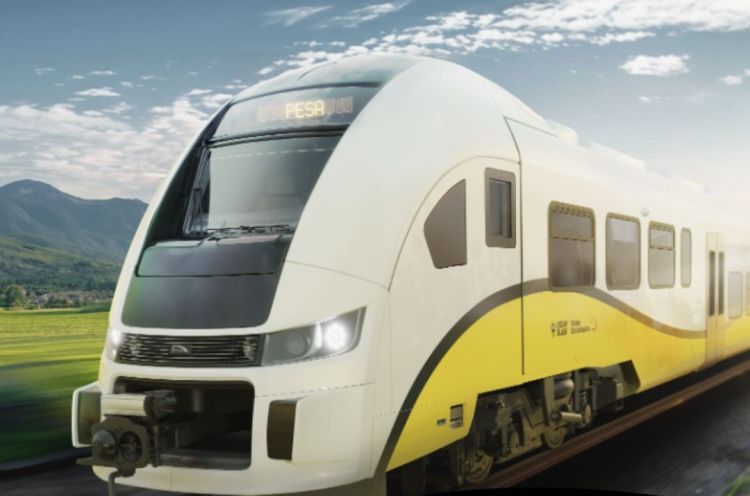
Koleje Dolnośląskie has signed a contract for the delivery of ten two-car diesel multiple units from PESA.
The new rolling stock is intended for use on lines without overhead traction, including those serving towns such as Ząbkowice Śląskie, Dzierżoniów, Bielawa, and Świdnica. Additional deployments are expected in areas where electrification is not yet planned or underway.
The order follows previous acquisitions of electric and hybrid units, partially funded through EU mechanisms. Unlike earlier dual-mode purchases, the current order focuses exclusively on diesel propulsion adapted for low-emission operation.
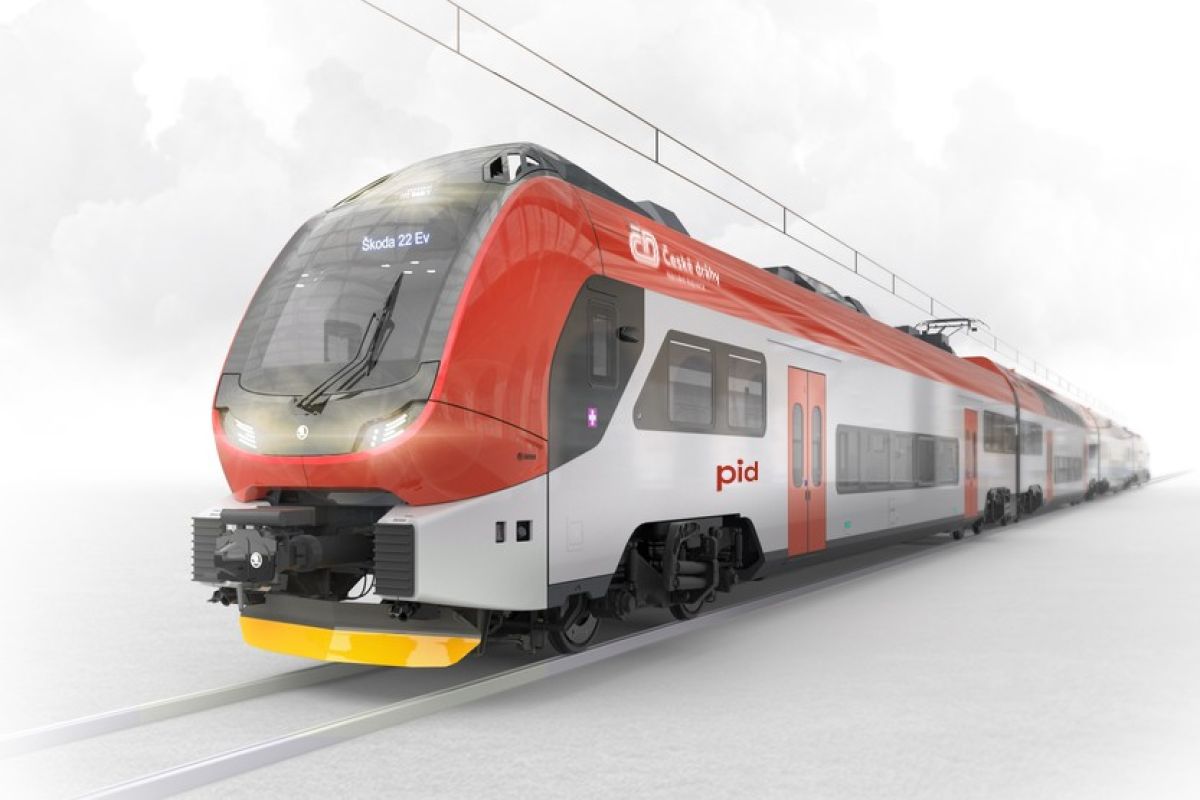
Designated as type 231M, the trains are powered by Rolls-Royce diesel engines designed for compatibility with alternative fuels. According to the manufacturer, the combustion system is capable of running on blends that reduce CO₂ emissions by up to 90%. The top speed of the units is 120 km/h.
Each trainset features 115 fixed seats and a two-section layout suitable for regional operations. The vehicles will be delivered in a white and yellow livery aligned with KD’s existing visual identity. The units are also homologated for operation on Czech infrastructure, enabling cross-border services into neighbouring regions.

The delivery of the first train is expected by June 2027. The contract includes an option for the purchase of up to 20 additional units, subject to available financing. Koleje Dolnośląskie has secured a loan from PKO Bank Polski for the initial ten-train acquisition.
The procurement supports continued operations on regional corridors where electrification remains incomplete, including the historically discussed Podsudecka Line through Jawor, Strzegom, and Świdnica. The trains will form part of a feeder system, operating on secondary routes with connections to mainline services using higher-capacity EMUs.
Pesa has previously delivered similar DMUs to the Czech Republic under the RegioFoxy brand, where they are currently in operation across the Hradec Králové region. The Lower Silesian batch represents the first such units ordered for regular passenger use on Polish territory.