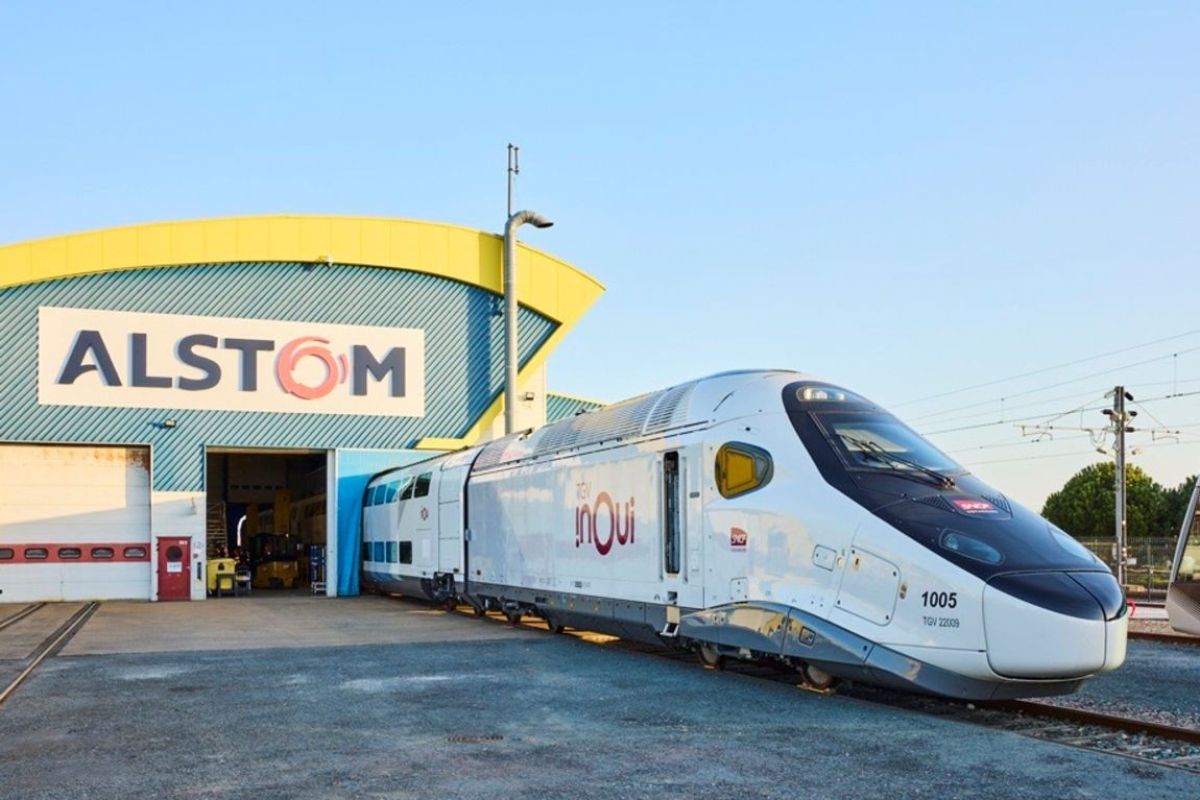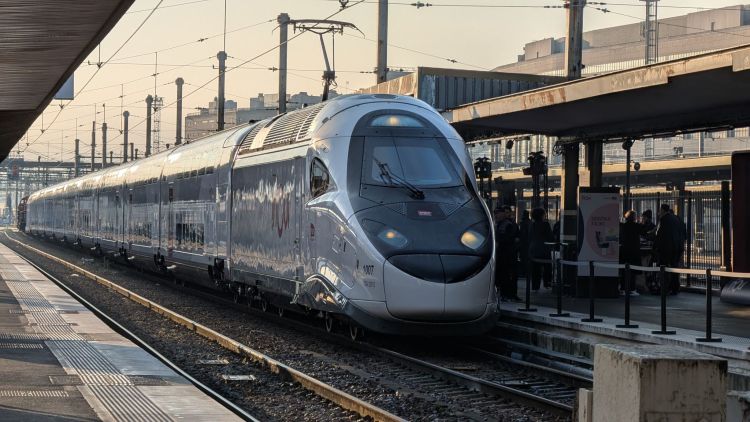
SNCF Voyageurs and Alstom have unveiled the interior fittings of the future TGV INOUI, starting passenger service in 2026. The project, launched in 2016, has involved collaboration between SNCF Voyageurs and Alstom within the framework of an innovation partnership, supported by the French government through ADEME (French Environment and Energy Management Agency) and SGPI (General Secretariat for Investment).
New design and increased capacity
The fifth generation of TGV features a modular design, allowing adjustments in the number of cars and seating configurations. The new TGV INOUI will have nine passenger cars, increasing seating capacity by 20% compared to current models. The configuration can accommodate up to 740 passengers in maximum capacity. The interior design, created by the French agency AREP and the Japanese studio Nendo, focuses on fluidity and comfort, with soft, rounded forms inspired by nature.
Better passenger experience
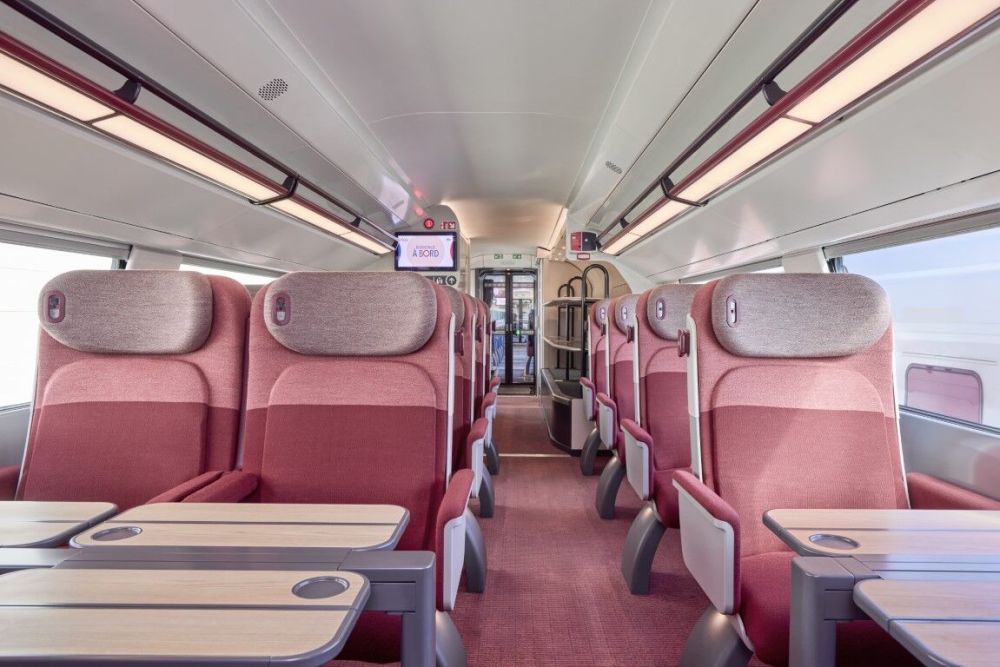
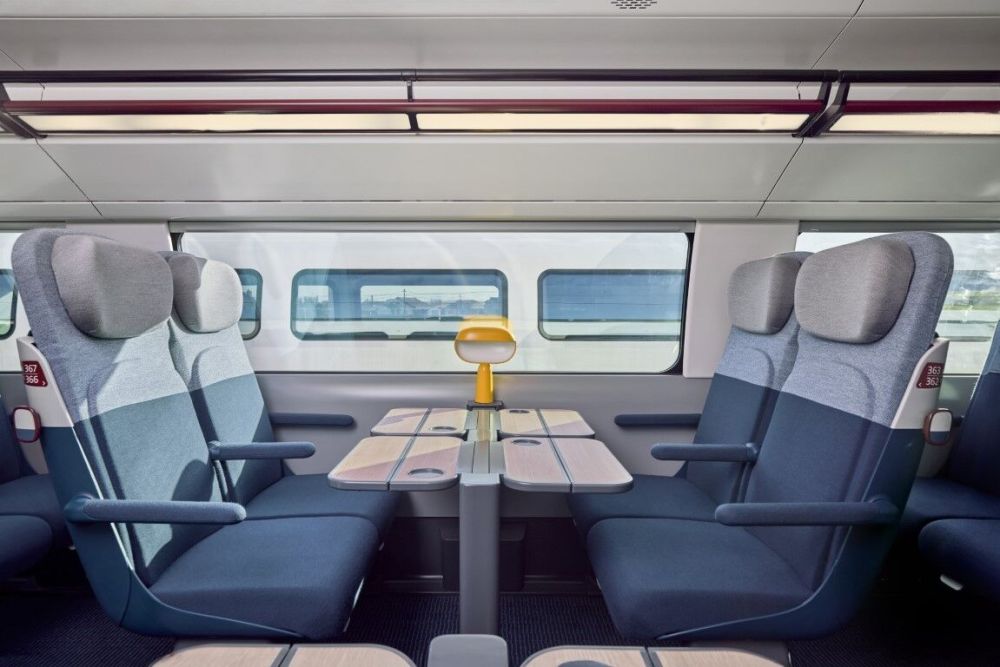
The seating in both first and second class has been redesigned for improved comfort. First-class seats are wider and offer additional features such as adjustable headrests and enhanced reclining functions. Second-class seats include more legroom, improved individual lighting, and additional storage options. The new seating design incorporates recyclable materials and ergonomic adjustments based on passenger feedback.
The TGV INOUI will also feature a redesigned bar area, renamed the Bistro TGV INOUI. It will have two levels — a self-service shop and a seating area with 28 seats. The menu will include French bistro-style options, with a focus on locally sourced ingredients.
Accessibility and sustainability
Accessibility features have been integrated into the train's design. Passengers using wheelchairs will have access to designated seating, a lift for boarding, and accessible restroom facilities. Visually impaired passengers will benefit from tactile numbering and an enhanced passenger information system.
The train is expected to be 20% more energy efficient due to improved aerodynamics and lightweight materials. It will be constructed using 25% recycled materials and will be 97% recyclable at the end of its lifecycle.
Testing and certification
The train began homologation testing in 2022, including six months of trials at the VUZ Velim test center in the Czech Republic. High-speed tests on the national rail network started in mid-2023, reaching speeds of up to 320 km/h. Admission tests are expected to conclude by mid-2025, followed by pre-operational trials with passenger simulation before the train enters service on the South-East route in 2026.
Future Developments
Modernization work at SNCF Voyageurs' maintenance centers is underway to accommodate the new trains. The Technicentre Sud-Est Européen (TSEE) will be the first facility to handle the new TGV INOUI. The TSEE upgrades include renewable energy sources and improved maintenance systems designed to support the new train’s digital monitoring capabilities.