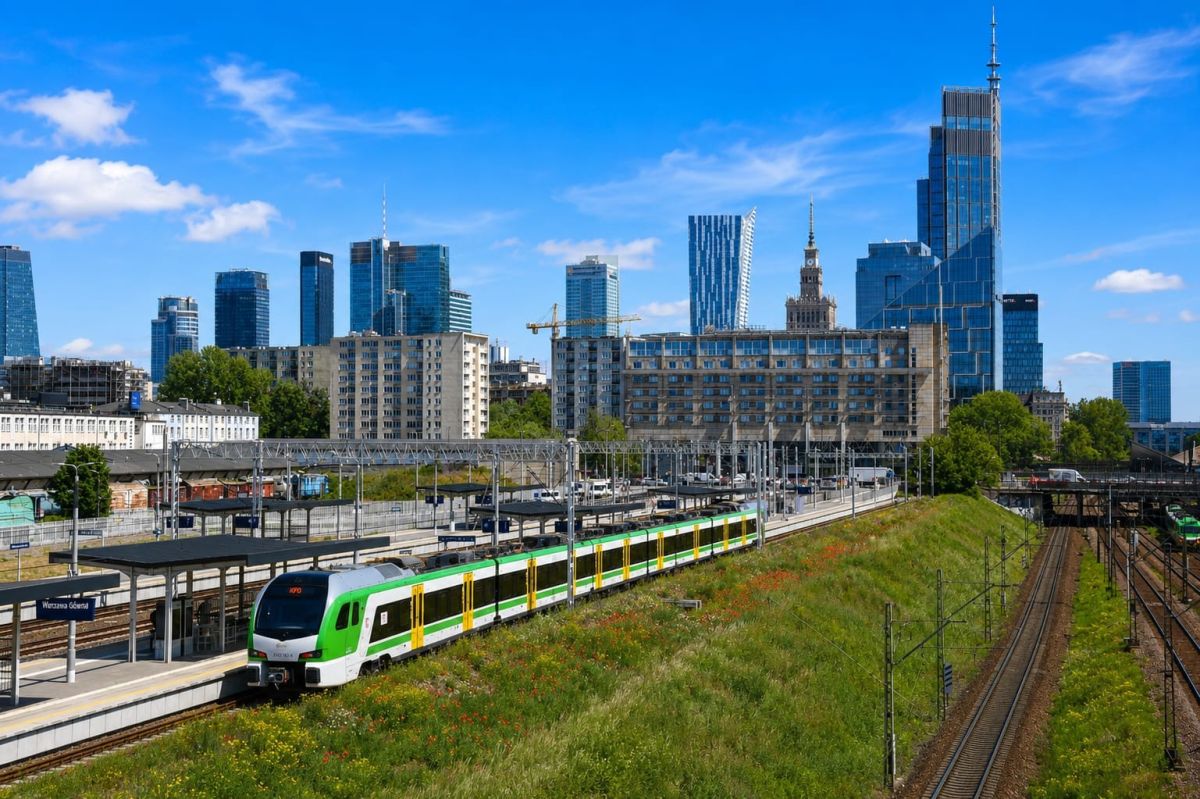
The Central Communication Port (CPK), in collaboration with PKP Polskie Linie Kolejowe and the Institute for the Development of Cities and Regions, has initiated work on the Integrated Railway Network (Zintegrowaną Siecią Kolejową, ZSK).
During a meeting held at the Ministry of Infrastructure, representatives of voivodeship marshal offices were introduced to the ZSK framework and the consultation process. The project incorporates a polycentric approach, intending to distribute urban connectivity more evenly across Poland. This method, informed by data on national passenger flows, is expected to align railway network development with the needs of both urban centers and regional areas.
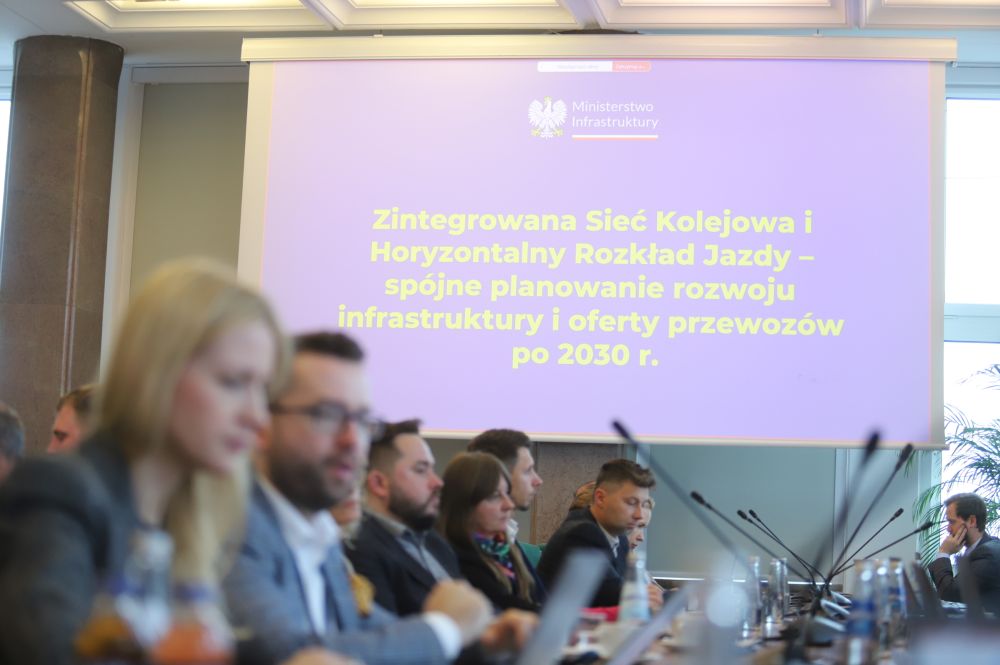
The planning includes coordination with local and regional transport systems, emphasizing connections between long-distance rail and regional bus and rail networks. Stakeholders highlighted the potential of such an approach to improve public transport accessibility and address issues of transport exclusion.
The project aligns with ongoing infrastructure initiatives such as the CPK airport and Poland’s first high-speed rail line. The high-speed rail "Y" network is designed to connect major cities including Warsaw, Łódź, Wrocław, and Poznań, with input from multiple regions and transport organizers.
Further development of the Integrated Railway Network will involve consultations through Regional Expert Panels scheduled to start in early 2025. These sessions will focus on integrating local perspectives on transport needs and spatial development priorities. Key aspects under consideration include the analysis of existing economic links, regional development goals, and infrastructure investment priorities up to 2035.
The analytical work for the ZSK will continue until the first quarter of 2026, using advanced tools such as passenger and freight transport models and scheduling systems.