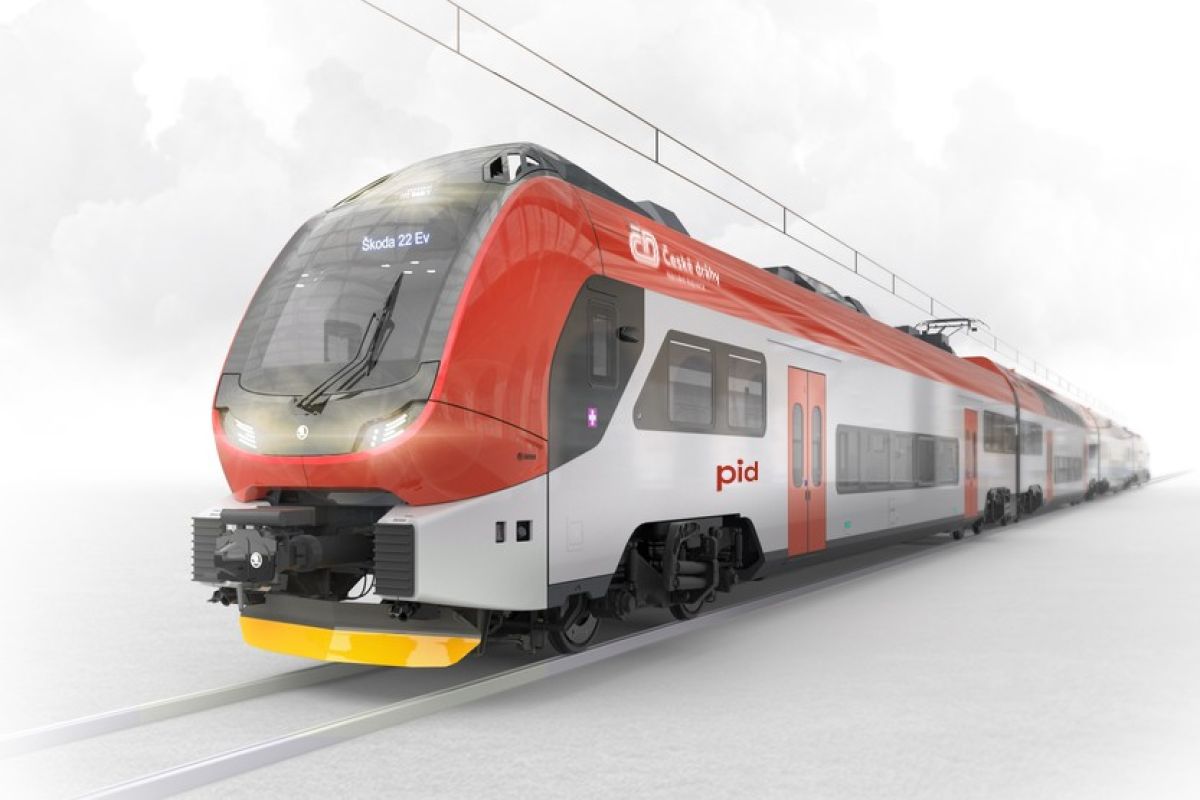
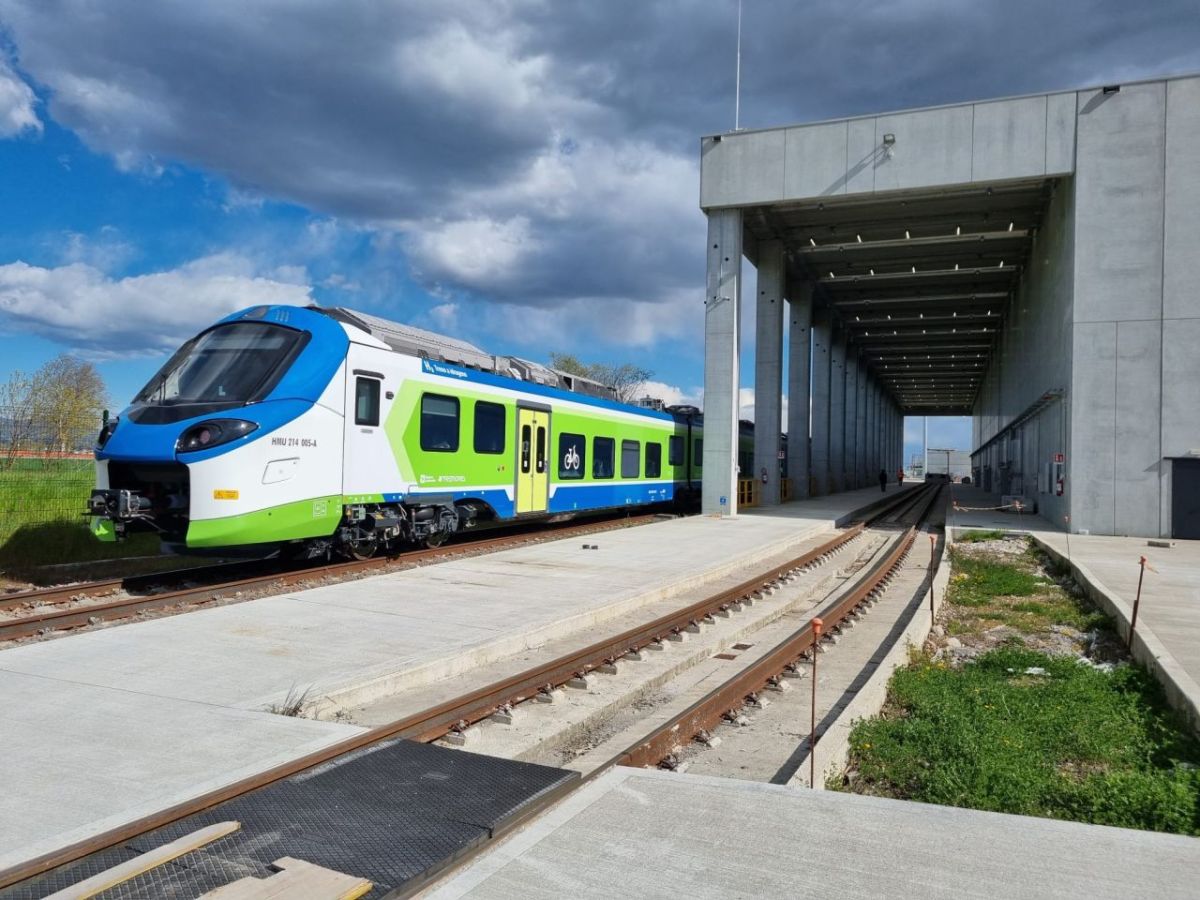
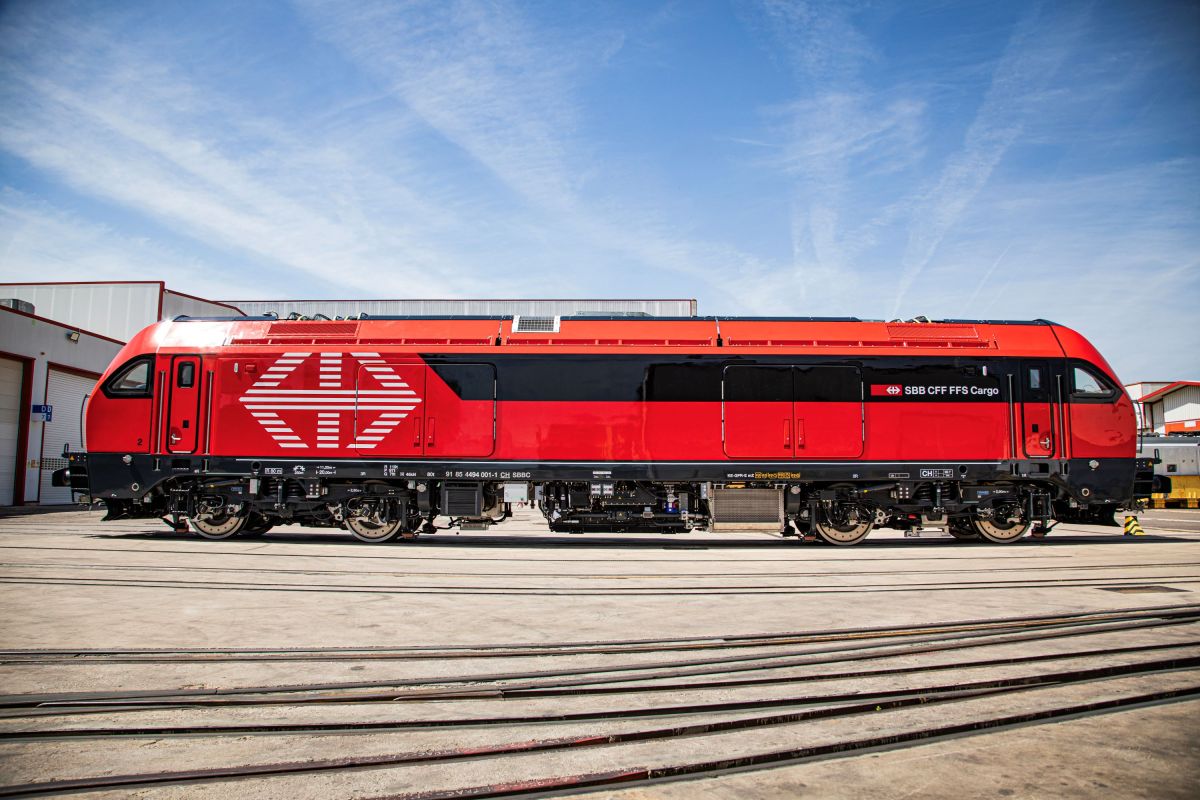
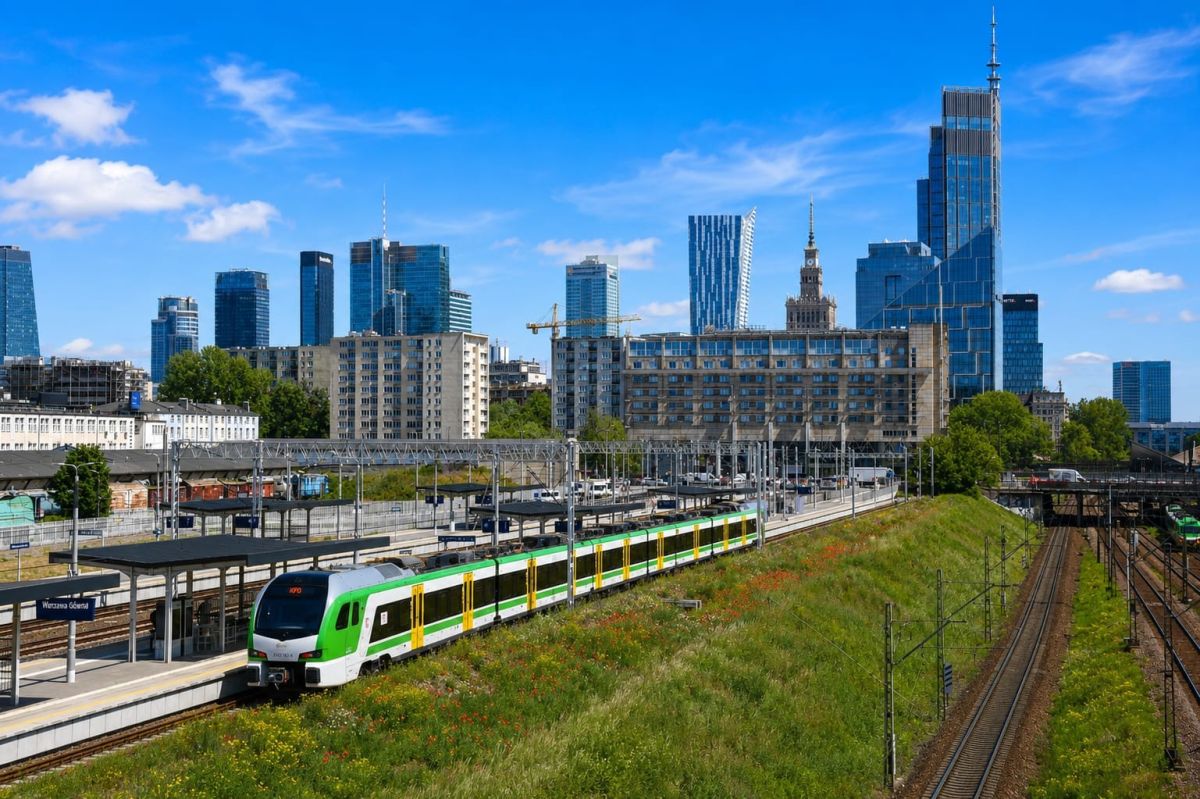
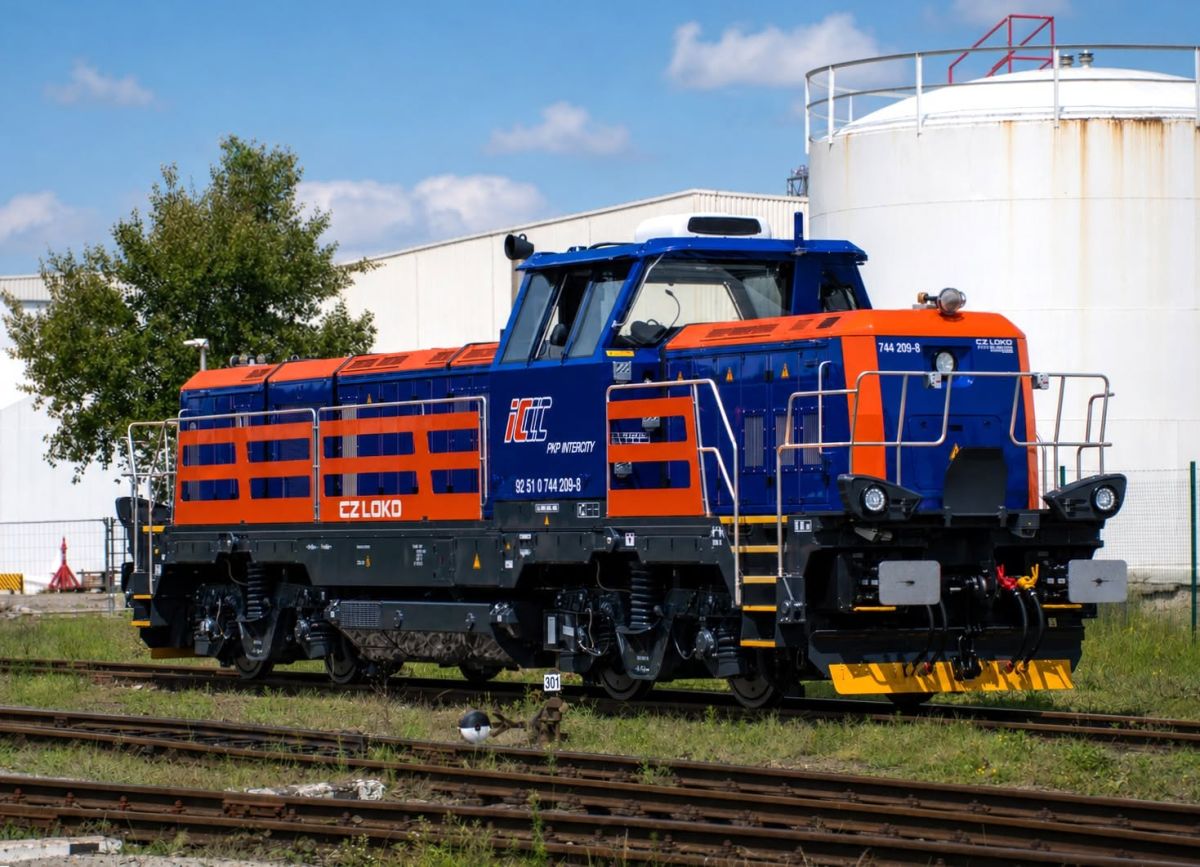
České dráhy (Czech Railways) has contracted Škoda Group to supply 15 dual electric-battery trains. These new units, intended for the Moravian-Silesian Region, will be the first of their kind in the Czech railway system. Škoda Group emerged as the selected manufacturer through an open tender process.
These trains will provide cleaner and more flexible transport solutions in the region. Capable of operating on both electrified and non-electrified tracks, the new dual units can draw power from overhead lines or rely on onboard traction batteries. This capability is expected to reduce carbon emissions on routes without electrification and provide more direct connections for passengers.
Features and Capabilities
The new trains are designed to cater to modern passenger needs with several advanced features. Each train will be a low-floor, two-car unit with a seating capacity for 150 passengers, including provisions for first-class seating. They will offer step-free access, making them accessible for passengers with disabilities. Additional facilities include spaces for wheelchairs, strollers, and bicycles, ensuring broad usability for various passenger groups.
The trains are prepared for operation under both 3 kV DC and 25 kV 50 Hz AC systems, aligning with anticipated electrification projects across the region.
Environmental and Operational Impact
The introduction of these battery-electric multiple units (BEMU) aligns with the Moravian-Silesian Region’s long-term commitment to clean mobility. The trains' ability to operate on battery power will allow for direct services on routes that combine electrified and non-electrified segments, reducing the need for transfers. This feature is particularly beneficial for lines extending from Ostrava to towns like Krnov, Nový Jičín, and Budišov nad Budišovkou, where electrification is not present.
Charging of the traction batteries can be achieved during operation on electrified tracks or through regenerative braking on non-electrified sections, enhancing operational efficiency and sustainability. The anticipated routes for these trains include:
- Ostrava – Opava – Krnov
- Ostrava – Suchdol nad Odrou – Nový Jičín (primarily on weekdays)
- Ostrava – Budišov nad Budišovkou (during weekends)
- Ostrava – Český Těšín – Frýdek-Místek and a loop service after the reconstruction of line 323
The contract covers the delivery of the 15 new two-car trains, each with a capacity of 323 passengers, spare parts, and maintenance services for up to 15 years. Around a quarter of this amount is allocated for maintenance and the supply of spare parts. Škoda Group is expected to deliver at least half of the units within 29 months of the contract signing, ensuring that at least seven trains will be operational by November 2026. This timeline supports the current agreement with the Moravian-Silesian Region, which includes provisions for potential extensions if needed.
These units can run up to 160 km/h under catenary line and 120 km/h on battery mode with minimum battery range of 80 km.