The changing geography of Eurasian freight is increasing the role of Türkiye in rail logistics between Europe, Ukraine and Central Asia.
According to Laude Smart Intermodal, the war in Ukraine has reduced the role of the Northern Corridor through Russia and strengthened interest in alternative routes, including the Middle Corridor linked to China’s Belt and Road Initiative.
“Our trains already reach Türkiye through the Black Sea corridor, and this route will steadily gain importance,” said Marcin Witczak, CEO of Laude Smart Intermodal.
He added that disruptions around the Suez Canal and the Persian Gulf show the need for more stable supply chains. In this context, Laude sees growing potential in countries such as Kazakhstan, Uzbekistan and Azerbaijan, which can supply resources and products needed by European markets.
Kazakhstan is a key part of the Trans-Caspian International Transport Route, also known as the Middle Corridor. The corridor currently has capacity of around 6 million tonnes per year, with plans to increase this to 10 million tonnes by 2030.
Laude is also monitoring the planned Development Road, a rail and road corridor from Iraq’s Grand Faw Port through Türkiye. The project could initially handle 20–25 million tonnes of cargo per year and reduce dependence on maritime chokepoints such as the Strait of Hormuz.
“We are also closely monitoring the recently announced plans for the so-called Development Road – a rail and road corridor that could play a crucial role in bringing Europe closer to the Middle East and reducing dependence on strategic chokepoints such as the Strait of Hormuz,” Witczak said.
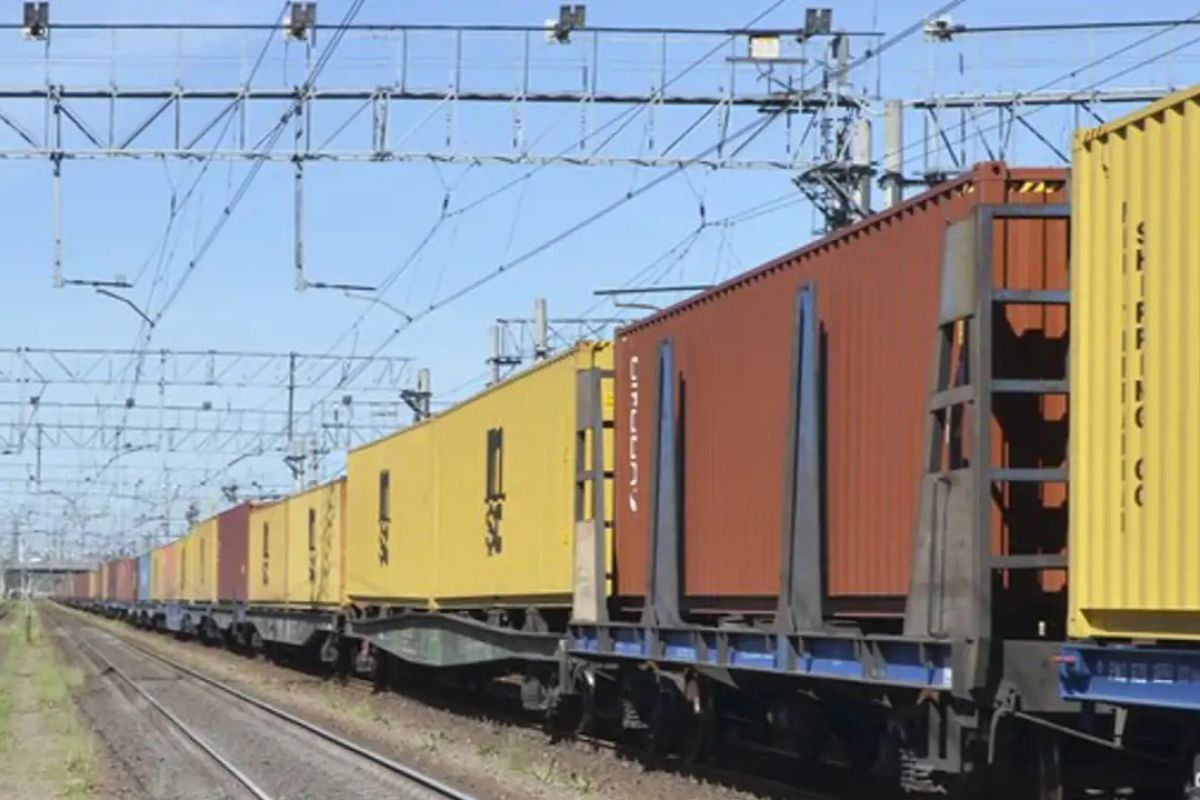
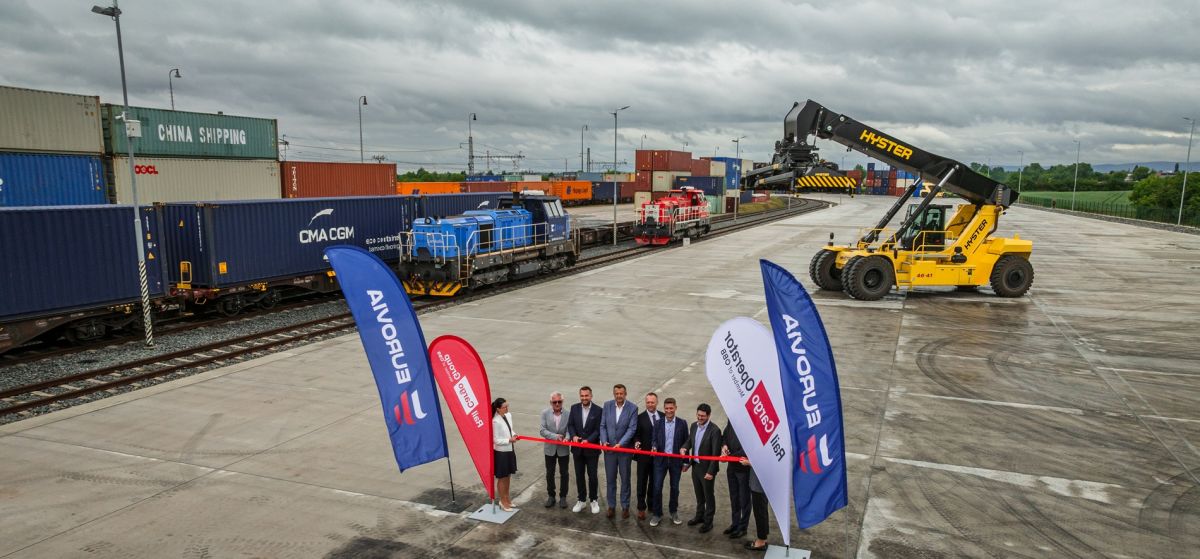
Laude already operates container services through the Baltic Hub in Gdańsk, via Izmail to the Romanian port of Constanța, and through Black Sea links involving Odesa, Chornomorsk and Türkiye. The company is also developing connections from Duisburg to southern and central Poland, with further plans for an intermodal link between Warsaw, Silesia and northern Italy.