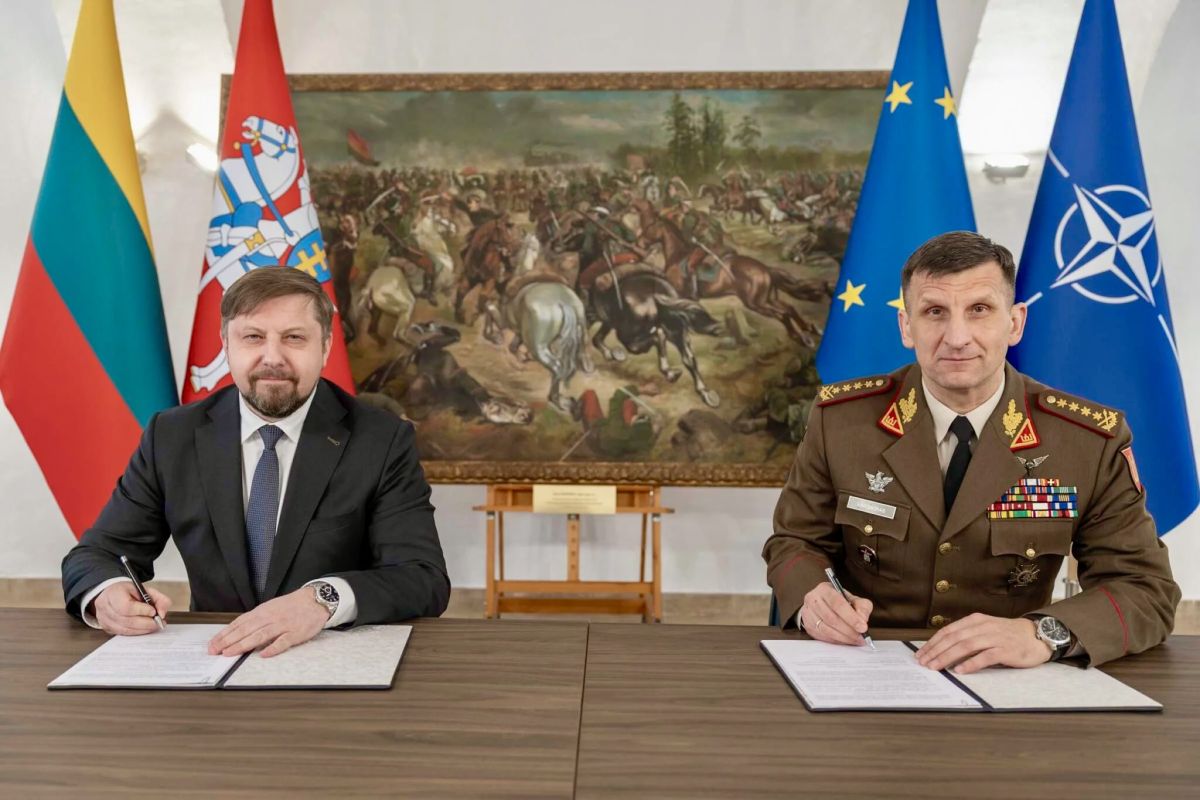
The Lithuanian Armed Forces and LTG Group have formalised closer cooperation aimed at strengthening Lithuania’s preparedness for potential crises and security threats. The agreement focuses on improving military mobility, logistics capabilities and interoperability with allied forces, including NATO partners.
According to the Commander of the Lithuanian Armed Forces, General Raimundas Vaikšnoras, the agreement marks a new phase in cooperation, enabling more effective use of LTG’s railway infrastructure and technical capacities for host nation support and allied reception tasks. Planned measures include updated security plans, joint exercises and training, enhanced information exchange and closer coordination in defence-related areas.
“With this agreement, we are consolidating the integration of infrastructure, logistics, technical expertise and operational readiness,” said LTG Group CEO Egidijus Lazauskas. “Our goal is to ensure that Lithuania’s transport system is reliable, fast and ready to work with partners, including NATO, when it is most needed.”
Deputy Minister of Transport and Communications Roderikas Žiobakas added that stronger cooperation between LTG and the Armed Forces will help ensure “fast, safe and smooth military mobility,” describing the agreement as a significant step in reinforcing national resilience.
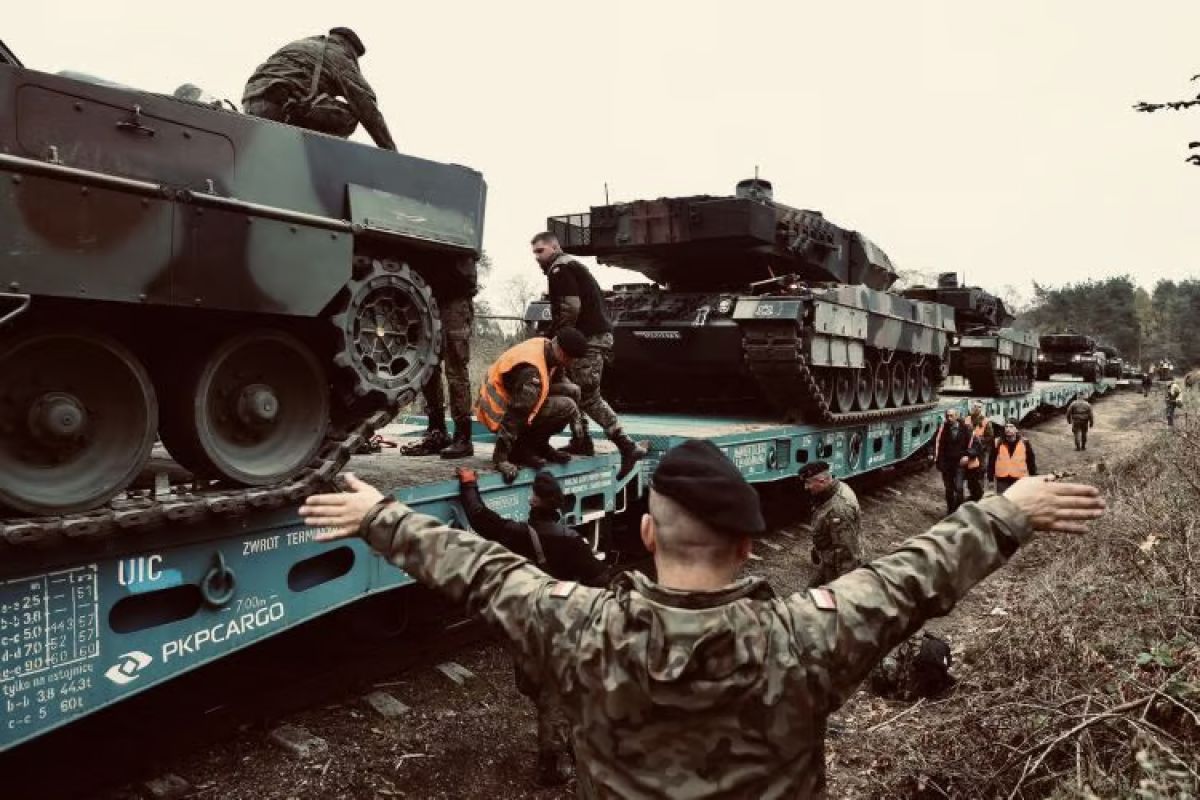
Rail has already played a tangible role in Lithuania’s defence logistics. LTG Cargo regularly transports NATO allies’ equipment and troops to Lithuania and onward to Latvia and Estonia. Last year alone, 180 military trains were operated. Lithuanian military units were also transported by rail during tactical exercises for the first time, followed by dedicated training sessions on loading procedures and cargo securing.
Beyond transport, LTG Cargo supports defence through repair capabilities in its depots, while LTG Infra is advancing infrastructure upgrades linked to military mobility. In Palemonas, a dedicated project will expand loading and storage capacities at the intermodal terminal, particularly for transshipment between the European 1,435 mm gauge and the 1,520 mm broad gauge used in the Baltic region. This is expected to facilitate more efficient deployment and servicing of the German brigade stationed in Lithuania.
In parallel, a new 1,520 mm gauge rail connection is planned to the Rūdninkai military training ground, including access tracks, loading ramps for heavy equipment, storage areas and dedicated infrastructure for troop movements. Together, these projects position rail as a central pillar of Lithuania’s defence logistics architecture and its integration into the wider European security framework.