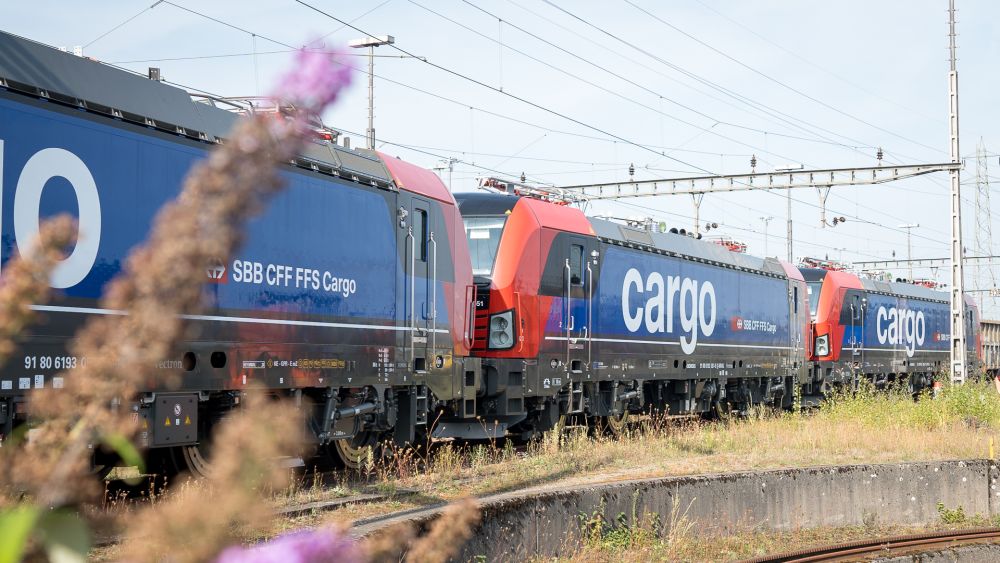
Swiss incumbent freight rail operator is joining the long list of companies battling for their profitable existence. After France, Germany, Poland and Czechia, SBB Cargo is looking for ways to make freight rail profitable at the times when freight rail is losing its share on the market, opposite to the EU target. SBB has initiated a broad restructuring of its freight transport division as it works to reduce losses and reorganize operations.
Annual losses and pressure to achieve cost coverage
SBB Cargo Switzerland has been operating with an annual deficit of CHF 80 million, equivalent to approximately EUR 83 million. The freight division is expected to be financially self-sustaining, as it is not classified as a public service under Swiss transport law. According to the company, this structural loss is driven by outdated rolling stock, inefficient operating models, and falling volumes.
Combined transport currently generates CHF 18 million in revenue (approx. EUR 18.7 million) but incurs losses of CHF 12 million (EUR 12.5 million). Single wagonload operations contribute the majority of the losses, nearly CHF 80 million (EUR 83 million) annually.
Reduction of combined transport terminals and launch of shuttle service
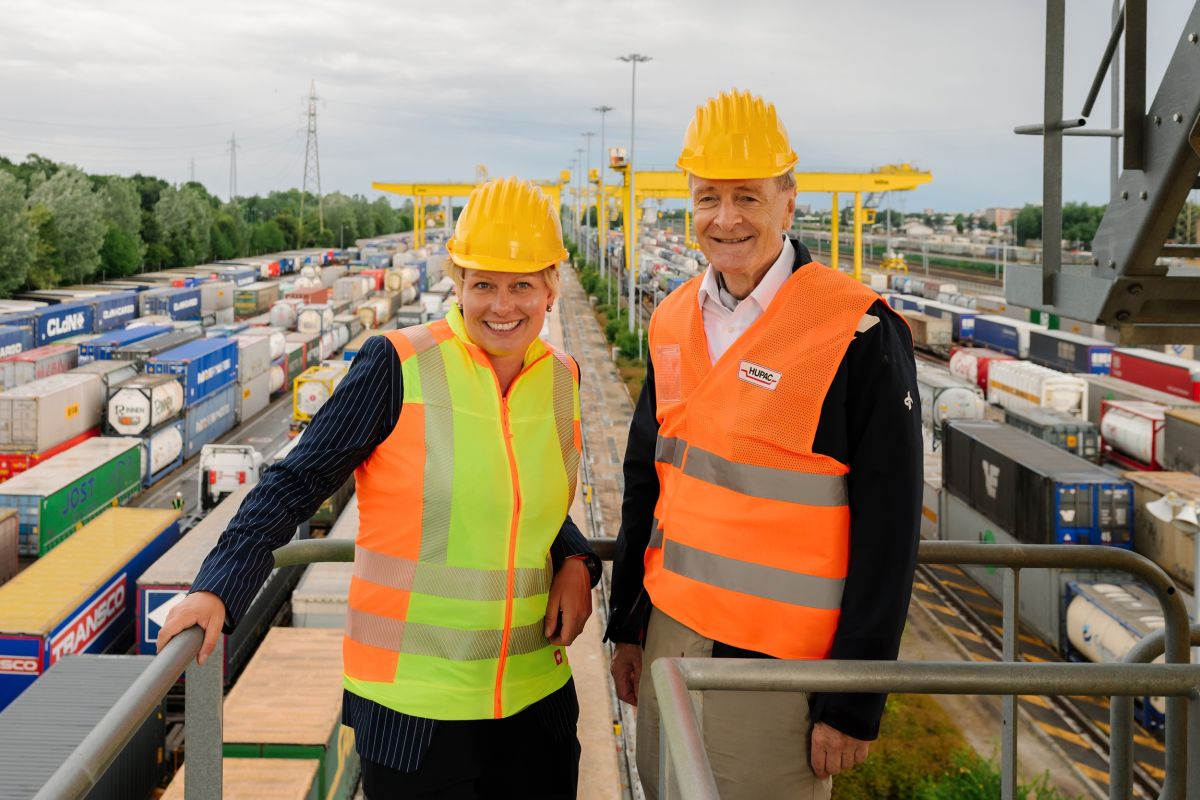
To contain costs, SBB will cease operations at eight combined transport (CT) terminals by the end of 2025. The company plans to introduce a simplified shuttle model focused on the high-demand north-south corridor. A new connection between Dietikon and Stabio will be launched with two round trips per day — one daytime and one nighttime service — starting in 2026.
While CT currently accounts for only around 6% of SBB Cargo’s transport volume, it remains a visible part of the company’s operations. The restructuring could lead to an estimated 70 additional trucks per day on Swiss roads, or approximately 20,000 annually, if the shift to rail does not compensate for the reduced CT coverage.
SBB is also evaluating the transfer of certain terminals to third-party operators. Facilities like Cadenazzo may remain accessible for freight traffic, especially if demand from customers such as postal operators persists.
Partner trains with DB Cargo will end
By the end of 2025, SBB will stop operating unprofitable transit services for DB Cargo. These so-called “partner trains” are currently handled by SBB Cargo across Switzerland from the German to the Italian border. DB Cargo is expected to take over operations beyond Chiasso. Other collaborations with DB Cargo for import/export movements remain unaffected.
Single wagonload reform pending
The single wagonload system, which handles mixed freight for various clients across the country, will undergo a major overhaul. SBB is working with key customers on a new, cost-optimized production model. No specific decisions regarding staffing implications have been disclosed.
End of rolling highway service
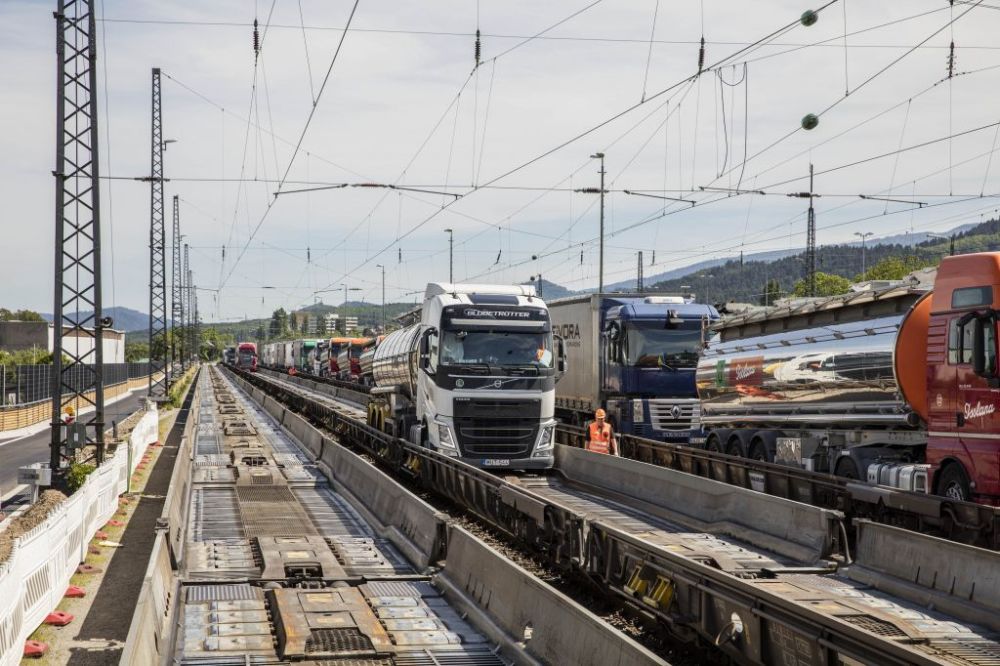
RAlpin AG — a joint venture of SBB, BLS, and Hupac — will end the Rolling Highway (RoLa) service by December 2025, earlier than the previously planned date in 2028. The RoLa carried 80,000 trucks in 2023, representing 7% of all combined transit traffic in Switzerland. Infrastructure limitations and increased costs contributed to the early discontinuation. SBB intends to retain at least 50% of RoLa customers through other unaccompanied combined transport services.
Impact on workforce and Ticino region
As part of the restructuring, 65 jobs across Switzerland will be eliminated by the end of 2025. This includes around 40 positions in Ticino. According to SBB, no layoffs are planned in the region, and internal solutions are being sought to redeploy affected employees, particularly to train driver and infrastructure positions.
SBB continues to employ around 2,200 people in Ticino. Over the past five years, the company has added 260 new jobs in the canton and is constructing a new site in Arbedo-Castione that will create over 360 positions, including 80 apprenticeships.
Long-term concept: “Suisse Cargo Logistics”
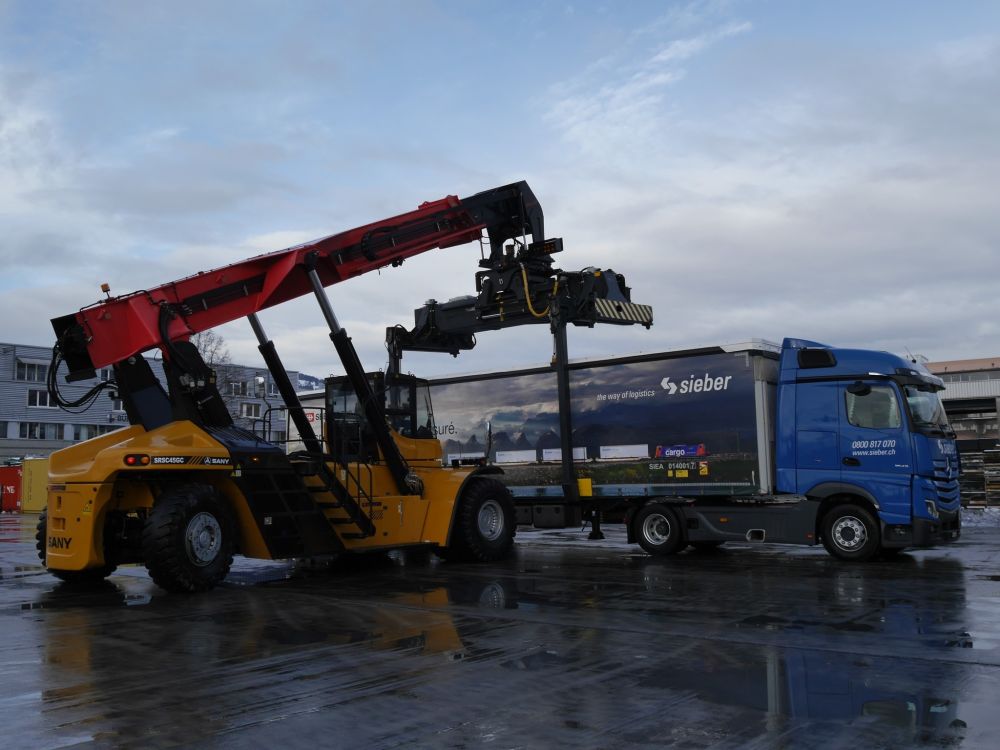
The transformation is aligned with the “Suisse Cargo Logistics” framework presented in 2022. It focuses on transferring heavy freight to rail over long distances while maintaining close integration with road logistics. Future infrastructure under this model requires longer tracks (400 m) and fully automated crane systems. SBB is in discussions with federal and cantonal authorities, as well as potential customers, to secure land and funding.
Combined transport under the new system is planned to grow if the shuttle model proves viable. Expansion across Switzerland is dependent on infrastructure upgrades and automated transshipment capacity.
Freight rail market in Switzerland
Swiss freight rail operates in a liberalized environment. Only the international north-south corridor is subject to a shift mandate. Domestic rail freight is market-driven, and federal subsidies are currently time-limited. Swiss Parliament reaffirmed the cost-coverage requirement by amending the Freight Transport Act earlier this year.
SBB Cargo’s accumulated losses in freight transport have reached CHF 1.3 billion (EUR 1.35 billion) over the past several years. The company aims to restore financial stability through network optimization, reduced service coverage, and realigned operating models.