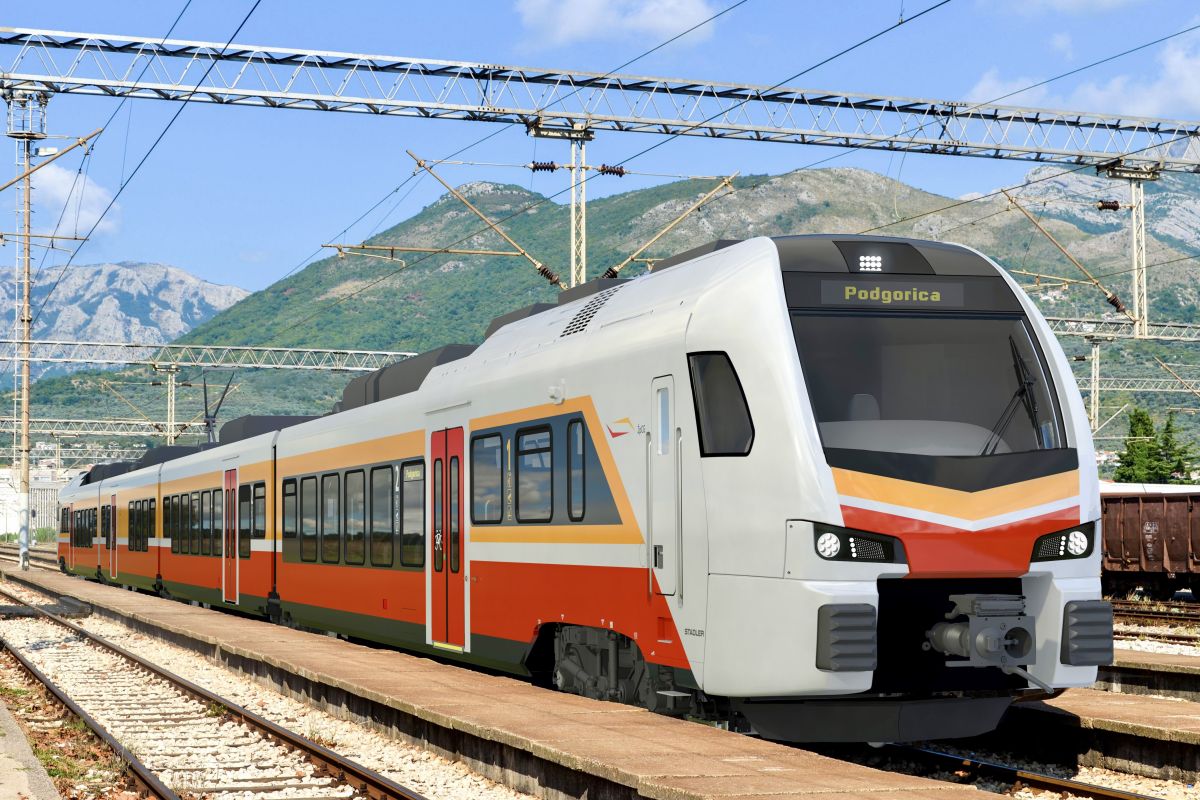
Longer freight trains up to 1,500 meters
DFCCIL has begun operating freight trains with lengths reaching up to 1,500 meters. This represents a near doubling compared to typical freight trains on the conventional network. The new formations are designed to carry more wagons per trip, reducing overall trip frequency for a given cargo volume. The initiative is positioned within DFCCIL’s broader goal of increasing throughput and train productivity on fully electrified broad-gauge corridors.
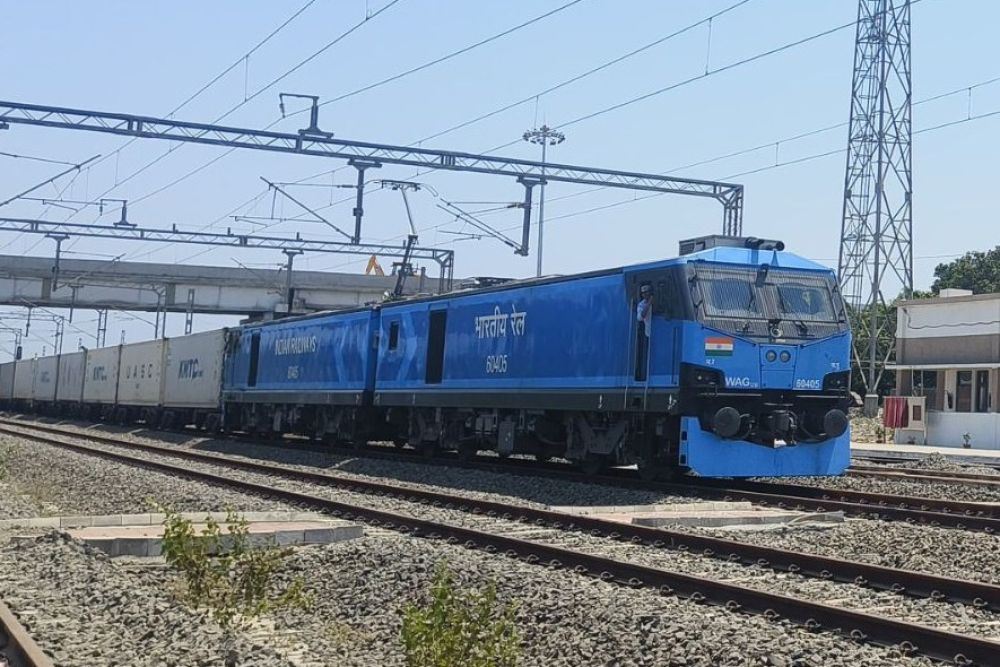
Daily freight train volumes grow by 19.5%
DFCCIL operated 35,692 freight trains during Q1 FY 2025–26, up from 29,856 trains in the same period of the previous year. This equates to an average of 392 trains per day, compared to 328 a year earlier, reflecting a year-on-year increase of 19.5%.
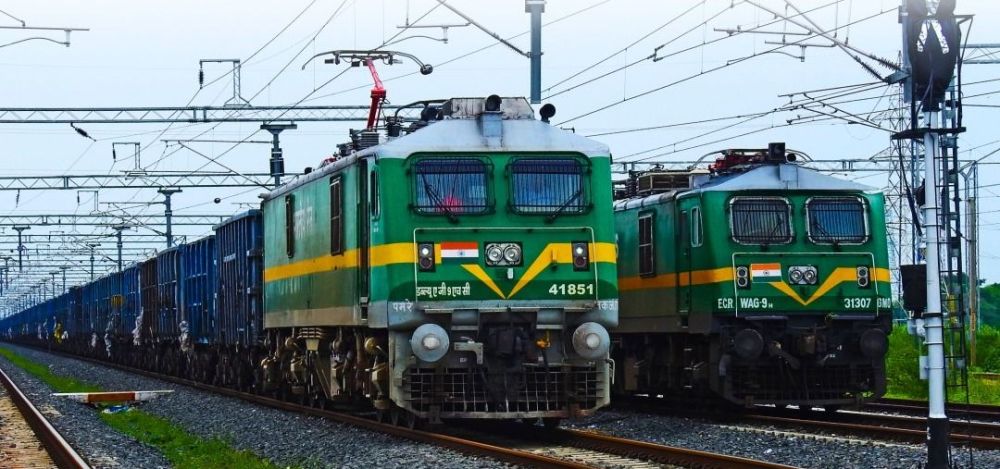
Western corridor freight volumes up by ~25%
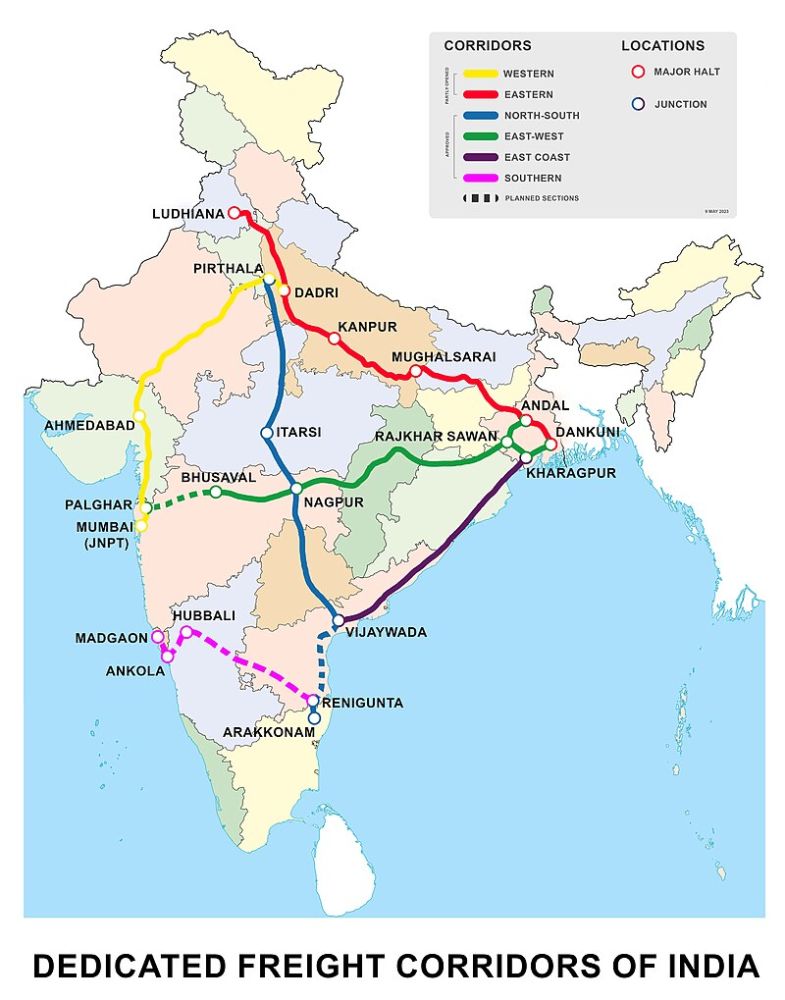
The Western Dedicated Freight Corridor (WDFC) recorded 15.99 billion gross tonne-kilometres (GTKM) during the first quarter of FY 2025–26. This compares to 12.82 billion GTKM in Q1 of FY 2024–25, indicating growth of approximately 25%. The WDFC, partially operational, connects industrial zones in western India with major ports.
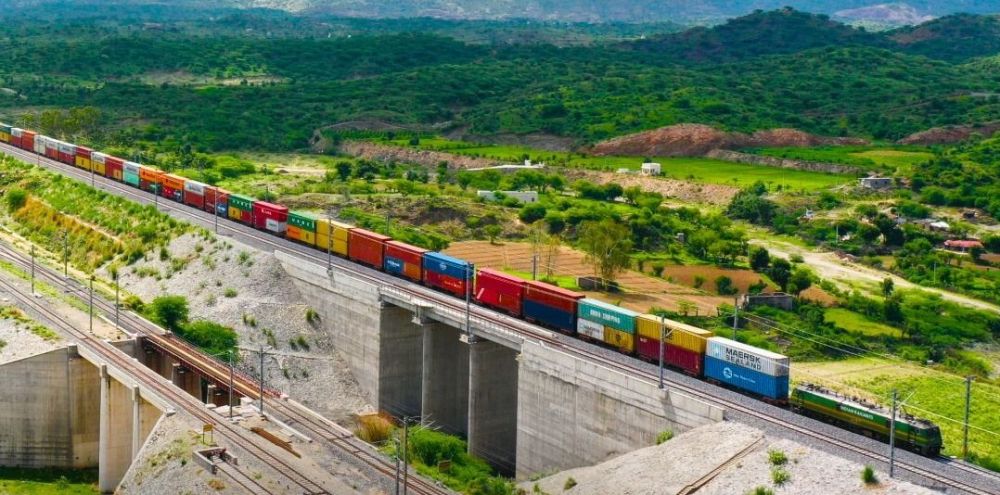
Eastern corridor volumes up by 19%
The Eastern Dedicated Freight Corridor (EDFC) handled 34.51 billion GTKM during Q1 FY 2025–26. The same quarter in the previous financial year registered 29 billion GTKM, reflecting a 19% increase. The EDFC is fully operational and links Ludhiana in Punjab with Dankuni in West Bengal, traversing key industrial and mining regions.
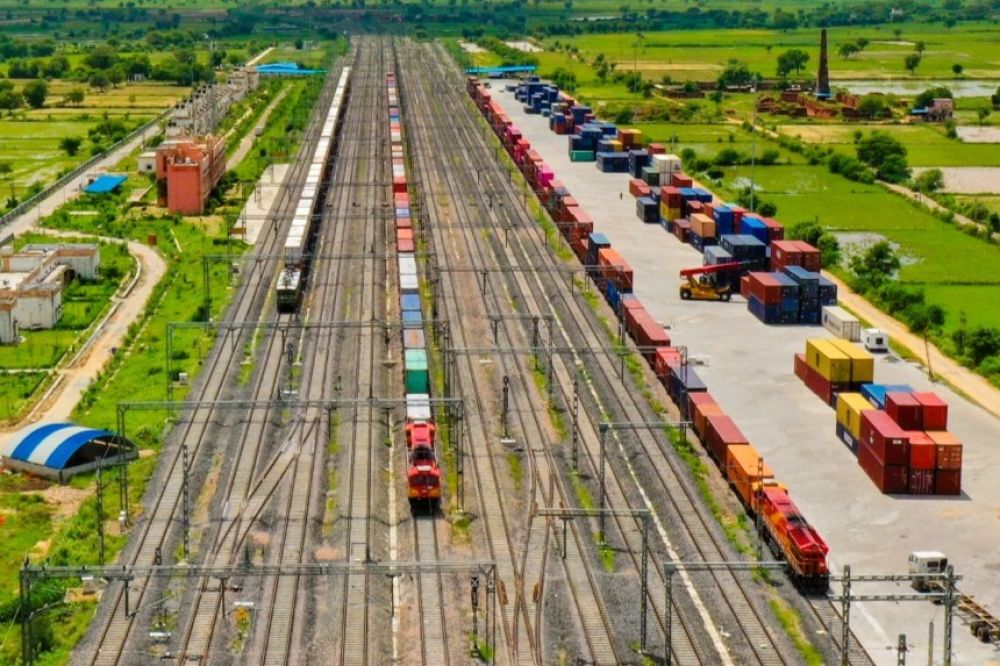
300 daily trains on average
The combined operational share of the DFC network reached 90% by April 2024. The EDFC has been completed and is fully in use, while the WDFC remains at 85% operational status. According to the previously outlined schedule, the network is projected to reach 95% operational coverage by the end of April 2024.
An average of 300 freight trains operate daily across the DFC network, with trials conducted at average speeds of up to 99 km/h in some segments. The corridors are equipped to handle 32.5-ton axle loads and are designed for high-speed, double-stack container operations in designated sections.
India’s Dedicated Freight Corrridors aim to alleviate congestion on traditional trunk routes and increase freight rail capacity across the national network. The corridors are also positioned as a measure toward reducing diesel consumption and associated emissions by shifting freight volumes to electric rail.