The European Commission has approved a €1.7 billion German scheme to support rail freight operators in single and group wagon transport. The initiative aims to ensure that rail remains a competitive and environmentally friendly transport option by providing support to rail freight operators in line with the objectives of the Commission's Sustainable and Smart Mobility Strategy and of the European Green Deal.
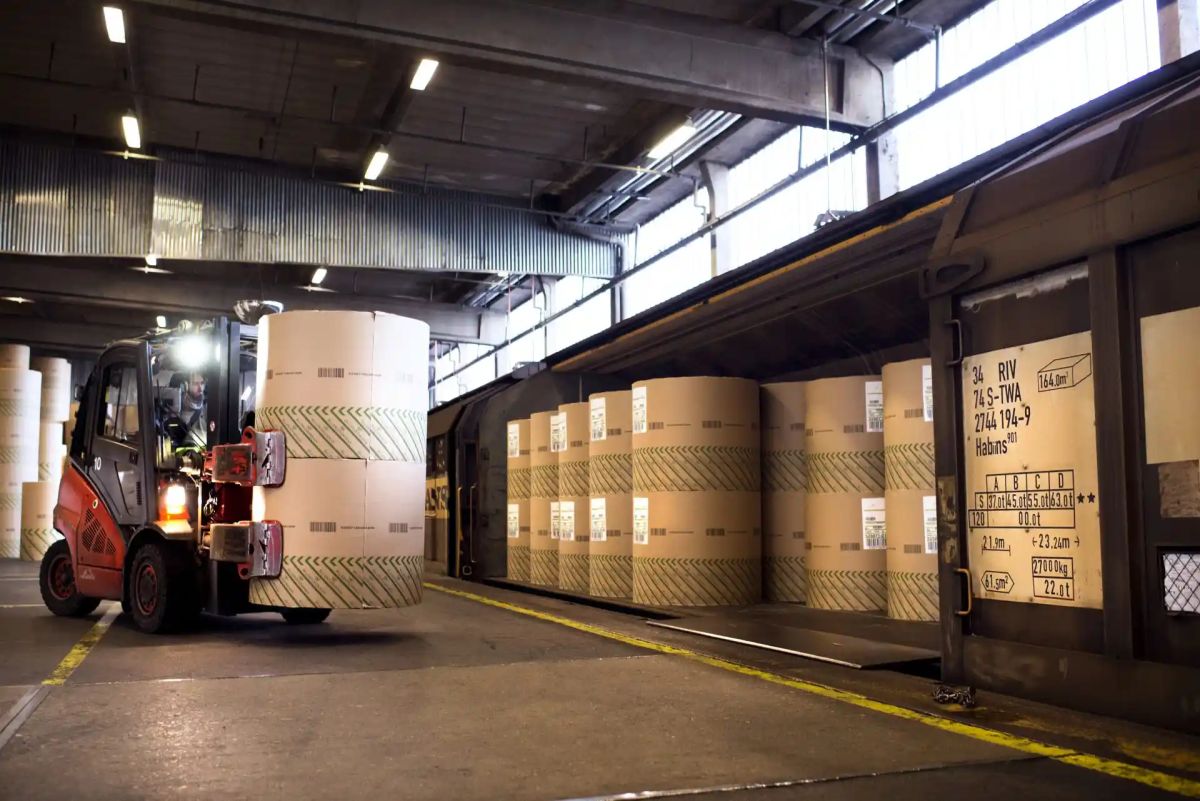
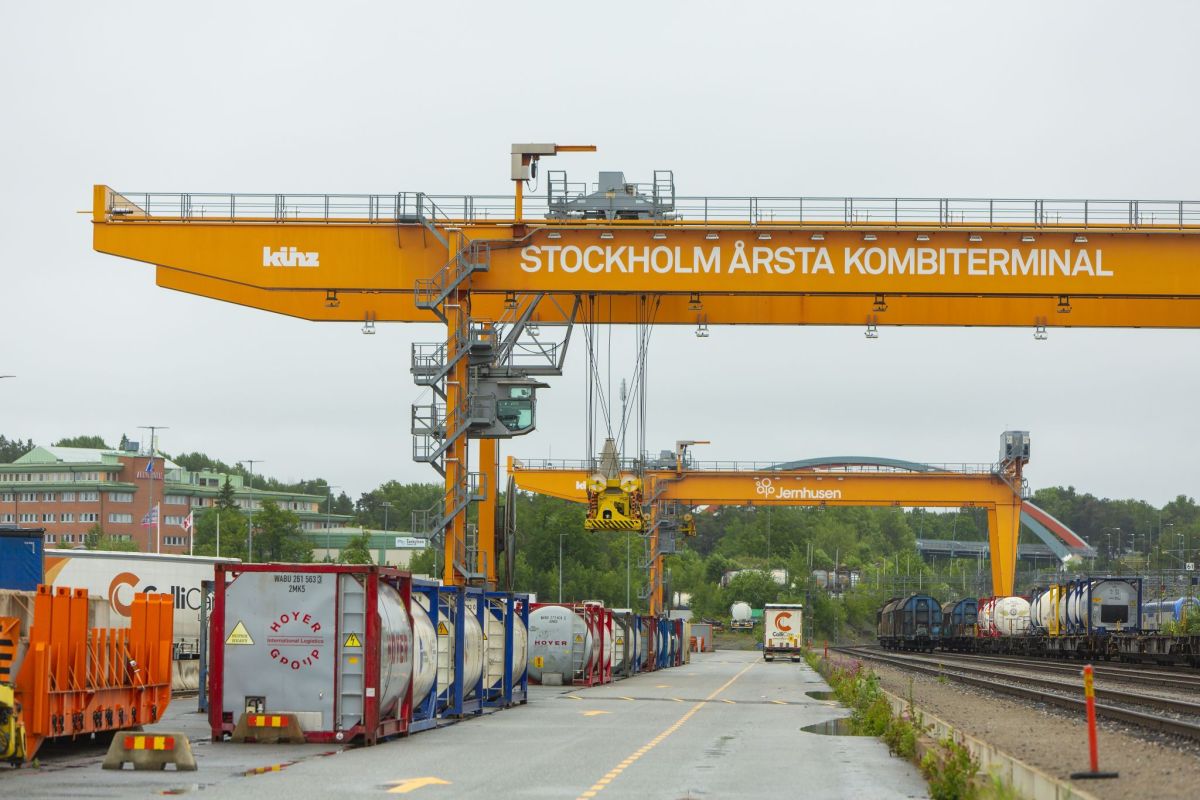
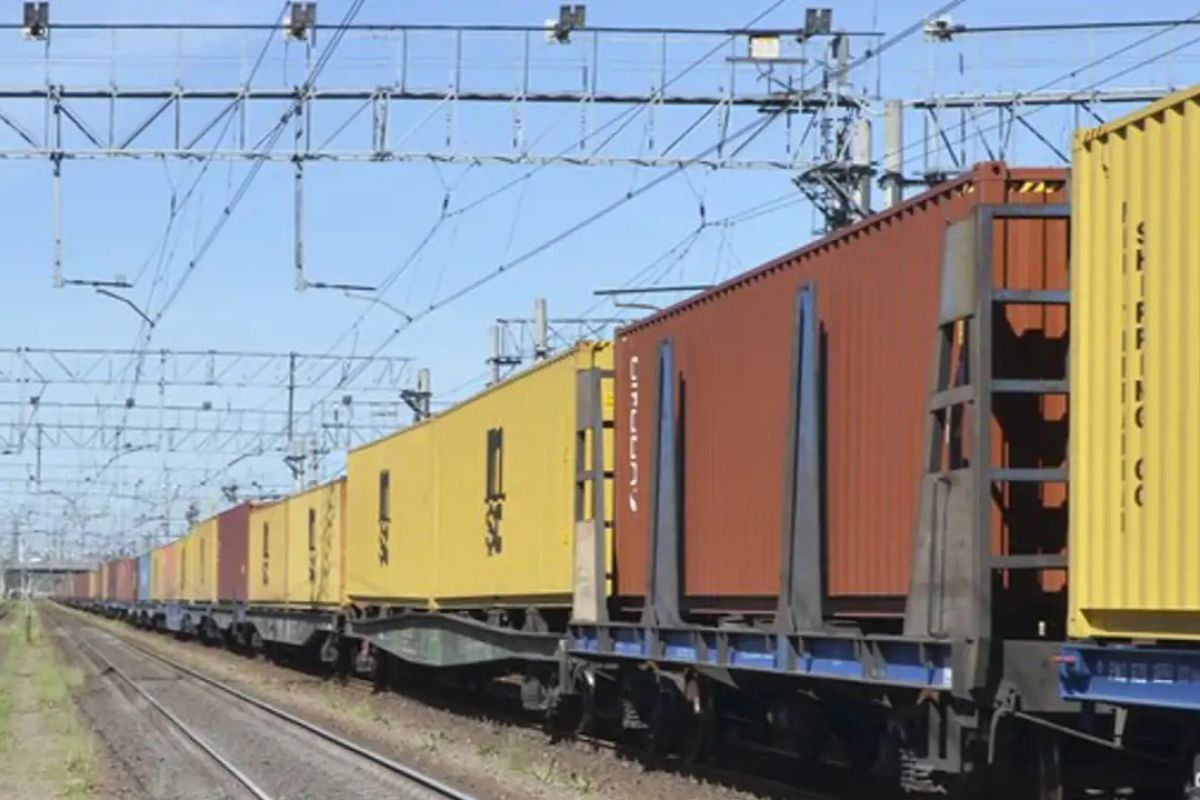
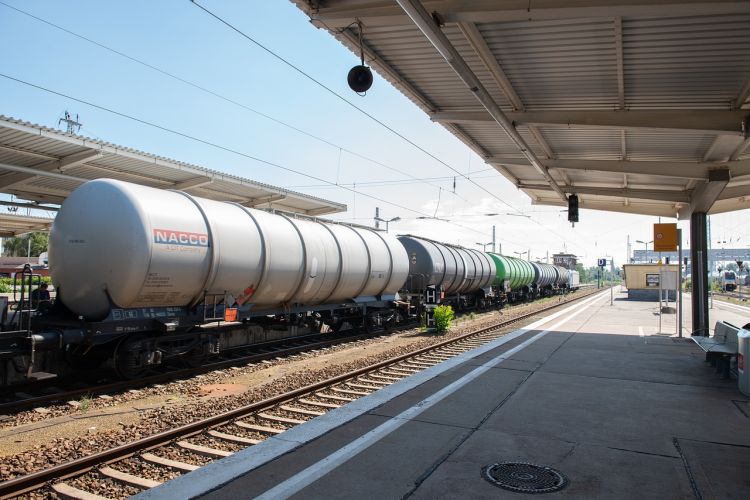
The German scheme addresses the high operating costs faced by rail freight operators, particularly those involved in single and group wagonload transport. Single wagonload services, where individual wagons from different shippers are combined to form trains, and intermodal services, where short block trains of up to 300 km are used, are struggling for profitability. The scheme provides direct grants to operators to cover these costs, with a budget of €320m per year over five years until 2029.
The European Commission's assessment found the aid to be necessary and well-targeted, ensuring that it addresses the specific challenges faced by rail operators without unduly distorting competition. This support is a key component of the EU's Sustainable and Intelligent Mobility Strategy and the European Green Deal, both of which aim to make transport greener and more efficient.
"This €1.7 billion scheme will enable Germany to support important segments of rail freight transport, which is a more environmental-friendly mode of freight transport compared to road. It will help Germany meet its Green Deal objectives, while reducing the burden of rising costs for transport operators, to the benefit of industrial freight customers," said Margrethe Vestager, Executive Vice-President in charge of competition policy.