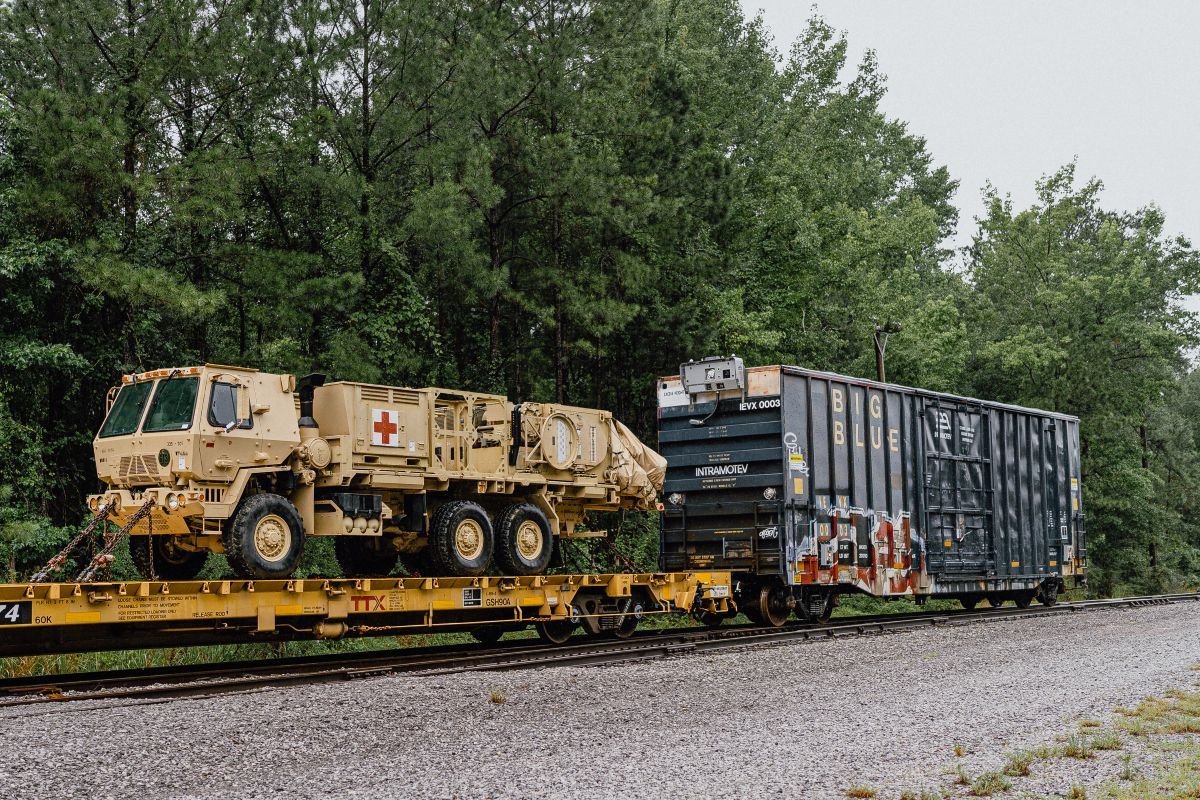
The European Union has identified four multimodal strategic corridors aimed at streamlining military rail transport and logistics across its member states. These corridors, which also include road, sea, and air routes, have been established to allow rapid movement of troops and military equipment, particularly in response to crisis situations or hybrid threats.
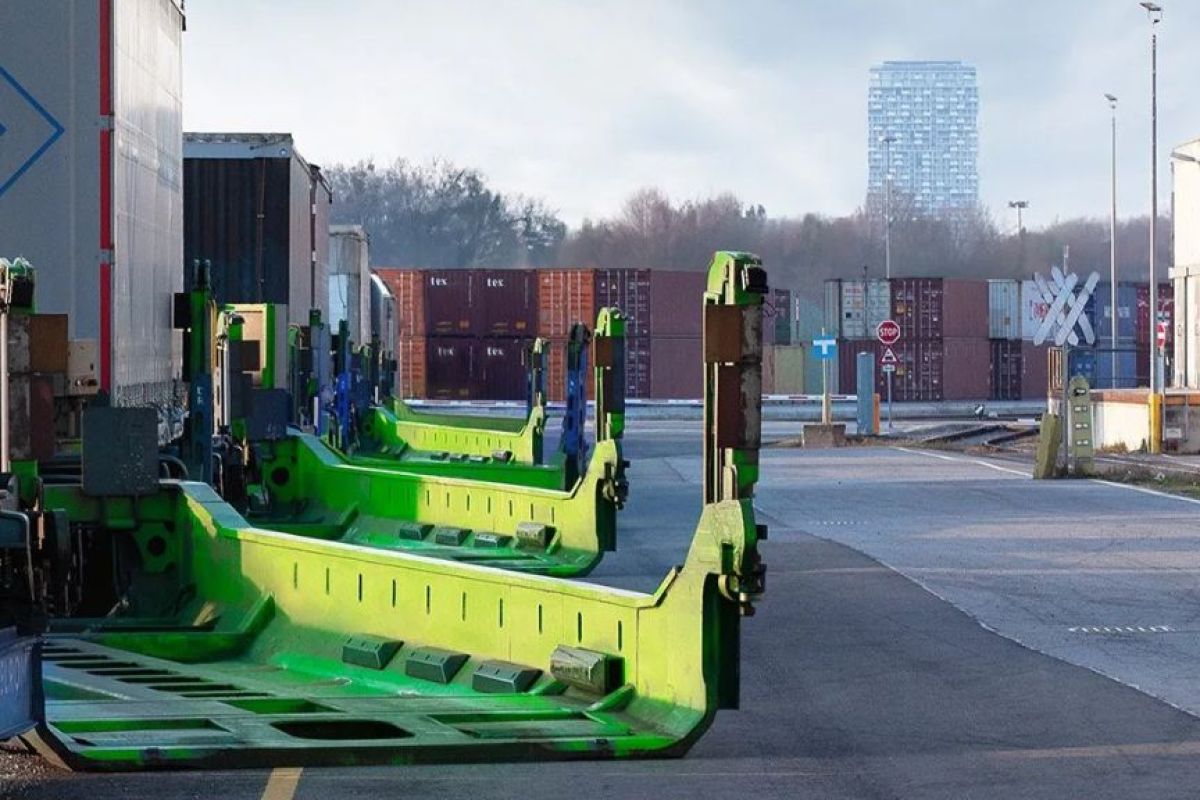
Within these corridors, the EU has specified approximately 500 infrastructure improvement projects requiring urgent attention. Railway-specific enhancements involve widening existing tunnels, reinforcing bridges, and upgrading rail terminals to accommodate increased military freight traffic. Ensuring regular maintenance and security of railway infrastructure along these corridors is also listed as a critical priority.
Currently, military rail transport across EU borders faces operational delays due to inconsistent administrative procedures and varying diplomatic clearance requirements. Customs formalities and non-standardised border-crossing processes have been highlighted as primary causes of inefficiencies. To resolve these issues, the European Commission intends to standardise and simplify procedures, aiming to significantly reduce the time needed to obtain clearances for cross-border military rail movements.
These rail corridors are designed to serve dual-use purposes, supporting both military operations and civilian economic activities. As a result, railway improvements undertaken for military purposes will simultaneously benefit commercial freight operations, enhancing overall network connectivity and reliability. This dual-purpose approach extends to securing energy supply chains and ensuring critical economic transport needs are met without interruption.
To facilitate these improvements, the Commission plans to review current EU transport legislation, including rules related to ownership, access, and operational control of railway infrastructure critical to military mobility. Enhancements to dual-use rail infrastructure will be prioritised, with increased collaboration encouraged between civilian rail operators and the defence sector.
A comprehensive Joint Communication on Military Mobility, prepared by the Commission and the EU’s High Representative for Foreign Affairs and Security Policy, is expected later this year. This document will include specific legislative proposals designed to address identified infrastructure gaps and administrative barriers, setting clear guidelines to streamline railway transport processes for military purposes across the European Union.