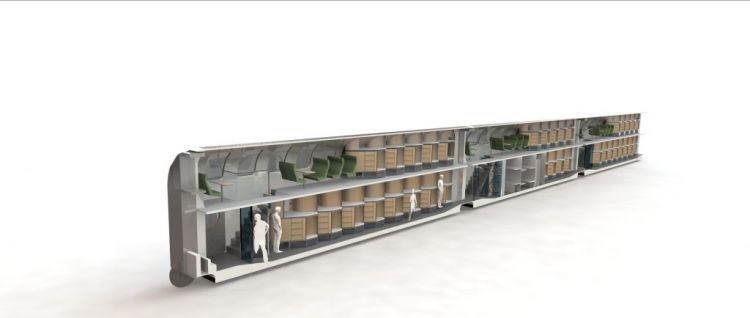
Designed to address key issues in current night train fleets, such as limited comfort and privacy, this concept aims to offer an improved passenger experience while maintaining operational efficiency. Developed by Škoda Group’s Austrian office, the design has been presented as a mock-up and is intended to meet the demands of modern rail transport.
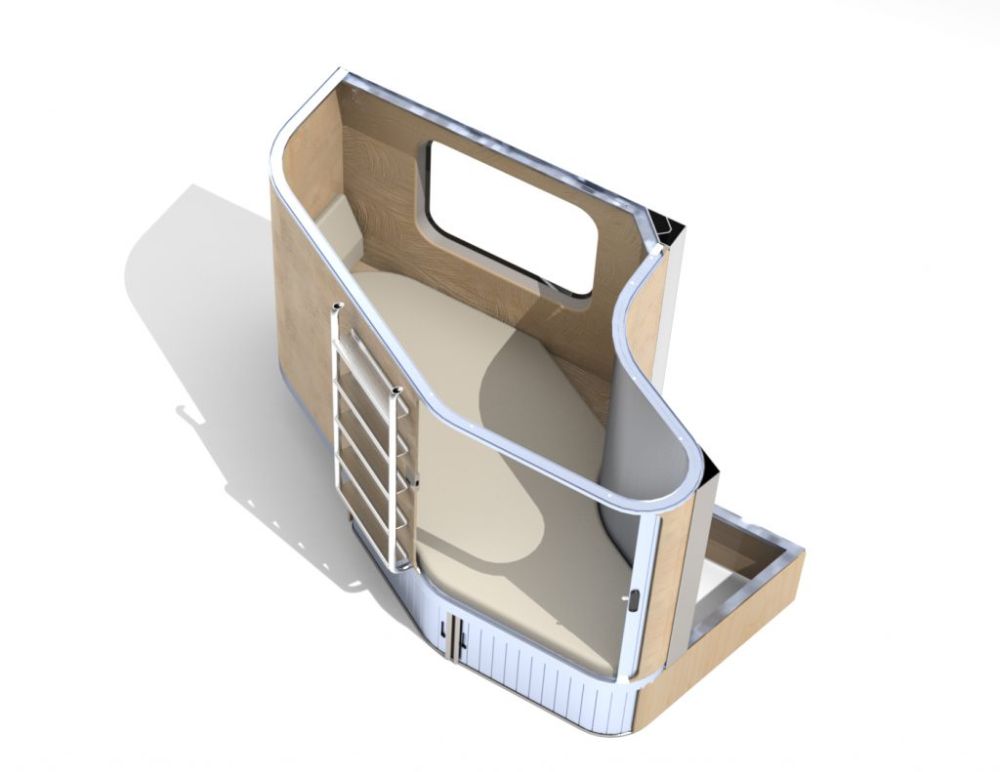
The "Sleep in Motion" concept focuses on maximizing both comfort and capacity by introducing optimized sleeping arrangements. The innovative design includes non-rectangular bunks that allow for more comfortable sleeping positions without reducing passenger numbers. Cabins are arranged in double units, providing two private compartments per unit, each featuring a range of amenities such as spacious mattresses, individual windows, and dedicated storage spaces.
Each cabin includes mattresses up to 200 cm long and 85 cm wide, ensuring sufficient room for passengers. A 90 cm cabin height adds to the overall comfort, while personal storage solutions contribute to enhanced security. Lighting and charging facilities are also integrated, ensuring passengers have access to essential features during their journey.
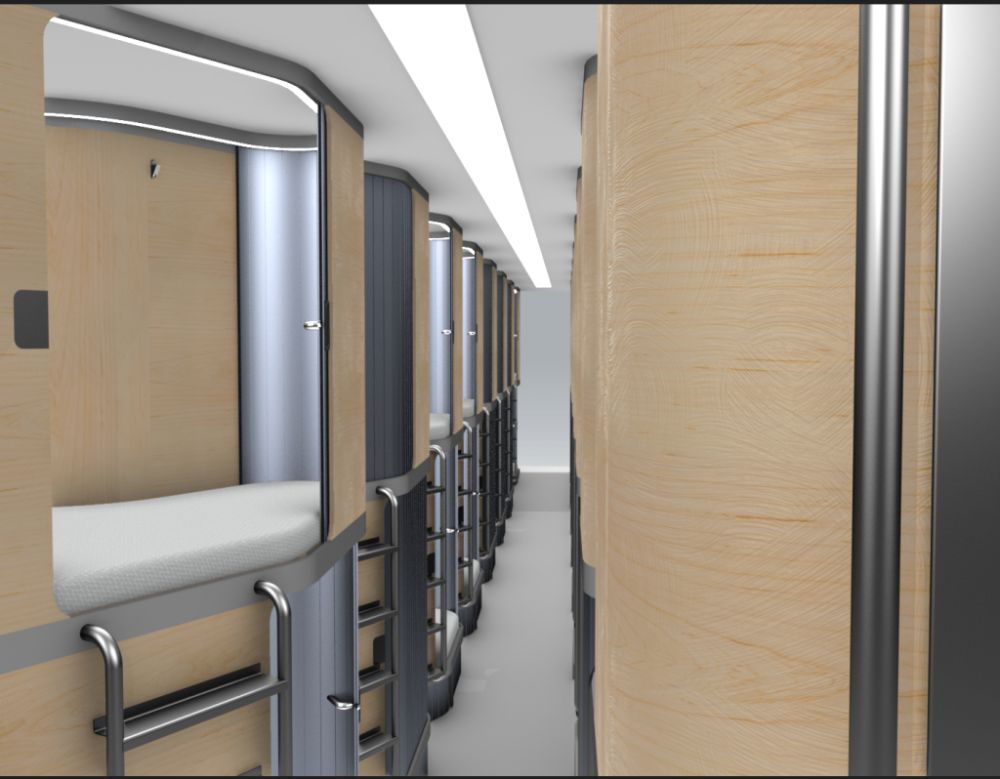
This approach blends the privacy associated with premium travel options with the efficiency required for broader use, addressing both passenger comfort and the operational needs of railway operators. The design introduces alternating gangway widths and dedicated luggage storage, which create a more spacious feel within the carriages while maintaining efficiency in terms of capacity.
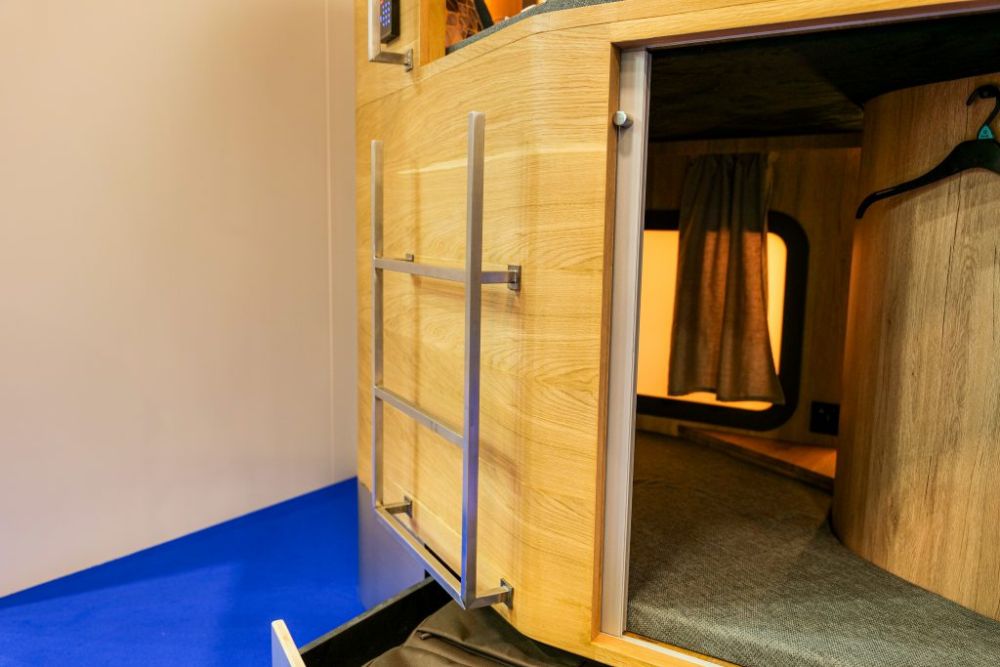
Škoda Group’s concept has been positioned as a forward-thinking solution for the night train sector, with a mock-up currently in place to gather feedback from both passengers and stakeholders. The company is actively engaging in refining this concept based on the feedback it receives, aiming to shape the future of night train travel in line with evolving passenger expectations.
The design is part of Škoda Group's broader efforts to innovate within the rail sector, as demonstrated by the introduction of the "Sleep in Motion" prototype, which reflects a shift towards enhancing the overall night train experience.