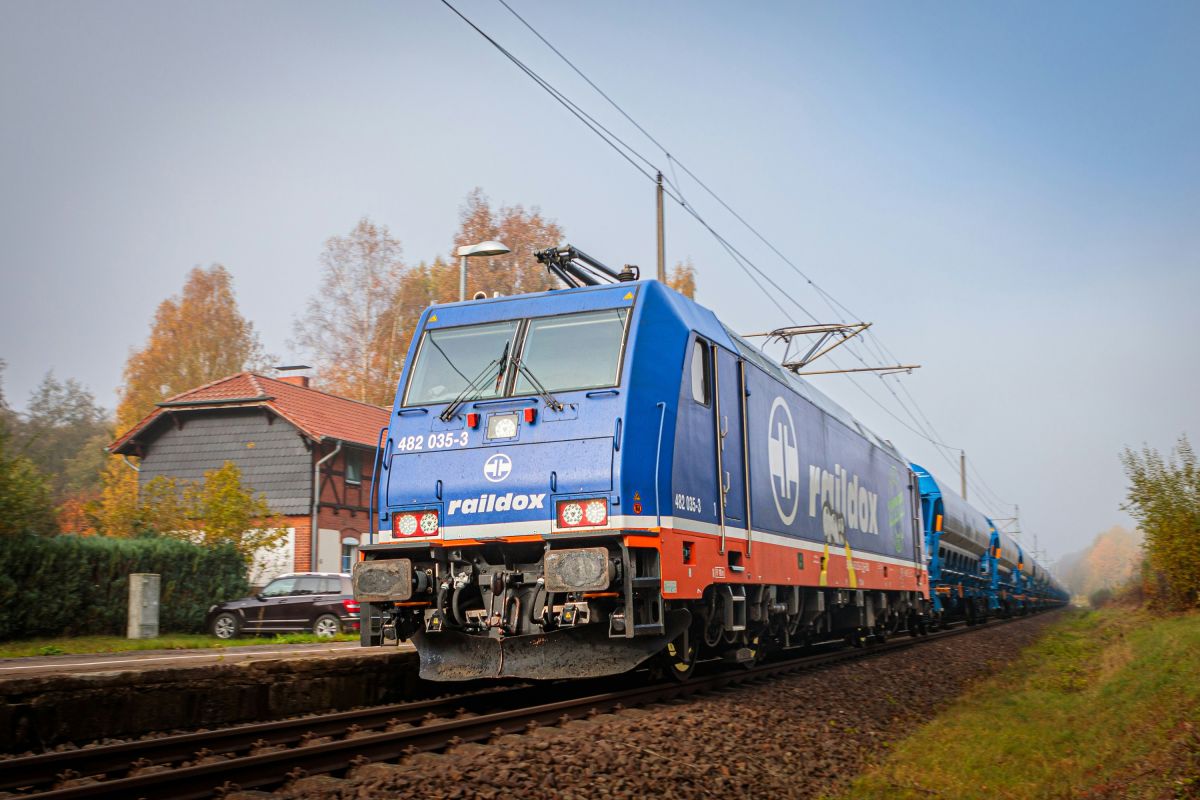
Industry figures show that rail freight volumes fell from around 150 bn tonne-kilometres in 2022 to 134 bn tonne-kilometres in 2024, with volumes continuing to decline.
Operators link the reduction primarily to construction-related disruptions, including full route closures, poorly coordinated works and late changes to construction schedules. According to the Federal Network Agency, railway undertakings in 2024 carried construction-related costs equal to around four percent of their total revenue, almost double the share recorded in 2021 and close to EUR 300 m.
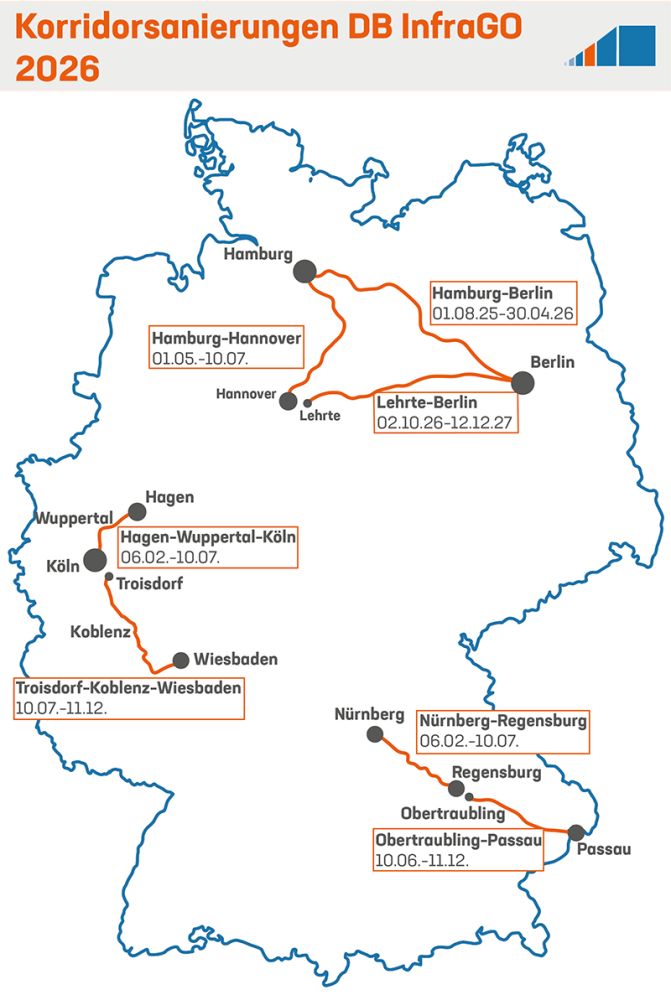
Further large-scale corridor works are planned for 2026. From 6 February, the Hagen–Wuppertal–Cologne and Nuremberg–Regensburg corridors will be fully closed until July. Additional full closures are scheduled in summer on the Hamburg–Hanover, Obertraubling–Passau and Koblenz–Wiesbaden routes. Combined with the ongoing closures of Hamburg–Berlin and Lehrte–Berlin, around 1,144 km of heavily used routes will be out of service in 2026 due to these projects alone.
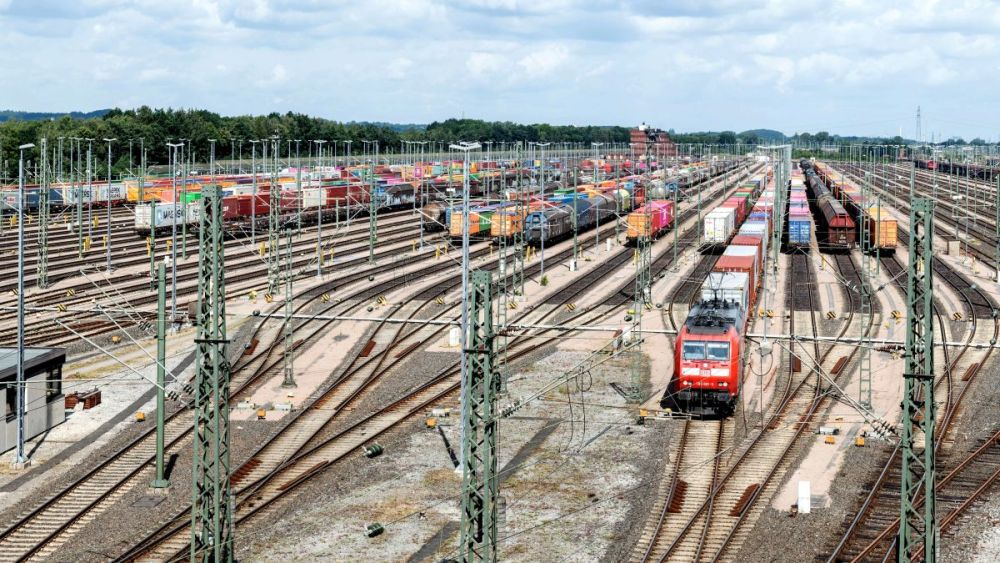
Freight operators report that diversionary routes are already operating close to capacity, particularly in Bavaria, and warn that further disruptions could trigger network-wide knock-on effects. Outside the main corridors, additional closures are affecting traffic around Dresden, on the Halle–Eichenberg east–west route and between Cologne and Trier.
Industry representatives have criticised DB InfraGO over late notification of works, incomplete implementation of agreed measures and repeated extensions of closure periods. The Lehrte–Berlin corridor refurbishment, initially planned as a five-and-a-half-month closure, is now scheduled to enter preparatory works from October 2026, extending the disruption by almost seven months.
The rail freight sector is calling on the federal government to intervene, arguing that construction planning requires stronger coordination at a higher level. Operators are also demanding better preparation of diversion routes, including inspections, maintenance and faster fault response, to reduce operational disruption.
Rail freight associations further argue that each project should be assessed to determine whether full or partial closures result in less disruption. They are also seeking federal compensation for additional personnel, energy and vehicle costs caused by extended diversionary routings, rather than these costs being borne by railway undertakings.