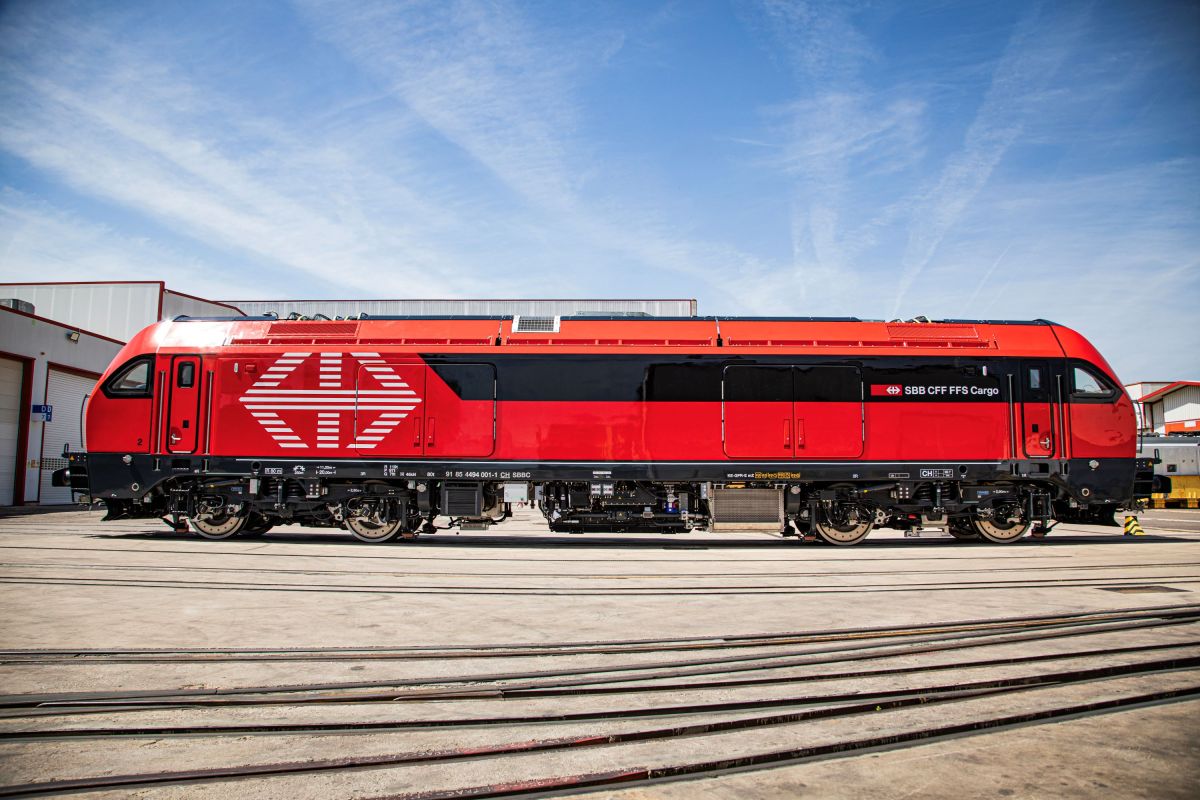
SBB Cargo is introducing changes to its single wagonload traffic as part of the Suisse Cargo Logistics concept.
In 2024, both single wagonload traffic and combined transport ran at a deficit. SBB reported a loss of CHF 76 million (about EUR 79.4 million) for the freight segment. Volumes in single wagonload traffic have fallen by around one‑third over the past ten years, despite a large rail network and comparatively low tariffs. Block train business remains financially viable.
From the timetable change for 2026/27 (13 December 2026), a new production model for single wagonload traffic will be introduced. Its objectives include simplifying and improving cost efficiency and robustness. The model is being worked out together with customers. Under the new setup, service points with low demand will be dropped from SBB Cargo Switzerland’s single wagonload traffic network. Those points are public infrastructure and will continue to be available for other operators or for use in combined and block train transport.
Based on current volume levels, SBB estimates that roughly 98 % of wagons currently in use can still be handled under the new network, even after the reduction in service points. Firm transport volumes will be set out in customer contracts being negotiated now, with more precise network configurations expected in early 2026.
Operational changes will affect staffing and infrastructure. SBB plans to align employee deployment and locomotive usage with revised transport demand. Depots will be reduced. Locomotive crew positions in Brig, Buchs SG, and Chiasso are among those under review, and shunting staff locations may also shift. The number of employees affected will be determined through consultation under the collective employment agreement (GAV) and in collaboration with social partners.
SBB states that while single wagonload traffic is not a public service obligation, it operates in a competitive freight market and must serve routes which are cost‑covering. The company warns of medium‑term shortages of skilled workers, largely because of upcoming retirements, and sees a need for flexibility in deployment of specialists.
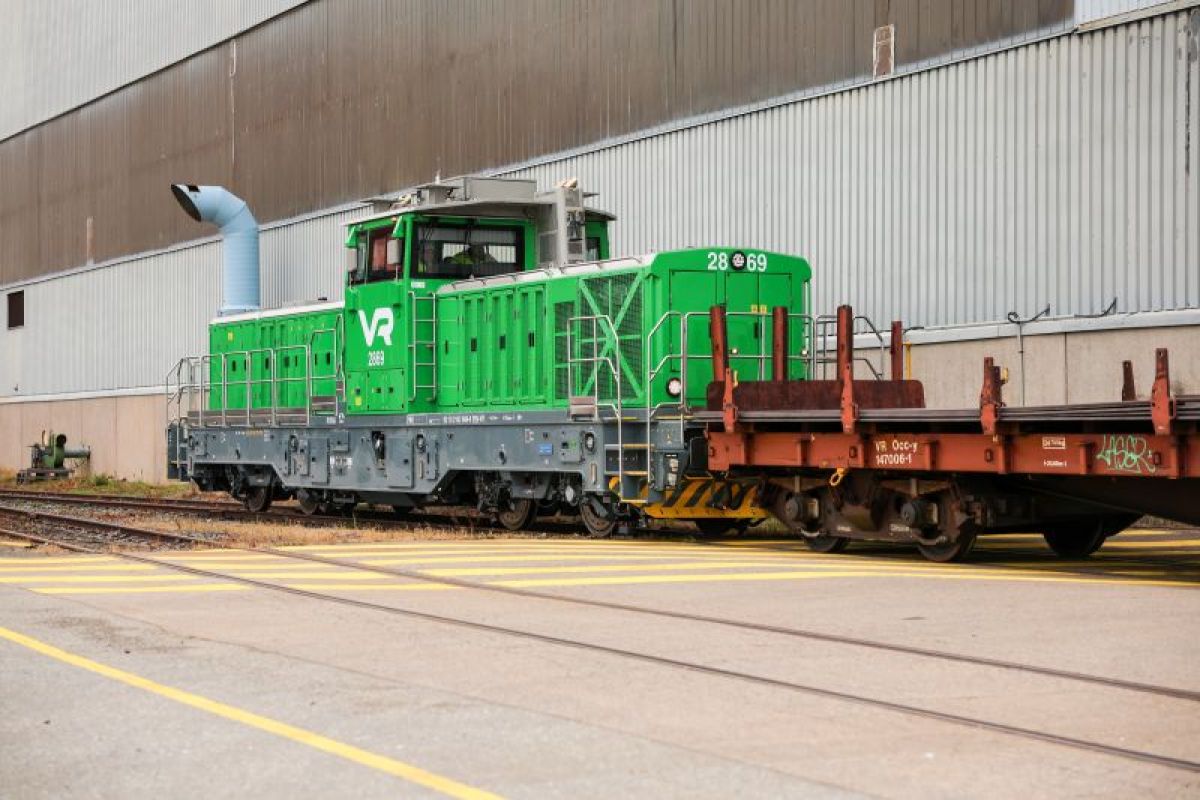
Single wagonload traffic involves collection of individual wagons from customer sidings or ramps, sorting in marshalling yards, and redistribution to destination sidings or ramps. Goods carried include palletised general cargo, consumer goods, and letters.